Global Trade Chaos Is Coming to Your Supermarket Shelf: What Every Dubai Resident Should Know
As geopolitical tensions reshape supply chains, everyday prices and product availability across the Emirates are about to feel the ripple effects.
As geopolitical tensions reshape supply chains, everyday prices and product availability across the Emirates are about to feel the ripple effects.
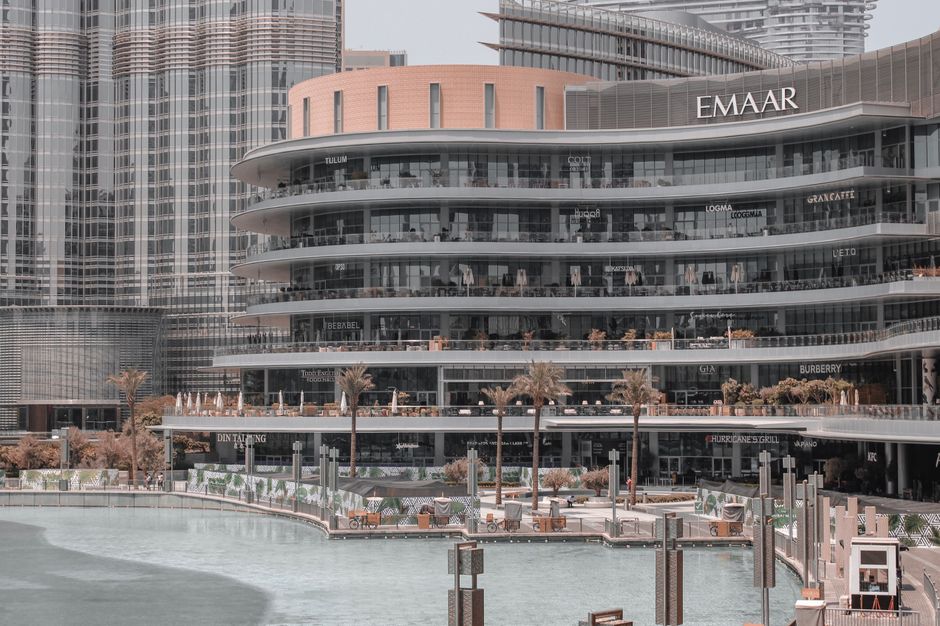
When you walk into Carrefour at The Dubai Mall or pick up groceries at Spinneys in Downtown Dubai, you're seeing the final chapter of a remarkably complex global story. But that story is changing fast, and understanding it matters to your wallet.
The world's supply chains—the invisible networks that get everything from Venezuelan cocoa to Japanese electronics into UAE stores—are under unprecedented strain. Geopolitical flashpoints in the Middle East, ongoing tensions between major powers, and economic uncertainty in key production regions are creating bottlenecks that eventually translate into higher prices and reduced choice for everyday consumers.
Consider what's happening right now. Shipping routes through critical waterways are increasingly risky or costly to navigate. Insurance premiums on goods passing through sensitive regions have jumped. When a container of electronics destined for Deira's wholesale markets faces rerouting, those costs don't disappear—they get passed along. Recent reports suggest shipping delays to the UAE have added 10-15 percent to logistics costs on certain goods, a burden retailers are beginning to shift toward consumers.
Fresh produce prices at farmers' markets in Satwa and Karama are already reflecting this reality. Supply disruptions from traditional sources mean retailers are sourcing from alternative—and often more expensive—providers. A kilogram of tomatoes that cost 4 dirhams two years ago might now run you 5.50.
The electronics sector, crucial to Dubai's retail landscape along Sheikh Zayed Road and in malls throughout Jumeirah, faces particular vulnerability. Manufacturing hubs in Asia are contending with their own regional uncertainties, creating longer lead times and higher wholesale prices.
What should residents understand? First, volatility is the new normal. Prices on imported goods—which dominate UAE retail—will fluctuate more unpredictably than before. Second, diversification is your friend. Local production initiatives and alternative sourcing help, but they take time to scale. Third, timing matters: bulk purchasing during stable periods can provide some buffer against sudden price spikes.
For businesses across the emirate, from small traders in Bur Dubai to large retail chains, the message is clearer: supply chain resilience is no longer a nice-to-have, it's essential. Companies investing in local sourcing, alternative logistics routes, and inventory buffers will weather this period better than those gambling on stability.
The global economy's interconnectedness means Dubai, for all its sophistication and resources, cannot insulate itself from external shocks. What you pay at checkout increasingly reflects decisions made thousands of kilometers away.
This article was compiled by AI from the sources linked above and screened before publishing. See our editorial standards.
How does this story make you feel?
Spread the word
About this article
Published by The Daily Dubai
Daily brief
Free, in your inbox before 7am. Weekdays.
More in Business