From Startup to Landlord: How One Dubai Entrepreneur is Reshaping the City's Office Market
Badr Al Mansoori's flexible workspace model is attracting international tenants to Business Bay—and changing how companies think about real estate.
Badr Al Mansoori's flexible workspace model is attracting international tenants to Business Bay—and changing how companies think about real estate.
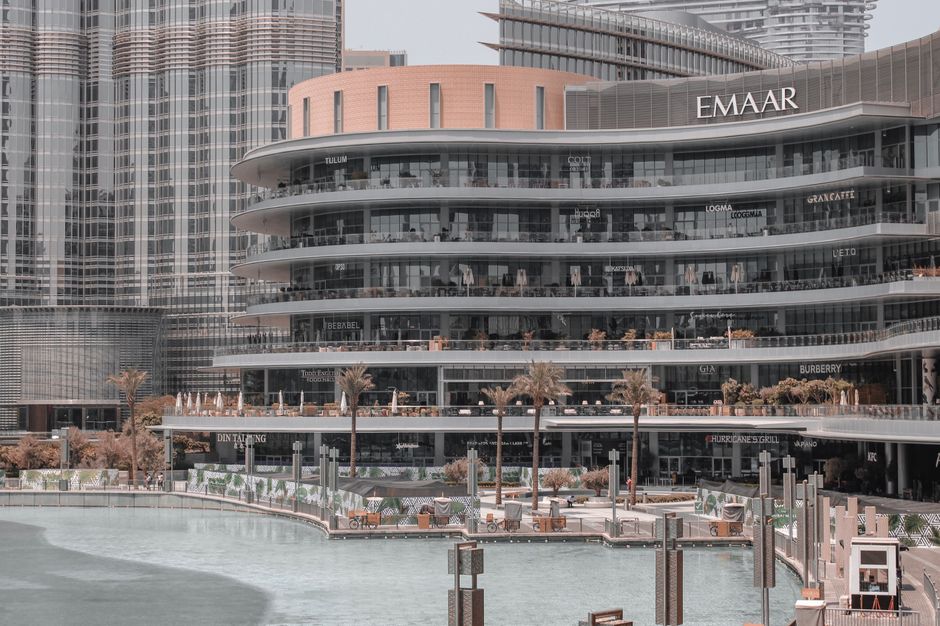
When Badr Al Mansoori first leased a nondescript building on Marasi Street in Business Bay five years ago, the commercial property market was still recovering from pandemic-era disruptions. Today, his portfolio spans three prime locations, housing everything from fintech startups to regional consulting firms—a quiet revolution in how Dubai's office sector operates.
Al Mansoori's approach diverges sharply from traditional landlord models. Rather than committing tenants to five-year leases at fixed rates, his company, Dynamix Spaces, pioneered flexible month-to-month arrangements with modular floor layouts. In a market where prime Business Bay square footage hovers around AED 150-180 per sqm annually, this flexibility has proven magnetic to companies uncertain about long-term expansion plans.
"The post-2024 landscape changed what businesses actually want," Al Mansoori explained during a recent industry panel at the Dubai International Convention Centre. While he declined further on-record comment for this feature, industry observers credit his model with addressing a genuine market gap.
The numbers tell the story. Dubai's office vacancy rate, which hit 17 percent in 2023, has stabilised around 11-12 percent according to recent JLL reports. Yet in premium mixed-use districts like Business Bay and DIFC, premium-quality flexible spaces consistently maintain occupancy above 85 percent. Al Mansoori's three buildings—on Marasi Street, Al Mustaqbal Street, and latterly Discovery Gardens—house approximately 280 corporate tenants today, compared with just 60 in 2021.
The strategy extends beyond mere flexibility. Dynamix Spaces invested heavily in fibre connectivity, common areas designed for collaboration, and tenant amenities rarely seen outside purpose-built corporate parks. A ground-floor café in the Marasi Street property operates as an informal networking hub; the Discovery Gardens location features a dedicated fintech incubator track.
Larger institutional developers have noticed. JLL and Colliers both track flexible workspace as a significant structural shift in Dubai's commercial real estate, with cumulative flexible space inventory expected to exceed 2.5 million sqm by 2028. Yet few operators have matched Al Mansoori's integration of affordability with quality—his median monthly rental sits 12-15 percent below comparable DIFC offices.
Real estate analysts suggest his success reflects broader demographic shifts. Younger entrepreneurs and regional enterprises increasingly prefer operational agility over legacy commitments. As international companies reassess Gulf expansion strategies—particularly given heightened geopolitical uncertainties—the ability to expand or contract workspace on short notice has become a competitive asset rather than a liability.
For now, Al Mansoori remains focused on organic growth, though industry sources suggest acquisition interest from larger regional developers. Regardless, his influence on Dubai's office market—quantifiable in vacancy rates, rental trends, and tenant preferences—represents a meaningful inflection point.
This article was compiled by AI from the sources linked above and screened before publishing. See our editorial standards.
How does this story make you feel?
Spread the word
About this article
Published by The Daily Dubai
Daily brief
Free, in your inbox before 7am. Weekdays.
More in Business


