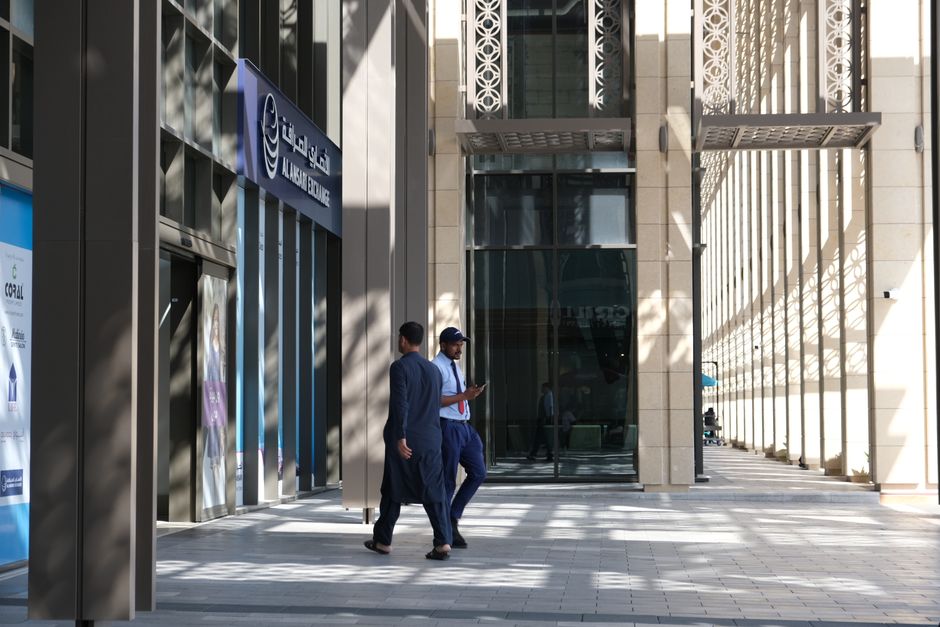
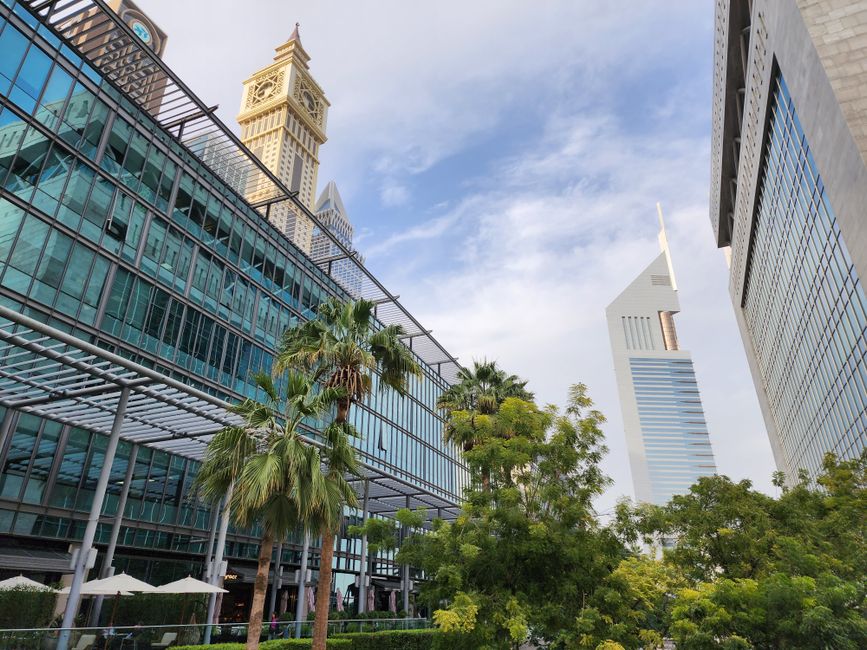
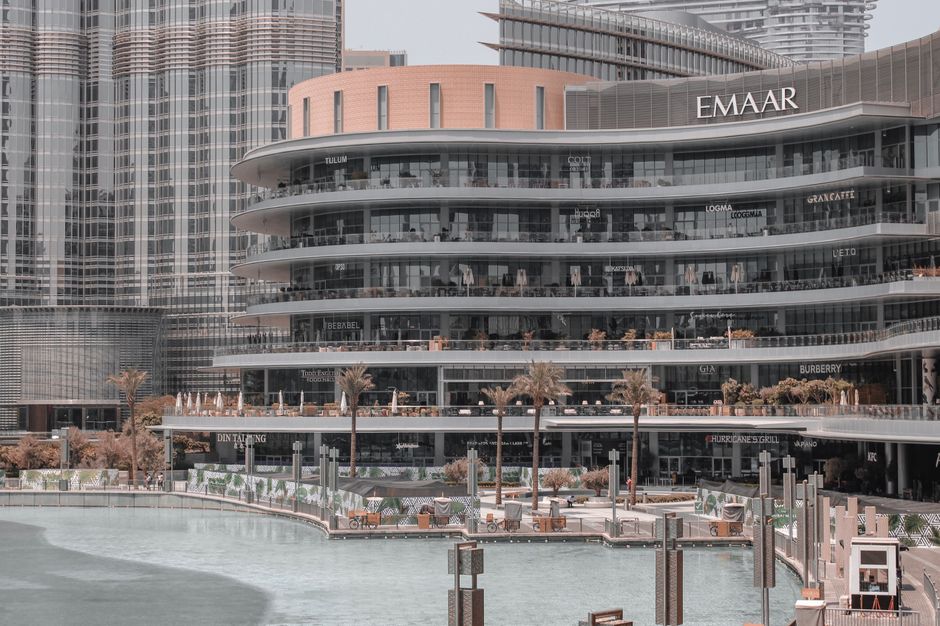
Walk through the gleaming corridors of the Dubai Chamber of Commerce and Industry in downtown Dubai, and you'll find a noticeable shift in mood. Where optimism once dominated quarterly briefings, cautious realism now prevails. International trade—the lifeblood that has fuelled Dubai's transformation into a $180 billion economy—is facing unprecedented headwinds in 2026.
The numbers tell a stark story. Container handling volumes at Port Rashid and Jebel Ali have plateaued, with June marking only a 2.3 per cent year-on-year increase, the slowest growth in four years. Meanwhile, air cargo traffic through Dubai International Airport remains 8 per cent below pre-2024 levels, reflecting a global retreat from cross-border commerce that's impossible to ignore.
Three interconnected crises are throttling the sector. First, escalating US-Iran tensions and the potential for fresh tariffs on critical goods have created paralysis among traders in the Al Manara and Al Baraha districts, where thousands of logistics operators typically orchestrate flows of electronics, textiles, and machinery across Asia, the Middle East, and Africa. Second, Pakistan's military operations against Afghanistan have disrupted traditional overland trade routes that funnel goods through the region. Third, geopolitical fragmentation has fractured supply chains that took decades to construct.
"We've never seen this convergence of risks simultaneously," explains the sentiment expressed informally across Deira's trading houses. Re-export businesses—once the cornerstone of Dubai's logistics prowess—are particularly vulnerable. The emirate's position as a neutral hub has long attracted traders seeking to avoid direct entanglement in geopolitical disputes. But with major powers increasingly demanding alignment rather than neutrality, that advantage has evaporated.
The commercial real estate market reflects the anxiety. Warehouse rental rates in Jebel Ali Free Zone have dipped 4 per cent since January, and several logistics operators have deferred expansion plans indefinitely. Companies that once signed five-year leases now opt for month-to-month arrangements.
Yet Dubai's institutional depth—its courts, banking infrastructure, and regulatory frameworks—continues to attract traders seeking stable ground. The Dubai World Trade Centre and surrounding business parks remain bustling, populated by companies placing calculated bets that the current turbulence will prove temporary.
The challenge ahead demands more than optimism. Dubai's traders will need strategic agility, diversified supply chains, and deeper integration with emerging markets less exposed to US-Iran brinkmanship. The golden age of frictionless global trade may have passed. Now begins the harder work of thriving within genuine constraints.
This article was compiled by AI from the sources linked above and screened before publishing. See our editorial standards.