Dubai's tourism sector generated approximately AED 108 billion in 2025, welcoming over 17 million visitors—a figure that continues climbing into 2026. For residents navigating daily life in neighbourhoods from Downtown to Jumeirah, this economic engine creates both opportunity and friction that deserves closer scrutiny.
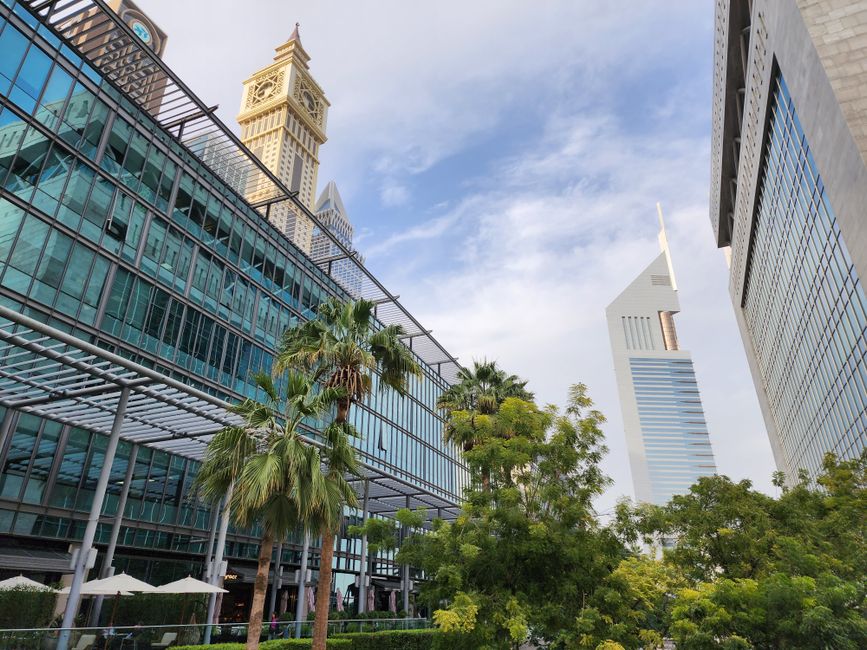
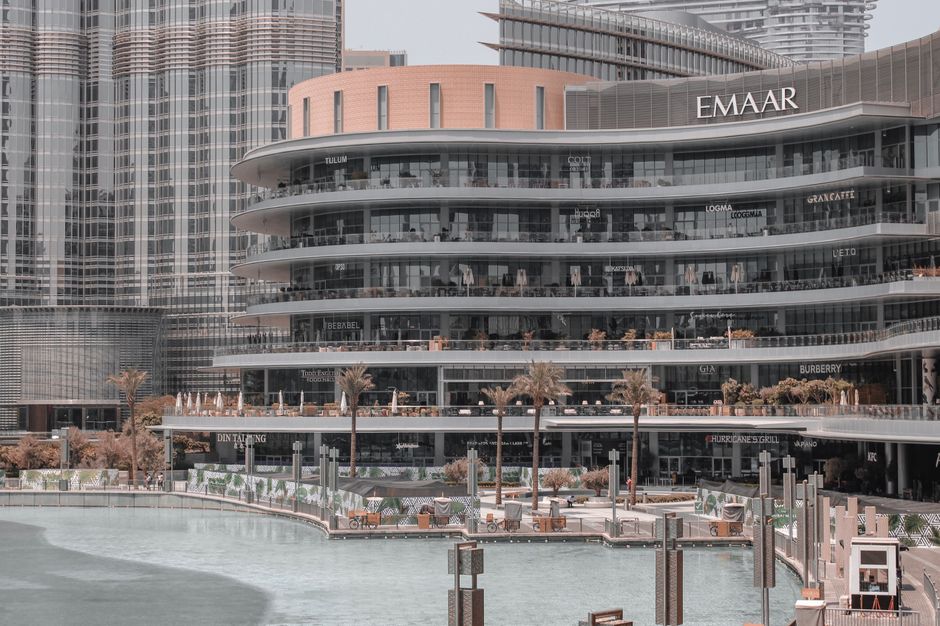
The most visible impact hits commuters during peak hours. Sheikh Zayed Road, Business Bay, and the approach to Palm Jumeirah experience measurable congestion spikes between November and March when tourism peaks. Residents planning meetings or school runs during these months often add 15–20 minutes to journey times. Yet this same influx supports thousands of jobs in hospitality, retail, and services across Dubai Mall, The Beach at JBR, and Gold Souk corridors where many residents also work or spend leisure time.
Property rental dynamics reveal a subtler reality. Tourism demand has pushed short-term rental platforms into residential compounds and apartment buildings—a shift that has fragmented community cohesion in traditionally stable neighbourhoods like Al Baraha and Bur Dubai while simultaneously offering homeowners alternative income streams. Average Airbnb nightly rates in Marina and Downtown Dubai now reach AED 350–600, compared to long-term rents averaging AED 3,500–5,000 monthly for comparable units.
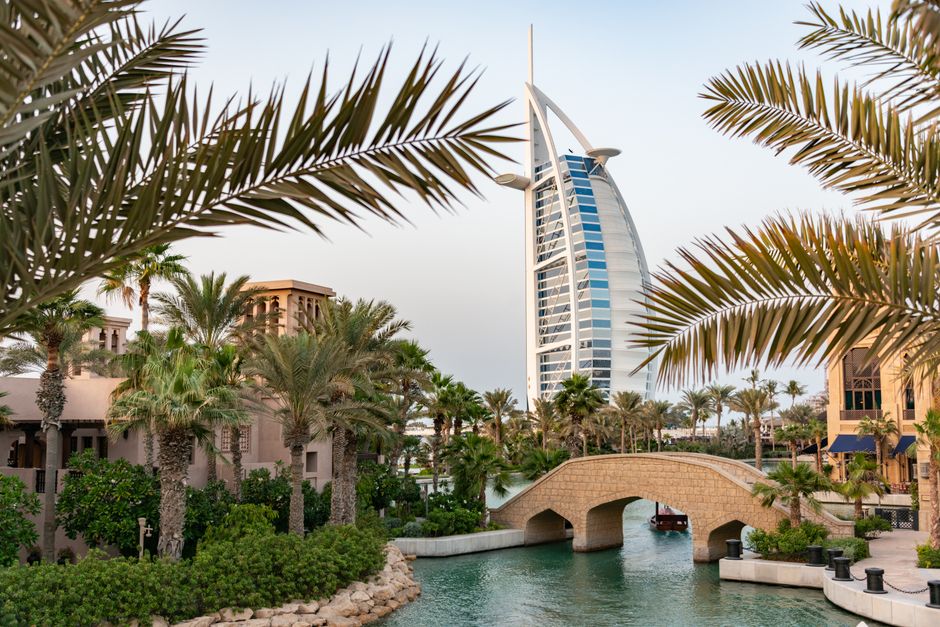
Retail and dining sectors have restructured around visitor expectations. High streets like Souk Madinat Jumeirah and The Pointe cater heavily toward tourists, with pricing and product selection that often exceed what local consumers prefer. Independent cafés and heritage restaurants in areas like Bastakiya have increasingly repositioned themselves as cultural attractions rather than neighbourhood gathering spaces. Residents seeking authentic local experiences often travel further into emerging areas like Ras Al Khaimah or Al Ain.
Infrastructure investment, however, genuinely benefits residents. Tourism revenue funds expanded metro lines, beach maintenance, and public safety—services residents depend on regardless of visitor numbers. The recent expansion of Dubai's emergency response systems and waste management directly correlates with visitor volume forecasting.
Understanding tourism's role matters because it shapes policy decisions affecting housing availability, traffic management, and neighbourhood character. Rather than viewing tourism as separate from resident life, recognising it as integral to Dubai's economic model—and thus to salary levels, service quality, and urban planning—helps residents make informed choices about where to live, work, and invest. The question isn't whether tourism should exist, but how residents and the industry can coexist more thoughtfully as both communities compete for shared space.
This article was compiled by AI from the sources linked above and screened before publishing. See our editorial standards.