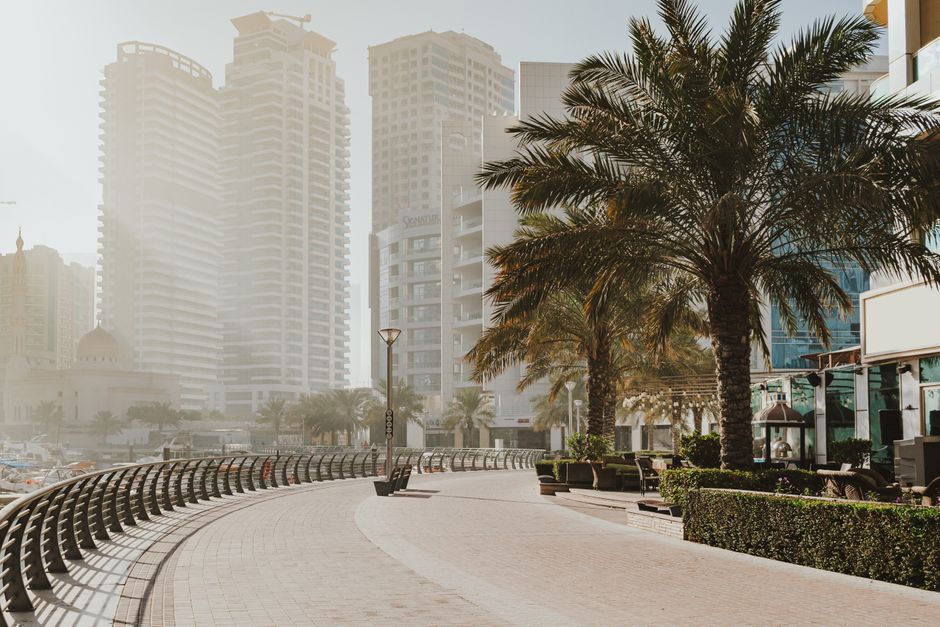
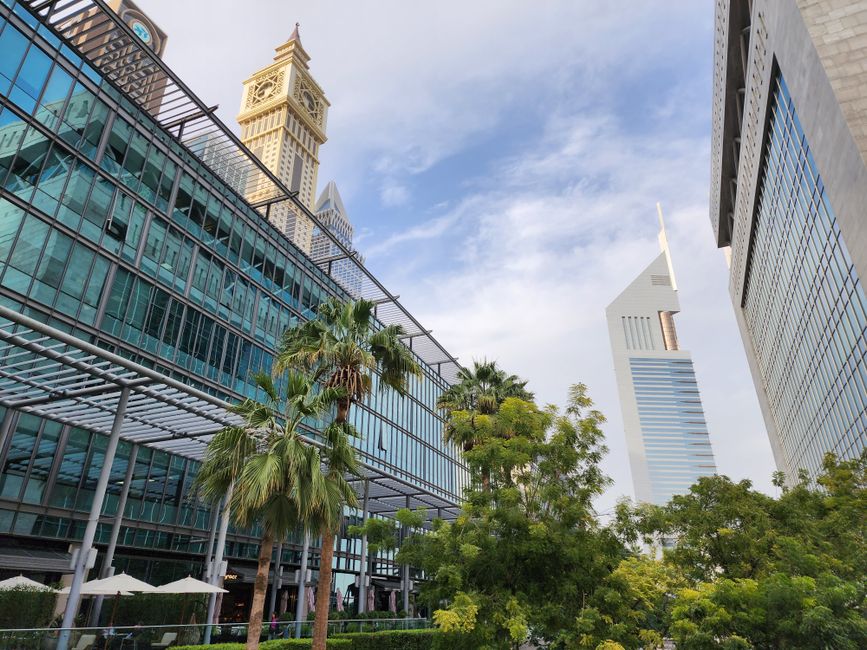
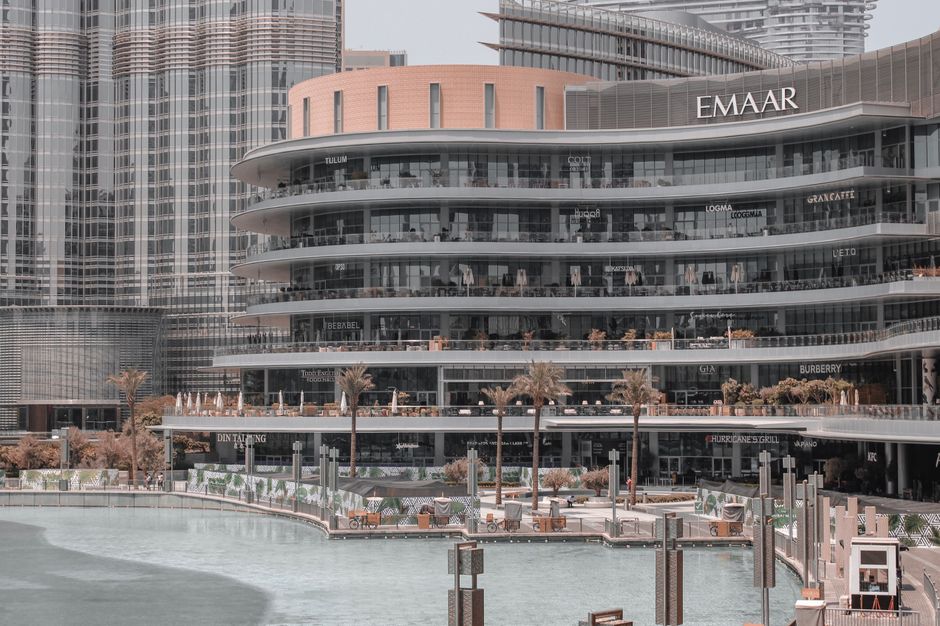
Walk through the gleaming towers of the Dubai International Financial Centre (DIFC) on any given morning, and you'll encounter traders, bankers, and fund managers absorbed in real-time data streams. But what signals matter most when geopolitical tensions reshape investment patterns? Understanding key economic indicators has become crucial for Dubai's business community navigating an increasingly fragmented world.
The fundamentals tell a complex story. Global foreign direct investment (FDI) flows have remained volatile through 2026, with capital seeking safer havens amid ongoing Middle East tensions and unpredictable policy shifts. Recent data shows that cross-border M&A activity declined roughly 12 percent year-on-year in the first half of 2026, reflecting investor caution. Yet selective sectors—particularly technology, renewable energy, and logistics—continue attracting attention.
For Dubai specifically, the numbers paint opportunity within uncertainty. The emirate's non-oil trade reached approximately AED 1.8 trillion in 2025, with re-export volumes showing resilience despite global headwinds. Major trading partners in South Asia and Africa remain committed to Dubai's ports and free zones, particularly Jebel Ali Port and the Jebel Ali Free Zone, which together handle over 14 million TEUs annually.
What should investors watch? Three key indicators matter. First, currency volatility: the US dollar's strength relative to emerging-market currencies affects which regions find Dubai's services attractive. Second, commodity prices—oil, gold, and copper movements reshape appetite for financial hedging services clustered around Gate Avenue in the DIFC. Third, shipping indices reflecting global trade volumes; the Baltic Dry Index and container rate benchmarks signal whether goods are actually moving through regional hubs.
The business community in Downtown Dubai and along Sheikh Zayed Road is adapting. Some firms have expanded their risk management operations, while others have diversified client bases to reduce exposure to any single region. The reopening of talks between major powers—referenced across trading floors—has created tactical optimism without fundamentally shifting longer-term caution.
Investment flows ultimately follow confidence. While geopolitical risk remains elevated, Dubai's infrastructure, regulatory framework, and strategic location mean the emirate typically captures a portion of whatever capital does move regionally. Smart investors here aren't betting on immediate resolution of global tensions. Instead, they're positioning for the next phase: wherever capital shifts next, Dubai's institutions are ready to facilitate the transaction.
This article was compiled by AI from the sources linked above and screened before publishing. See our editorial standards.