Dubai's Tourism Rebound: Reading the Economic Signals Behind Record Visitor Numbers
As hotel occupancy surges and real estate investment flows accelerate, here's what the numbers reveal about the emirate's travel economy.
As hotel occupancy surges and real estate investment flows accelerate, here's what the numbers reveal about the emirate's travel economy.
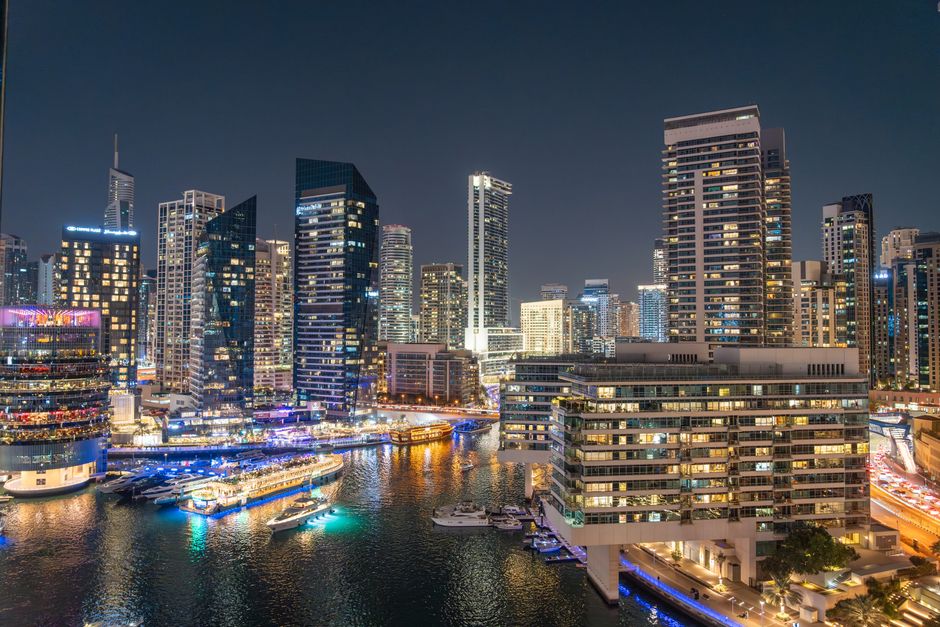
Dubai's tourism sector is sending unmistakable signals of robust economic health. The first half of 2026 has delivered visitor numbers that shed light on broader investment trends reshaping the city's hospitality landscape and commercial corridors.
International visitor arrivals to Dubai exceeded 8.2 million in the past twelve months, according to preliminary tourism authority data, representing a 12 percent year-on-year increase. This uptick translates directly into occupancy rates at major hotel clusters around Sheikh Zayed Road and the Downtown Dubai area reaching 78 percent—a threshold rarely sustained outside peak seasons. Average daily room rates have climbed to approximately 650 AED across four- and five-star properties, up from 580 AED in the same period last year.
The economic indicator that matters most to investors is where capital is flowing. Construction cranes now dot the skyline above the Dubai Marina and Business Bay precincts, where hospitality-linked developments worth an estimated 18 billion AED are underway. Luxury hotel chains, particularly those targeting the leisure and corporate wellness segments, are committing long-term capital. Three major international brands announced expansions along the Palm Jumeirah corridor in recent months, betting on sustained demand from affluent visitors seeking premium experiences.
Real estate transactions tied to tourism infrastructure tell another story. Commercial property sales in high-traffic zones near the Dubai Mall and along the Beach Road have appreciated 8 percent annually, signalling confidence among institutional investors that visitor spending will remain resilient. Retail leasing rates in these districts have firmed at 200–250 AED per square metre annually, up from 185 AED two years ago.
What explains this momentum? Regional stability concerns that pushed leisure travel toward safer destinations like the UAE have benefited Dubai. Simultaneously, corporate travel has rebounded sharply post-pandemic, with conference attendance at venues like the Dubai World Trade Centre reaching pre-2019 levels. The Emirates' visa-on-arrival policy changes in 2024 reduced friction for key source markets in Asia and Europe.
For business observers, these indicators matter because tourism revenue directly funds infrastructure spending and tax revenues that support other sectors. Tourist spending generated approximately 42 billion AED in direct tourism receipts last year—equivalent to roughly 6 percent of Dubai's nominal GDP.
The practical takeaway: when hotel occupancy climbs, construction budgets expand, and retail leasing rates firm, it signals that investors believe the visitor economy will sustain growth. Dubai's current trajectory suggests that confidence remains justified, at least through the near term.
This article was compiled by AI from the sources linked above and screened before publishing. See our editorial standards.
How does this story make you feel?
Spread the word
About this article
Published by The Daily Dubai
Daily brief
Free, in your inbox before 7am. Weekdays.
More in Business


