Dubai's commercial property landscape is undergoing a quiet recalibration that rewards those paying attention. After years of sustained high rents, the office market is experiencing measurable softening—and opportunity-focused businesses are already repositioning themselves to capitalise on the shift.
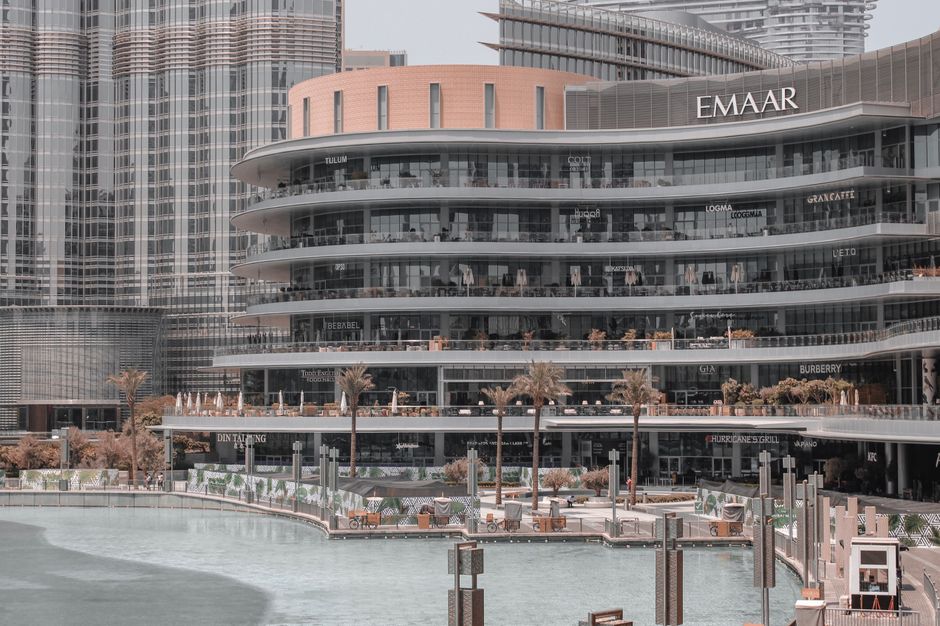
Class A office space in Downtown Dubai, traditionally the emirate's most sought-after corridor, has seen asking rents drift downward by approximately 8-12% over the past eighteen months. Business Bay, the sprawling financial district south of the creek, tells a similar story: landlords who held firm at AED 180-220 per square metre annually are now accepting AED 150-180 as occupancy rates stabilise around 85-90%. These aren't dramatic collapses, but in Dubai's property market, they represent meaningful negotiating power for tenants willing to commit to mid-to-long-term leases.
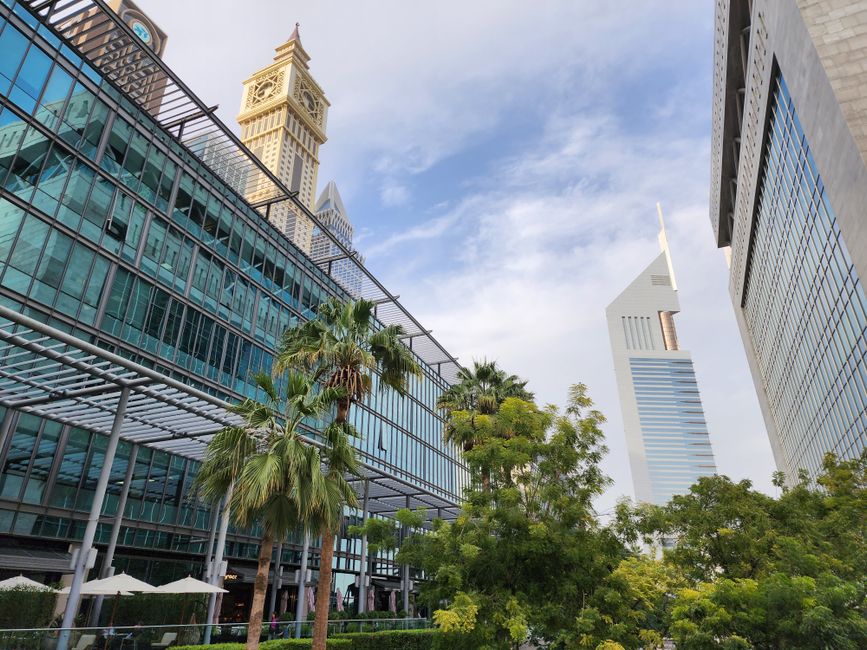
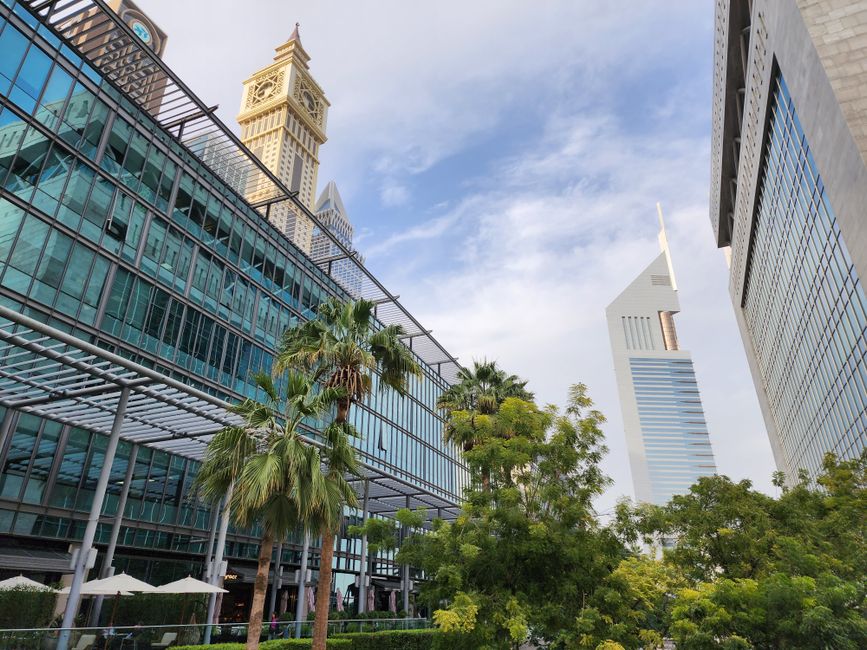
The winners emerging from this repricing are commercial agents and developers who expanded into secondary zones before sentiment shifted. Properties in DIFC—the Dubai International Financial Centre—continue commanding premium positioning, but operators securing space in Jumeirah Lake Towers and the Deira waterfront projects are locking in tenants at more reasonable entry points. Regional accounting firms, logistics operators, and consulting practices are treating these pockets as genuine alternatives rather than fallback options.
A particularly intriguing dynamic is unfolding in Dubai Silicon Oasis. Originally positioned as a tech and innovation hub, the precinct is attracting mid-market professional services firms—legal departments, HR consultancies, shared service centres—drawn by lower rents and reasonable transport links. Landlords here are reporting improved inquiry levels from operators based in costlier emirates seeking Dubai footholds without Downtown Dubai's premium positioning.
International firms entering the Gulf region are also shifting strategies. Rather than defaulting to DIFC's prestigious but expensive towers, some are now evaluating mixed-use developments offering flexibility and integrated amenities. This rebalancing benefits operators controlling portfolios across multiple neighbourhoods rather than concentrated bets on single corridors.
The underlying drivers remain stable: Abu Dhabi's continued diversification efforts, steady corporate activity, and sustained regional headquarters migration toward Dubai. But the window for negotiating favorable terms—both for incoming tenants and landlords willing to fill vacancy rather than hold out for historical rents—is distinctly open. Market observers suggest this dynamic will likely persist through 2027 before potential re-tightening, depending on broader regional economic momentum and external geopolitical factors.
For Dubai's commercial property ecosystem, the shift represents normalisation rather than crisis. But for astute market participants, it's created precisely the kind of dislocation that rewards decisive action.
This article was compiled by AI from the sources linked above and screened before publishing. See our editorial standards.