Dubai's Innovation Districts Are Rewriting the Rules for Talent and Employment
As tech hubs multiply across the emirate, traditional career paths are dissolving—and employers are scrambling to compete for a shrinking pool of skilled workers.
As tech hubs multiply across the emirate, traditional career paths are dissolving—and employers are scrambling to compete for a shrinking pool of skilled workers.
Dubai's startup ecosystem has undergone a seismic shift in the past eighteen months, and the ripples are reshaping how the city recruits, retains, and compensates its talent. What was once a niche sector dominated by a handful of entrepreneurs now sprawls across multiple innovation districts, each competing fiercely for the same critical mass of engineers, designers, and product managers.
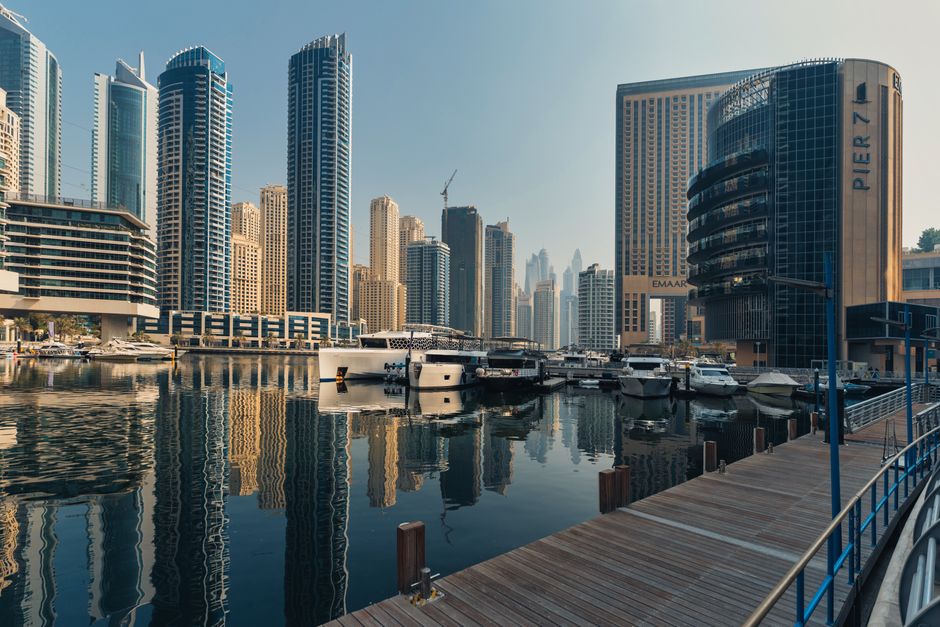
The expansion is visible in the geography. Beyond the established presence in Dubai Silicon Oasis and the thriving fintech corridor along Sheikh Zayed Road, new innovation clusters have taken root in less conventional neighbourhoods. Spaces like The Leap in Dubai Marina and the emerging tech quarter near Jebel Ali Port are attracting venture-backed startups at an accelerating pace. Real estate data from the first half of 2026 shows co-working spaces and dedicated startup hubs now command premium rents—sometimes exceeding 250 dirhams per square metre monthly in high-demand zones.
This proliferation has created acute talent competition. Recruitment specialists report that mid-level software engineers and data scientists in Dubai's startup ecosystem now command salaries 30-40 per cent higher than comparable roles in traditional corporate settings. A senior product manager at an early-stage venture can expect annual compensation packages pushing 400,000 dirhams or more, plus equity incentives that were virtually unheard of in local hiring practices five years ago.
The shift is particularly pronounced among fresh graduates and early-career professionals. The appeal of equity upside, flexible working arrangements, and the entrepreneurial culture has drained talent from established firms. Several multinational corporations with significant operations in the Emirates have quietly adjusted their retention strategies, introducing stock options and sabbatical policies borrowed directly from startup playbooks.
Yet this talent war carries consequences. Training and development budgets are shrinking across traditional sectors as companies defend against poaching. Meanwhile, startups themselves face burn-rate pressures—burning through funding faster than anticipated in their bid to secure top talent before competitors do. Venture capital investors have begun flagging salary inflation as a material risk factor in their investment theses.
The human resources profession in Dubai is adapting too. Executive search firms now maintain specialised divisions for early-stage venture hiring, and executive coaching has become a linchpin service for founders navigating rapid scaling. Universities and training institutes, sensing demand, have accelerated tech curriculum development, though many observers argue supply still lags significantly behind the market's appetite.
As Dubai positions itself as a global innovation hub, the local job market is the canary in the coal mine—reflecting a fundamental restructuring of how work, risk, and reward are distributed across the emirate's economy.
This article was compiled by AI from the sources linked above and screened before publishing. See our editorial standards.
How does this story make you feel?
Spread the word
About this article
Published by The Daily Dubai
Daily brief
Free, in your inbox before 7am. Weekdays.
More in Business