Dubai's Office Market Faces Headwinds as Vacancy Rates and Cost Pressures Mount
Rising operating costs, hybrid work trends, and regional economic uncertainty are testing commercial property landlords and tenants across Business Bay and beyond.
Rising operating costs, hybrid work trends, and regional economic uncertainty are testing commercial property landlords and tenants across Business Bay and beyond.
Dubai's commercial property sector is navigating a challenging landscape in 2026, with office vacancy rates hovering near 15% across prime locations and landlords grappling with mounting pressure to offer competitive rental terms. What was once a seller's market has shifted decisively, creating significant headwinds for investors and occupiers alike.
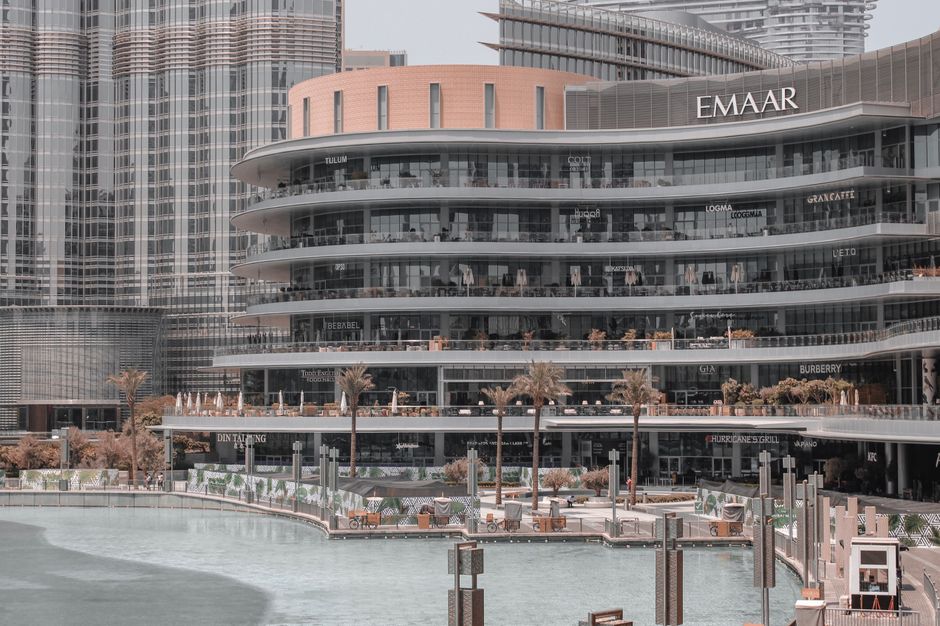
The softening is most visible in Business Bay and Downtown Dubai, traditionally the emirate's most sought-after office hubs. Asking rents for Grade A space have plateaued at around AED 180-220 per square foot annually, representing minimal growth from 2024 levels, while concessions—including rent-free periods and tenant improvement allowances—have become industry standard. Landlords previously accustomed to rapid appreciation are now competing fiercely for corporate tenants.
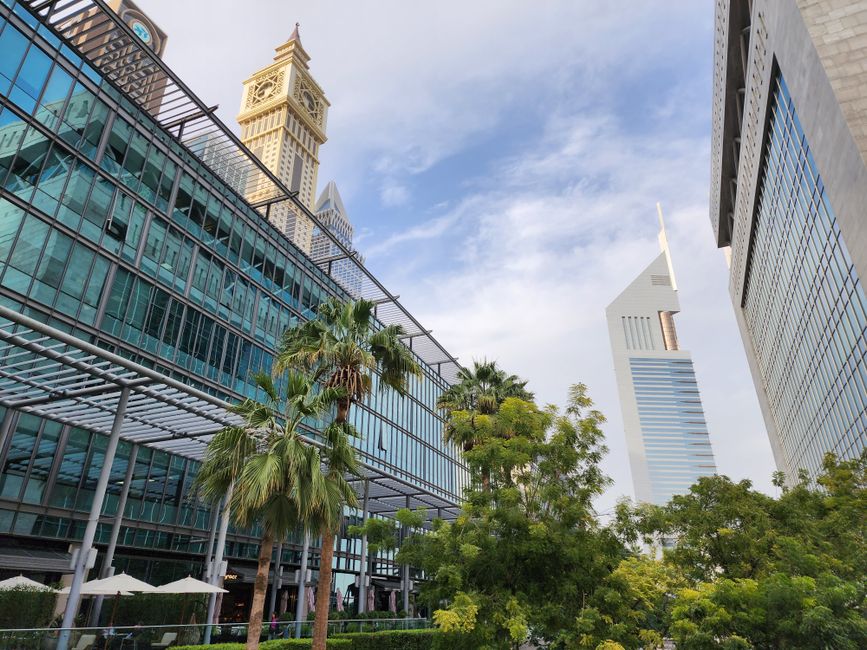
Several structural headwinds are driving this correction. First, the post-pandemic acceleration of hybrid work arrangements has permanently reduced office space requirements for many multinational firms. Technology companies and financial services institutions occupying towers along Sheikh Zayed Road are consolidating footprints, with some reducing their committed square footage by 20-30%. This shift has created a cascading effect throughout the market, particularly affecting secondary and tertiary office buildings.
Rising operational costs compound these challenges. Chiller charges, maintenance fees, and common area expenses have increased substantially, with some landlords passing through 10-15% year-on-year increases to tenants. For businesses already managing tighter margins amid global economic headwinds, these additional costs are forcing difficult occupancy decisions.
Regional geopolitical uncertainty also weighs on sentiment. Companies evaluating their Middle East expansion strategies are adopting a more cautious stance, delaying office leasing commitments and requesting shorter lease terms to maintain flexibility. This has particularly impacted newer developments in emerging clusters like Dubai Silicon Oasis, where absorption rates remain sluggish despite aggressive marketing.
Supply-side pressures add another layer of complexity. Several mixed-use developments with substantial office components are reaching completion, including projects in Jumeirah Lake Towers and along the Dubai Creek Harbour waterfront. While these modern spaces offer contemporary amenities and sustainability credentials, they've intensified competition and put downward pressure on legacy stock throughout the emirate.
Industry observers note that landlords offering value-added services—flexible lease structures, integrated technology infrastructure, and premium wellness amenities—are faring better than those maintaining traditional commercial models. The clear winners are tenants with flexibility and capital; they're leveraging favorable conditions to secure premium locations at accessible price points.
For the remainder of 2026, market analysts expect further consolidation, with rents likely to decline an additional 5-8% in secondary markets. Recovery, most agree, hinges on renewed corporate confidence and economic stimulus measures that encourage expansion rather than contraction.
This article was compiled by AI from the sources linked above and screened before publishing. See our editorial standards.
How does this story make you feel?
Spread the word
About this article
Published by The Daily Dubai
Daily brief
Free, in your inbox before 7am. Weekdays.
More in Business