Dubai's small business ecosystem is experiencing a pivotal moment. With over 600,000 registered SMEs now operating across the emirate, entrepreneurs face a complex landscape shaped by rapid economic shifts, changing consumer preferences, and evolving regulatory frameworks that demand immediate attention.
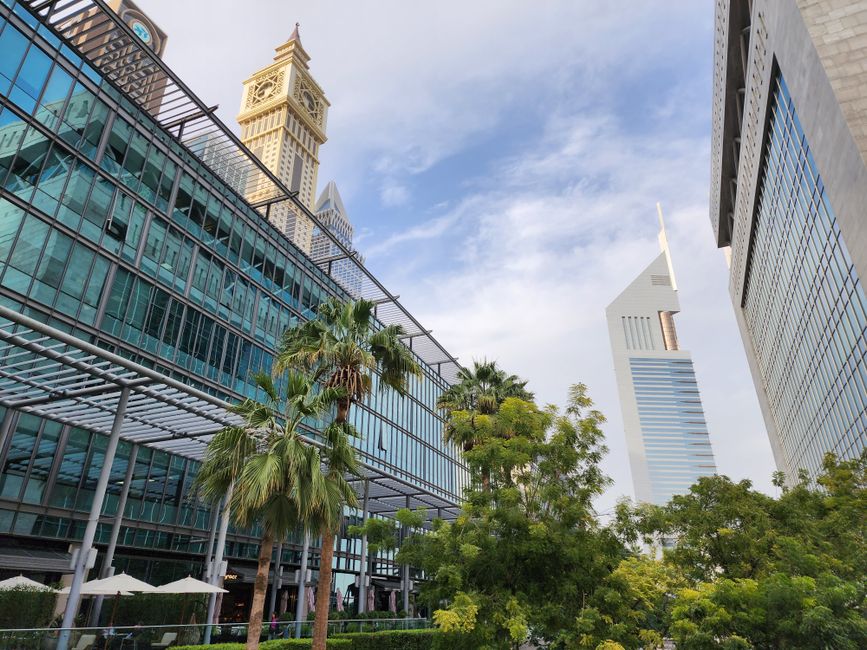
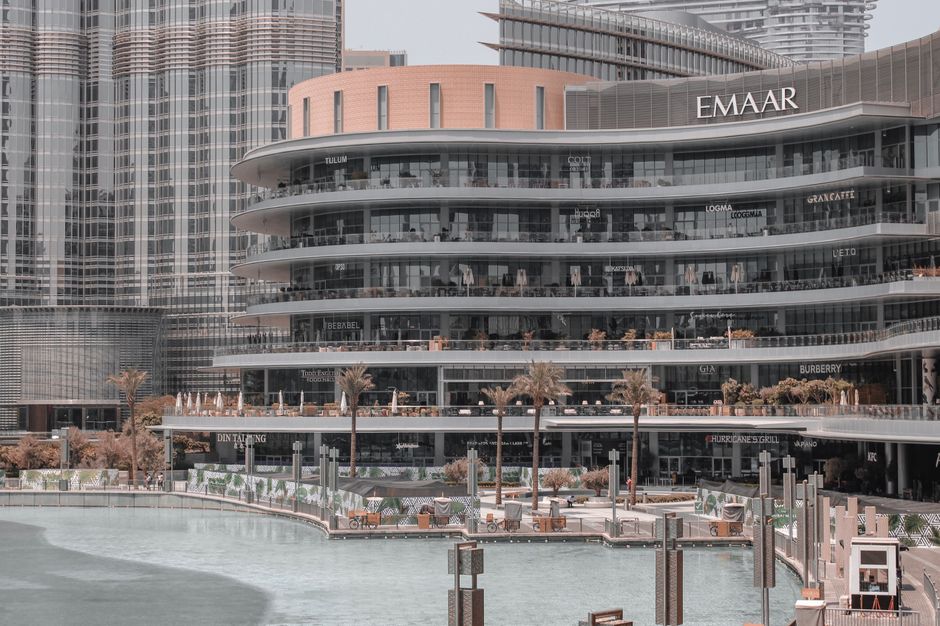
The first critical trend is digital transformation acceleration. Businesses operating in Business Bay and Downtown Dubai report that customers increasingly expect omnichannel experiences. Traditional retail-only models are struggling; those integrating e-commerce and mobile-first strategies are capturing market share faster. The average cost of establishing a robust digital presence—websites, inventory systems, and social media management—now runs between AED 15,000 and AED 50,000 annually, a significant investment for bootstrapped ventures.
Secondly, operational costs continue rising. Commercial rents in secondary business hubs like International City and Jebel Ali remain more affordable than prime locations, but utility costs and labour expenses have climbed 12-15% over the past 18 months. Smart entrepreneurs are renegotiating supplier contracts and exploring shared workspace models to offset margins.
The hospitality and F&B sector deserves particular focus. Post-pandemic, consumer behaviour has shifted decisively toward experiential dining and health-conscious offerings. Food courts in Ibn Battuta Mall and independent venues in Al Quoz industrial district are thriving, while generic quick-service concepts struggle. Market data suggests that restaurants incorporating sustainable practices and local ingredients command 18-22% higher average bills.
Tourism-adjacent services represent an often-overlooked opportunity. With visitor numbers approaching pre-pandemic levels, demand for boutique tour operators, niche wellness services, and curated experience providers is outpacing supply. Several successful startups have launched from co-working spaces in Deira, positioning themselves as alternatives to mass-market operators.
Finally, regulatory clarity around licensing and compliance has improved significantly. The Department of Economy and Tourism's streamlined business registration process now takes 48 hours for standard setups. However, entrepreneurs must stay informed about sector-specific requirements—particularly in food safety, tourism accreditation, and financial services—where non-compliance carries substantial penalties.
The broader message is clear: success in today's Dubai market demands agility. Businesses must invest in digital capabilities, maintain tight cost discipline, stay attuned to consumer preferences, and navigate regulations proactively. For entrepreneurs willing to adapt, the opportunities remain substantial—but the window for traditional, inflexible business models is rapidly closing.
This article was compiled by AI from the sources linked above and screened before publishing. See our editorial standards.