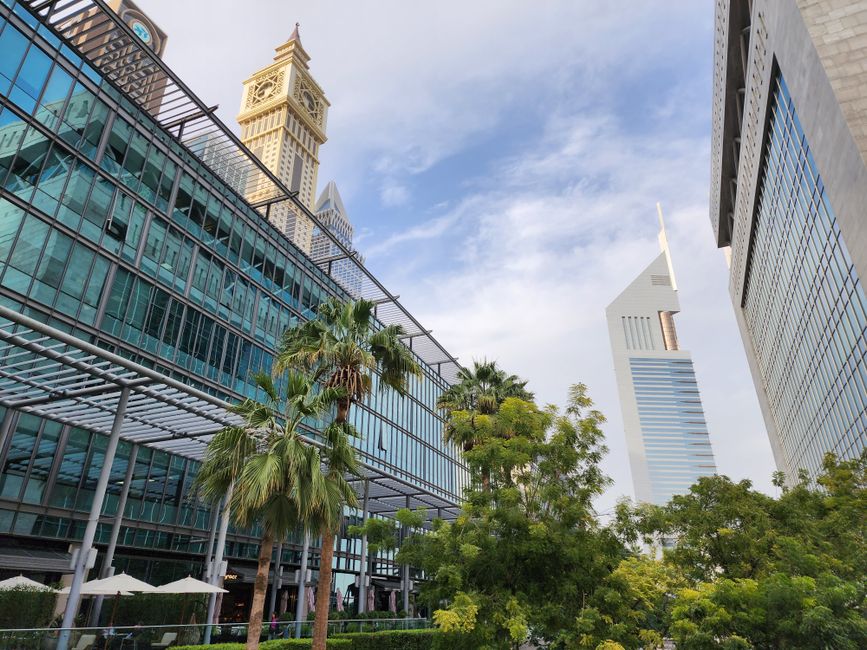
The gleaming office towers of the Dubai International Financial Centre and the sprawling corporate parks around Business Bay are experiencing a fundamental transformation. What began as a pandemic-era experiment has solidified into a structural shift in how Dubai's labour market operates, forcing both employers and job seekers to rethink their strategies entirely.
According to recruitment firms operating across the emirate, remote and hybrid work arrangements have become non-negotiable for approximately 65 per cent of talent seeking mid-to-senior level positions in technology, finance, and creative sectors. This represents a seismic change from just three years ago, when flexible working was largely confined to multinational corporations with global operations.
The implications are significant. Companies traditionally headquartered in Marina and Downtown Dubai now compete directly with tech hubs in Singapore, London, and San Francisco for the same talent pool. A senior software engineer in Dubai can now legitimately consider roles based in Abu Dhabi or even further afield without relocating—fundamentally altering the geographic constraints that once defined the local job market.
Real estate professionals have noticed the ripple effects. Premium apartment rentals in areas like Jumeirah and The Hills remain robust, but the urgency to live within a 15-minute commute of Business Bay has evaporated. This is opening opportunities in emerging residential zones like Dubailand and Arabian Ranches, where younger professionals are establishing roots.
Salary expectations have also shifted. Employers report that candidates are less willing to accept premium Dubai salaries as compensation for rigid office schedules. Instead, they're pricing in lifestyle flexibility—sometimes accepting more modest remuneration in exchange for three or four days in the office. This is particularly pronounced among expat workers who increasingly view Dubai as a base rather than a permanent anchor.
The recruitment industry itself is evolving rapidly. Traditional staffing agencies along Sheikh Zayed Road are being challenged by remote-first platforms and global talent networks. Dubai's own tech ecosystem—from the Dubai Silicon Oasis to the emerging venture capital scene in Downtown—is responding by emphasising culture and purpose over mere location prestige.
For employers, the challenge is acute. Retaining experienced staff now requires demonstrating genuine trust in distributed teams and offering purpose-driven work. Companies that cling to pre-pandemic office mandates are finding their talent pipelines drying up.
This reshaping carries broader implications for Dubai's diversification strategy. By embracing flexible work, the emirate positions itself not as a destination where talent must physically relocate, but as a hub where global workers can choose to base themselves while remaining connected to international opportunities. Whether this deepens Dubai's economic resilience or merely accelerates the departure of committed professionals remains the central tension in this evolving market.
This article was compiled by AI from the sources linked above and screened before publishing. See our editorial standards.