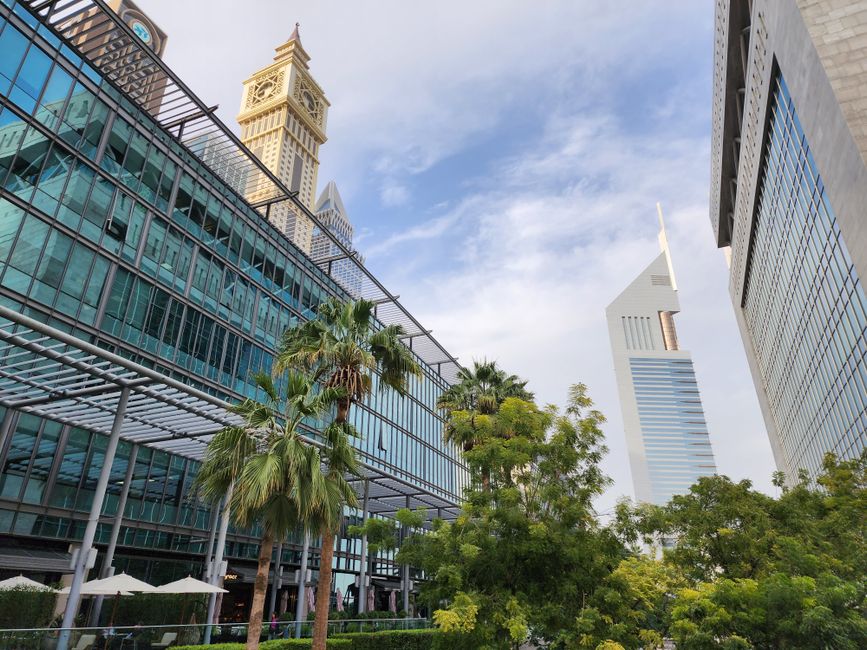
The gleaming corridors of Dubai Silicon Oasis—once buzzing with the optimism of scale-up ambitions and unicorn dreams—tell a different story in 2026. Behind the polished glass facades along E11 and scattered across Innovation Hub spaces in Jumeirah Lake Towers, founders are confronting a sobering reality: venture capital is drying up, talent is fleeing, and the easy money era has decisively ended.
The numbers paint a stark picture. Funding rounds across the UAE have contracted by nearly 35 percent compared to 2024, according to data from regional investment trackers. Mid-stage startups that once closed Series A rounds of $5-10 million within months now navigate extended pitch cycles stretching to nine months or longer. "The investor appetite has fundamentally shifted," explains the general sentiment across co-working spaces from Astrolabs in Downtown Dubai to the emerging hubs clustering around Business Bay.
Perhaps more troubling is the exodus of technical talent. Premium salaries that Dubai startups offered—often 20-30 percent above regional peers—have become unsustainable as burn rates climb against shrinking fundraising windows. Software engineers and product managers are increasingly eyeing opportunities in Singapore, London, and North America, where established tech ecosystems offer clearer exit pathways and deeper talent pools. Recruitment agencies report foreign expert departures are running at their highest rate since 2021.
Real estate headaches compound the crisis. Office space in DIFC and Sheikh Zayed Road commands premium rates averaging AED 180-250 per square metre annually—among the world's highest for tech hubs. For bootstrapped founders or companies in runway-extension mode, relocating to cheaper neighbourhoods outside established innovation zones means sacrificing proximity to investors, corporate partnerships, and the intangible ecosystem benefits that made Dubai attractive in the first place.
The regulatory environment, while generally supportive, has tightened around compliance requirements. Fintech startups particularly struggle with enhanced scrutiny from the Central Bank and UAE Securities and Commodities Authority—essential for credibility but expensive and time-consuming for resource-constrained teams.
Despite these headwinds, the ecosystem shows resilience. Government initiatives like the Dubai Start-up Hub's accelerator programs and grants continue attracting founders, while anchor corporations increasingly partner with startups to pilot innovations. Real estate developers are experimenting with lower-cost innovation spaces in emerging areas like Expo City, potentially reshaping the geographic footprint of entrepreneurship in the emirate.
The challenge ahead isn't whether Dubai's startup dream survives—it will. Rather, the question is whether the ecosystem can mature beyond hype-fuelled exuberance toward sustainable, profitable growth. For entrepreneurs willing to weather this storm, opportunity remains. For those chasing last year's euphoria, the reckoning is well underway.
This article was compiled by AI from the sources linked above and screened before publishing. See our editorial standards.