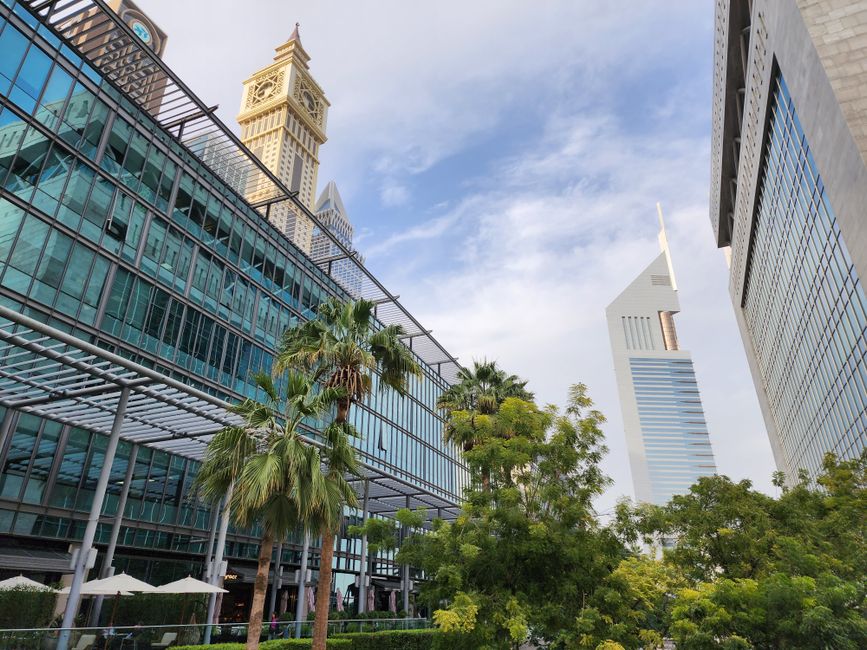
Walking through the gleaming office towers of DIFC, it's easy to forget that Dubai's most disruptive financial innovations aren't always born in the glossy business district. Nestled in a refurbished warehouse space in Al Quoz, a relatively modest neighbourhood south of the Sheikh Zayed Road corridor, a small but ambitious fintech venture is quietly challenging how UAE residents approach savings and investment—at a time when household budgets are under increasing strain.
The platform, which launched in early 2024, has grown to serve over 18,000 users, with assets under management reaching 340 million dirhams. For a region where traditional banking products have historically catered to high-net-worth individuals, the startup's focus on micro-investment products—allowing users to start with as little as 500 dirhams—represents a significant shift. Given that housing costs in popular residential areas like Dubai Marina and Downtown Dubai now consume upwards of 35-40 percent of middle-income household budgets, such accessibility matters.
The founding team identified a critical gap: while Dubai's expat population and Emirati nationals possess considerable disposable income, most lacked accessible, transparent pathways to diversify beyond traditional savings accounts offering modest returns. Average rental prices for a one-bedroom apartment in Jumeirah have climbed to approximately 5,500 dirhams monthly, squeezing the capacity for conventional investment.
What distinguishes this operation is its hyperlocal approach. Rather than targeting investors across the entire GCC region immediately, the founders built relationships with community centers, corporate HR departments, and educational institutions across Dubai—from Bur Dubai to Business Bay. They've partnered with employers to offer financial literacy workshops, recognizing that investment education remains patchy across many demographics.
The revenue model sidesteps predatory fee structures common elsewhere. Instead of charging percentage-based management fees that disproportionately penalize smaller investors, the platform generates income through transparent, fixed-rate advisory fees and commission-sharing with partner funds. This philosophy has resonated particularly with younger professionals aged 25-35, who represent 62 percent of the user base.
As inflation and currency pressures continue globally, and as Dubai's cost of living remains among the Middle East's highest, platforms offering transparent, affordable wealth-building tools occupy an increasingly critical niche. The venture hasn't yet achieved profitability, but investor interest—including backing from regional venture capital firms—suggests the market recognizes both the business opportunity and the genuine need it addresses.
For Dubai's emerging middle class, this homegrown innovation offers something scarce: a realistic pathway to financial security in an expensive city.
This article was compiled by AI from the sources linked above and screened before publishing. See our editorial standards.