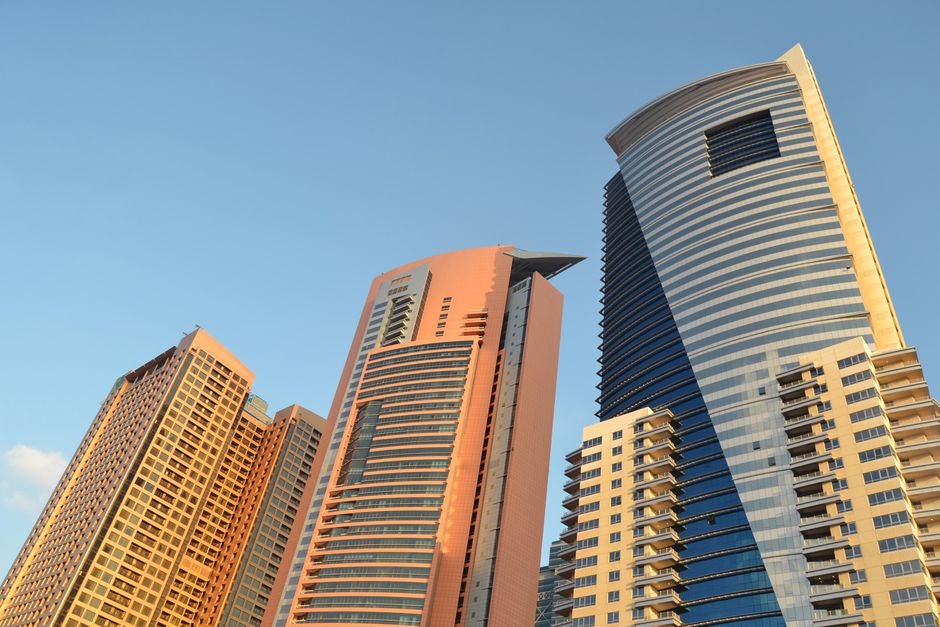
Dubai's business district is witnessing a transformation that extends far beyond the gleaming towers of the DIFC and the corporate corridors of Business Bay. The city's position as a global trade hub is fundamentally reshaping what employers are looking for—and what workers need to thrive in an increasingly complex, geopolitically fragmented economy.
The shift is evident across recruitment agencies clustered along Sheikh Zayed Road and in the office parks of Deira, where demand for specialists in emerging market operations, supply chain diversification, and cross-border regulatory compliance has surged dramatically over the past eighteen months. Companies establishing regional headquarters in Dubai are no longer simply seeking generalist managers; they're competing intensely for professionals with deep knowledge of African trade corridors, Southeast Asian manufacturing networks, and alternative payment systems that bypass traditional Western financial channels.
"We're seeing salary premiums of 20-30 percent for candidates with verifiable experience navigating trade complexity across developing economies," explains one senior recruitment consultant operating from an office tower near the Dubai International Financial Centre. Entry-level positions in trade finance and regional logistics that commanded 80,000-100,000 AED annually two years ago now attract 120,000-150,000 AED for candidates with the right geopolitical acumen.
The realignment reflects broader economic realities. As multinational corporations reassess their supply chains and diversify away from traditional manufacturing hubs, they're positioning Dubai as their operational command center for managing these intricate networks. Companies like those headquartered in Jebel Ali Port's logistics zone are actively recruiting professionals who understand not just goods movement, but the political risks, regulatory environments, and alternative trade arrangements that define commerce in 2026.
Educational institutions have begun responding. Professional training centers across Jumeirah and Business Bay now offer specialized certifications in emerging market trade law and cross-border digital commerce that didn't exist five years ago. Yet supply remains constrained—employers report difficulty finding candidates with simultaneous expertise in traditional trade finance and newer competencies around blockchain-based documentation or alternative settlement mechanisms.
For expatriate workers and UAE nationals alike, the opportunity is significant but selective. Those with existing networks in Africa, South Asia, or Central Asia, or those willing to invest in understanding rapidly evolving regulatory frameworks, find themselves in remarkably strong negotiating positions. However, the market is increasingly bifurcated: generalist roles face pressure, while specialized knowledge commands premium compensation.
The pattern reflects Dubai's enduring economic strength—its ability to capitalize on global disruption and position itself as the connective tissue binding fragmented trade networks. But for job seekers, it's a clear message: the era of generic business acumen is fading. The future belongs to those who understand how the world actually trades.
This article was compiled by AI from the sources linked above and screened before publishing. See our editorial standards.