Dubai's Innovation Districts Are Rewriting the Talent Playbook
As tech hubs proliferate across the emirate, employers are competing fiercely for skilled workers—reshaping salaries, benefits, and career trajectories for the entire job market.
As tech hubs proliferate across the emirate, employers are competing fiercely for skilled workers—reshaping salaries, benefits, and career trajectories for the entire job market.
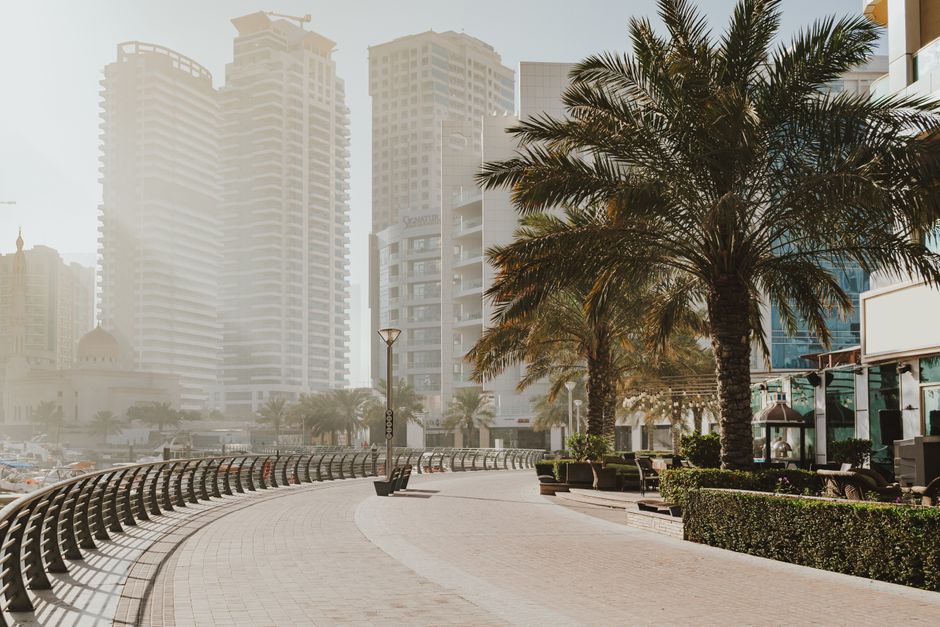
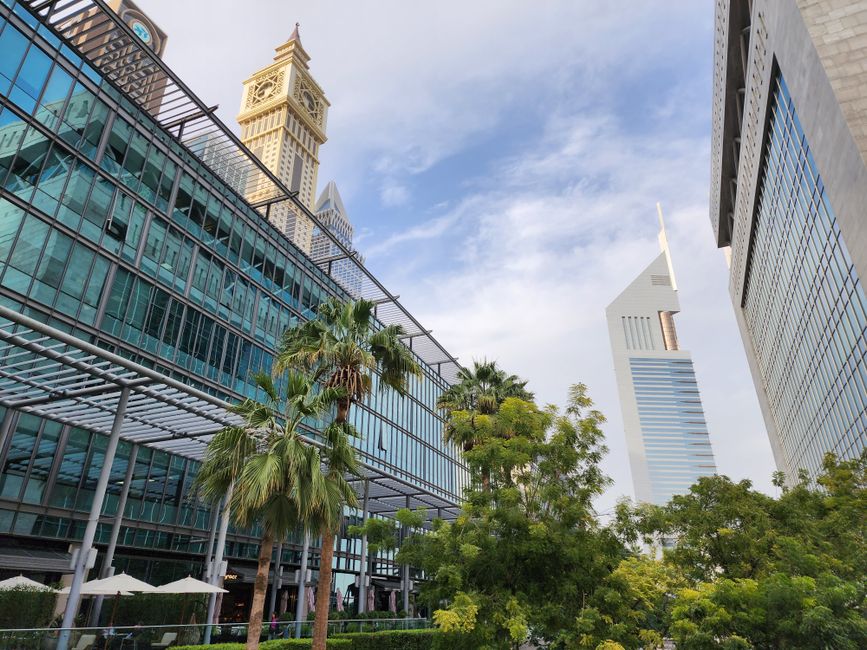
The transformation is visible on the ground. Where Dubai's business landscape once revolved around real estate, banking, and oil-adjacent sectors, a new constellation of innovation zones has emerged—from the Dubai Silicon Oasis in the southeast to the burgeoning tech corridor along Sheikh Zayed Road, and the waterfront developments around Dubai Hills Estate. This shift is creating unprecedented competition for talent, fundamentally altering how companies recruit, retain, and compensate their workforces.
Dubai's startup ecosystem has matured considerably. The emirate now hosts over 18,000 registered startups, according to recent government data, with particular density in software development, fintech, and logistics technology. That concentration has created a talent shortage that traditional sectors—banking, hospitality, real estate—are struggling to match. Tech roles that once commanded AED 80,000 to AED 120,000 annually are now regularly advertised at AED 150,000 to AED 200,000-plus, with equity stakes and flexible arrangements increasingly standard.
The ripple effects extend across job categories. Administrative and operations roles in tech companies now routinely offer remote work options and professional development budgets that legacy sectors rarely countered. Marketing specialists, product managers, and data analysts find themselves pursued by multiple employers simultaneously—a seller's market that hasn't existed in Dubai's professional sphere in years.
Companies clustering around hubs like Dubai Hills Business Park and Digital Park Dubai are driving this shift deliberately. They're banking on proximity—shared infrastructure, networking events, and an ecosystem mentality that makes collaboration easier—to justify premium salaries. The monthly rents at these purpose-built spaces range from AED 80 to AED 200 per square foot, higher than traditional business parks, yet occupancy rates remain robust.
Perhaps most significantly, the innovation district boom is diversifying Dubai's talent pipeline. Rather than requiring decades of banking or hospitality experience, younger professionals can now build careers in emerging sectors. This has attracted international talent more aggressively, with visa sponsorship packages and relocation support becoming competitive differentiators. Educational partnerships with institutions like Northeastern University at Dubai Silicon Oasis are helping develop local pipelines, too.
Yet challenges remain. The frenetic pace of growth has created skill mismatches—demand for cloud architects and AI specialists vastly outpaces supply. And established sectors worry about brain drain. Some traditional employers are responding by investing in upskilling programmes and modernising workplace culture.
As the innovation ecosystem matures, Dubai's job market is experiencing a fundamental reset. The city's next chapter won't be written by those clinging to established models, but by organisations agile enough to compete in a talent market that finally, unmistakably, favours employees.
This article was compiled by AI from the sources linked above and screened before publishing. See our editorial standards.
How does this story make you feel?
Spread the word
About this article
Published by The Daily Dubai
Daily brief
Free, in your inbox before 7am. Weekdays.
More in Business