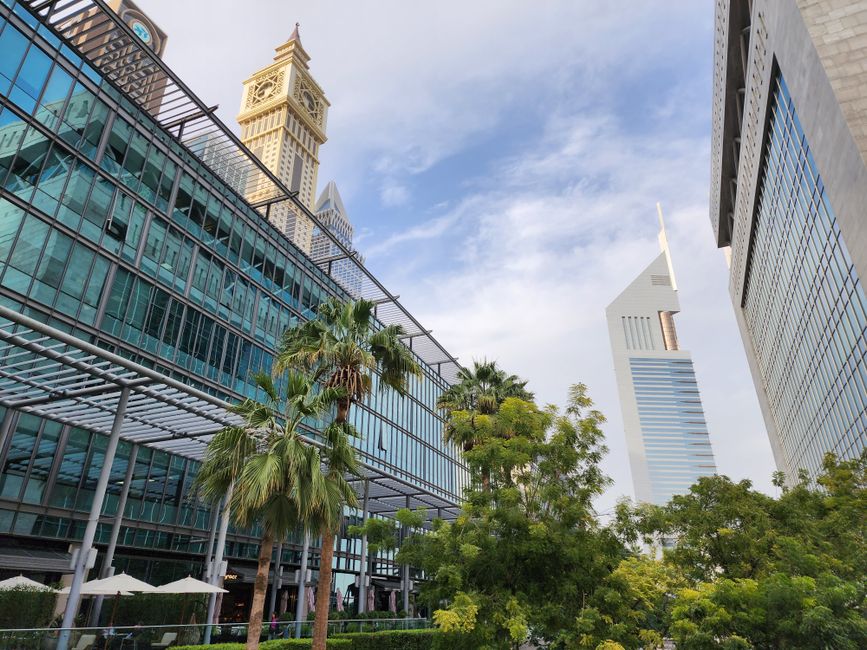
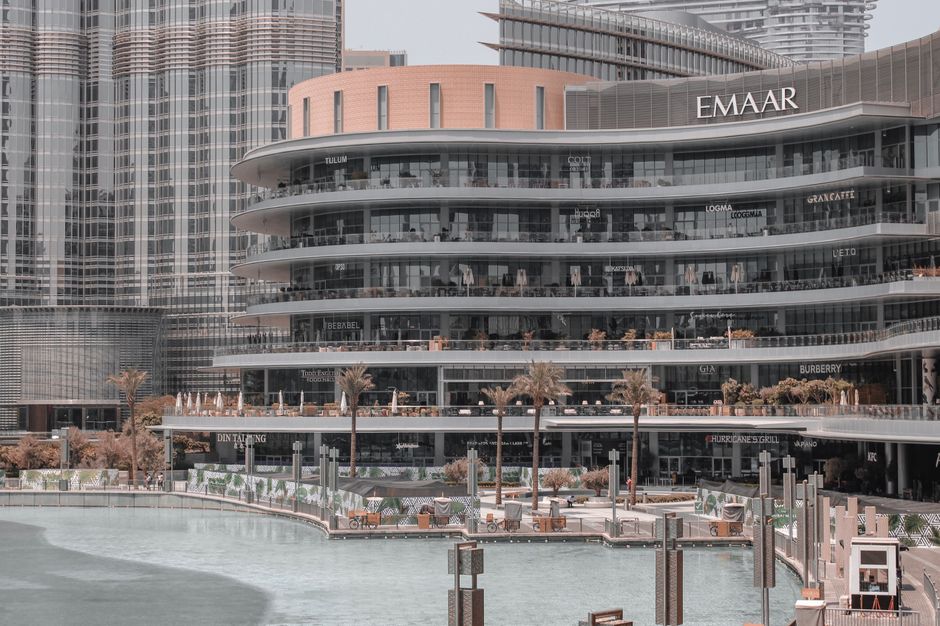
Dubai's startup ecosystem has shifted from niche ambition to mainstream career destination, fundamentally altering how the emirate's employers compete for talent. The proliferation of innovation districts—from Dubai Silicon Oasis to the newly expanded tech zones along Sheikh Zayed Road—has created unprecedented demand for engineers, product managers, and digital specialists, forcing traditional corporations to rethink compensation and workplace culture.
The transformation is most visible in salary dynamics. Senior software engineers at established fintech startups in Dubai Internet City now command AED 250,000 to AED 350,000 annually, matching or exceeding traditional corporate offers. Five years ago, such figures were rare outside multinational banking headquarters. This upward pressure has rippled through the broader market, with mid-sized companies reporting 15-20 percent salary increases needed simply to remain competitive for mid-level technical talent.
"The talent market has fundamentally shifted," according to recruitment data emerging from the region's HR advisory circles. Where Dubai once relied on attracting established professionals from London or New York, the city now generates its own innovation-hungry workforce. Universities across the UAE report a 40 percent surge in technology-focused enrollments over the past three years, with many graduates eyeing startup roles over traditional corporate pathways.
This cultural shift is reshaping physical geography too. While traditional business districts like DIFC maintain their appeal, newer neighborhoods surrounding Dubai Silicon Oasis and Innovation Hub have become magnets for young professionals. Apartment rental prices in these areas have climbed 12-18 percent annually, reflecting demand from startup workers seeking shorter commutes and proximity to their employers.
The competition isn't without friction. Established financial institutions and real estate firms—historically Dubai's largest employers—report elevated attrition rates as talented mid-career professionals chase startup equity stakes and the possibility of rapid advancement. One major Dubai bank anonymously told colleagues that retaining software developers has become "nearly impossible" without restructuring role architecture and remote work policies.
Government initiatives haven't gone unnoticed. The UAE's recent expansion of entrepreneur visas and 10-year residence permits for tech professionals signals deliberate policy support for ecosystem growth. Combined with tax incentives in designated free zones, these moves have accelerated international startup relocation to Dubai, further amplifying local hiring pressure.
As Dubai's innovation economy matures, the city faces a classic growth challenge: maintaining competitive talent acquisition while absorbing new workers into the broader economy. For job seekers, the emerging landscape offers genuine optionality. For employers, adaptation—whether technical reskilling, remote flexibility, or equity participation—has become survival necessity rather than optional perk.
This article was compiled by AI from the sources linked above and screened before publishing. See our editorial standards.