Dubai's Office Market: What Economic Signals Tell Us About Investment Flows
Rising vacancy rates and shifting tenant preferences reveal deeper truths about where global capital is moving in the emirate's commercial real estate sector.
Rising vacancy rates and shifting tenant preferences reveal deeper truths about where global capital is moving in the emirate's commercial real estate sector.
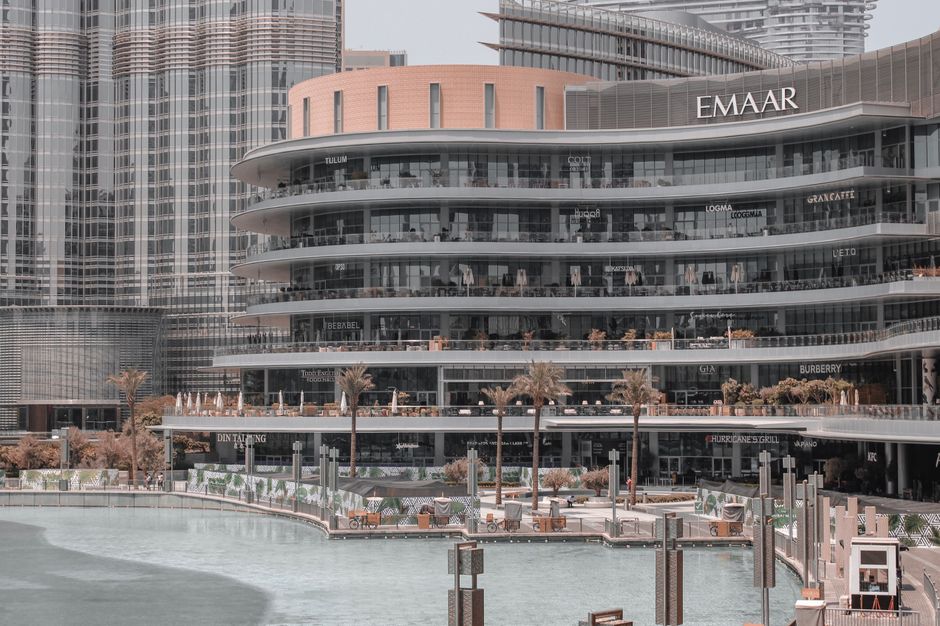
Dubai's commercial property market is sending mixed signals that savvy investors are learning to decode. While headline figures show steady transaction volumes, the underlying economic indicators tell a more nuanced story about where money is actually flowing and why.
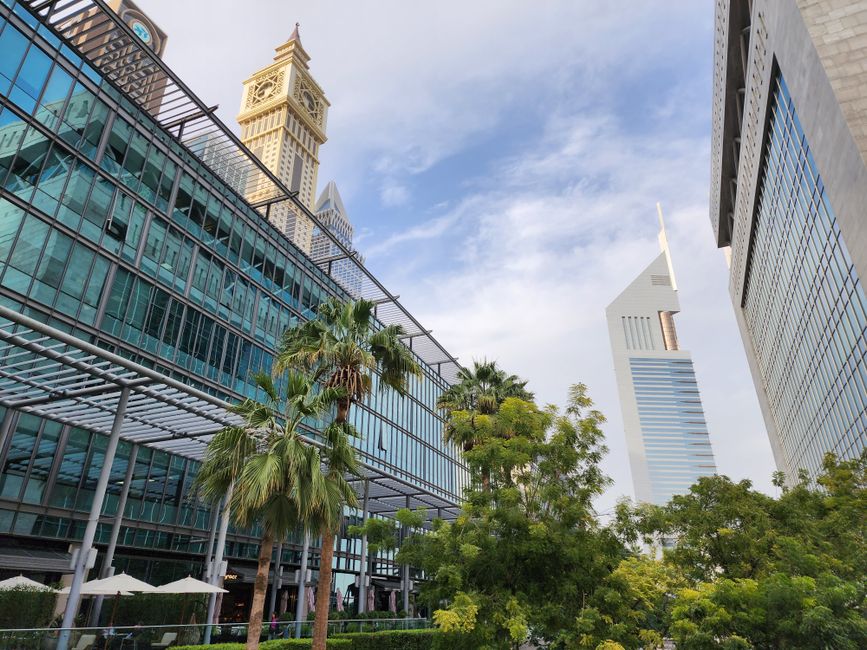
The prime office corridors—Business Bay, Downtown Dubai, and the emerging DIFC district—are experiencing divergent performance. Business Bay, traditionally anchored by mid-market financial and professional services firms, has seen average rents hover around AED 140-160 per square foot annually, relatively stable compared to 2024. However, occupancy data reveals the real picture: newer purpose-built towers in the area command premium rates while older stock faces mounting pressure, with some landlords offering aggressive incentives to secure tenants.
The DIFC, by contrast, continues attracting high-value international firms, with Grade A space commanding AED 200+ per square foot. This divergence reflects a fundamental shift in investment flows. Capital is concentrating in regulatory-compliant, internationally-benchmarked precincts rather than spreading evenly across Dubai's office stock. Real estate consultancies report that institutional investors are increasingly selective, favoring assets with long-term lease visibility and multinational tenant rosters.
Economic indicators buttress this trend. The UAE's non-oil sector growth—which Dubai heavily depends on—expanded at 2.8 percent in early 2026, slower than 2023's pre-correction pace. This moderate growth has translated into cautious hiring patterns among corporate tenants. Companies are consolidating footprints rather than expanding, pushing absorption rates down marginally year-over-year in less competitive submarkets.
What's driving investment reallocation? International capital flows have shifted toward resilience. The global economic environment—characterized by persistent inflation in some markets and recession fears in others—has made Dubai's political stability and crypto-friendly regulatory environment attractive once again. This explains why co-working operators and fintech firms continue taking space even as traditional corporates pause expansion.
The Dubai Land Department's transaction data shows commercial property sales volumes up 12 percent quarter-on-quarter, yet average prices remain flat. This suggests increasing transaction activity among sophisticated investors—likely portfolio rebalancing—rather than organic market growth. Yield-hunting is outpacing capital appreciation expectations.
For developers and landlords, the message is clear: generic office space is a harder sell. The market now rewards specificity—whether that's sustainable building certifications, flexible co-tenancy arrangements, or proximity to emerging business clusters along Sheikh Zayed Road.
Dubai's office market isn't declining; it's maturing. Investors comfortable reading these economic signals will find opportunity in the gaps.
This article was compiled by AI from the sources linked above and screened before publishing. See our editorial standards.
How does this story make you feel?
Spread the word
About this article
Published by The Daily Dubai
Daily brief
Free, in your inbox before 7am. Weekdays.
More in Business