Dubai's visitor economy is experiencing a peculiar acceleration. While traditional summer months typically see a dip in international arrivals, June 2026 data reveals a 23 percent year-on-year uptick in overnight stays, with particular strength among high-net-worth individuals from Europe and Southeast Asia. The shift is reshaping which businesses thrive—and which are left behind.
The trend reflects a deeper reality: geopolitical turbulence elsewhere is driving affluent travellers toward destinations perceived as stable, cosmopolitan, and politically neutral. Dubai's positioning as a global entrepôt appears to be paying dividends.
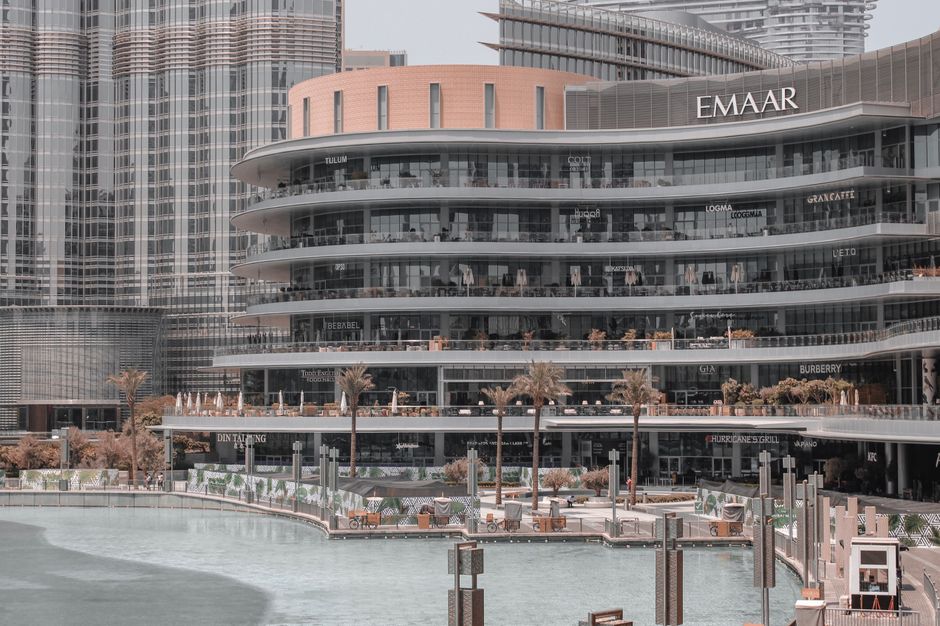
Early beneficiaries are easy to spot. Ultra-luxury operators in Downtown Dubai and the Palm Jumeirah report occupancy rates exceeding 85 percent, commanding nightly rates above AED 2,500 for premium suites. Concierge services, helicopter charter companies, and bespoke shopping experiences along the Gold Souk and in the Fashion District are reporting double-digit revenue growth. One Avenue at Emaar Square recently expanded its personal shopping services, a calculated bet on wealthy visitor spending.
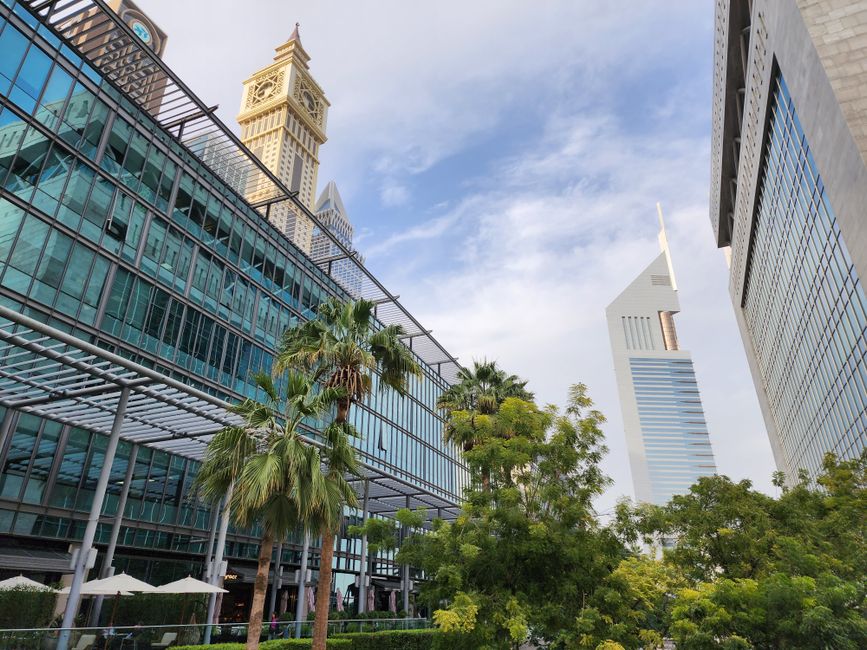
But the opportunity extends beyond five-star hotels. Mid-market hospitality providers and experiential operators are repositioning aggressively. Business hotels in DIFC and around Jumeirah Lake Towers—historically dependent on corporate travellers—are pivoting marketing spend toward leisure-focused packages. Culinary tourism is accelerating: restaurateurs in Al Fahidi Historical District and along Sheikh Zayed Road are extending operations to accommodate unplanned tourist foot traffic.
The real opportunity, however, lies in the gap between mass tourism and luxury offerings. Boutique hotels in Deira, digital-first travel platforms catering to independent visitors, and niche tour operators specializing in cultural and heritage experiences are positioning themselves to capture middle-to-upper income travellers. These segments, historically underserved in Dubai's tourist landscape, represent the true growth frontier.
Travel agencies and tour operators leveraging data analytics to identify emerging source markets—particularly tier-two cities in the Middle East and Central Asia—are gaining traction. Partnerships with airlines offering enhanced connectivity are proving decisive.
Yet headwinds exist. The cost of visitor acquisition is rising as competition intensifies. Smaller operators lack the scale to absorb marketing expenses that major chains can spread across portfolios. Currency fluctuations and global interest rate volatility may dampen demand later in the year.
The clearest lesson: Dubai's visitor economy today rewards those who moved quickly to understand this moment. Businesses that anticipated the shift toward stability-seeking affluent travel are capturing disproportionate gains. For others, the window for repositioning is narrowing.
This article was compiled by AI from the sources linked above and screened before publishing. See our editorial standards.