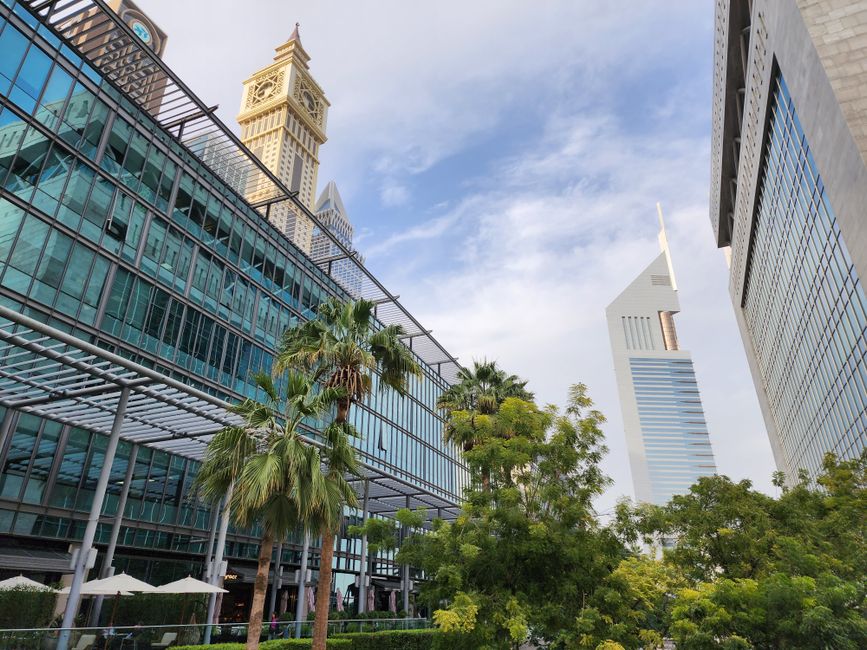
Walk through the gleaming towers of the Dubai International Financial Centre (DIFC) or the bustling trade floors in Deira, and you'll notice a shift in hiring momentum that reflects far more than local market conditions. Global instability—from Middle Eastern tensions to mining sector volatility and emerging disease threats—is fundamentally reshaping how Dubai's businesses approach recruitment and retention.
The past months have seen regional geopolitical complexities intensify negotiations between major powers, creating uncertainty in sectors ranging from energy trading to logistics. This translates directly into caution among Dubai employers. Financial services firms along Sheikh Zayed Road are moving more cautiously on international appointments, with visa sponsorships for senior roles increasingly tied to longer-term contract commitments rather than the flexible arrangements that once defined the emirate's competitive edge.
"Companies are no longer hiring speculatively," explains one hiring manager at a major consulting firm with offices in the Deira area, noting that positions in trade finance and commodities—traditionally growth areas—are seeing extended vacancy periods. The average time to fill mid-level management roles has stretched to eight weeks, up from five to six weeks two years ago.
Mining and natural resources sectors, which anchor significant portions of UAE business activity, are experiencing particular turbulence. Global commodity price volatility tied to international supply chain disruptions means Dubai-based trading houses and logistics operators are recalibrating headcount and freezing junior recruitment in some departments.
The employment landscape is also being reshaped by sectoral rotation. Healthcare and technology roles continue to outpace traditional sectors. Companies in the Healthcare City and Dubai Silicon Oasis clusters report stronger hiring momentum, even as traditional financial services grapple with uncertainty. Salary expectations have stabilized rather than grown, with many employers offering 2-3% annual increases instead of the 4-6% packages common in previous cycles.
Simultaneously, the influx of workers relocating from unstable regions has intensified competition in mid-market roles. Professionals with credentials from volatile regions are accepting lower salary bands than they might have previously demanded, reshaping wage scales across hospitality, real estate, and professional services.
The talent retention challenge cuts both ways. Experienced expatriates with geographic flexibility are increasingly exploring opportunities beyond the Gulf, particularly in stable Western markets. This brain drain of senior talent is forcing local organizations to invest more heavily in leadership development and succession planning.
For Dubai's business ecosystem, the message is clear: global instability isn't a distant concern. It's reshaping hiring decisions, salary structures, and retention strategies across every major business district in the emirate.
This article was compiled by AI from the sources linked above and screened before publishing. See our editorial standards.