Walk through the co-working spaces of Business Bay or the creative hubs sprouting along Al Wasl Road, and you'll notice a shift that's quietly reshaping Dubai's labour market. The creator economy—livestreamers, content producers, digital marketers, and independent consultants—has grown so rapidly that it's beginning to siphon talent away from traditional corporate structures, forcing local businesses to rethink recruitment strategies and compensation models.
Industry observers point to a threefold increase in registered freelancers and solo entrepreneurs in Dubai over the past three years, with the UAE's recent legislative push toward a digital-first economy providing regulatory tailwinds. The Mohammed Bin Rashid Library and AstroLabs in DIFC have become unofficial headquarters for this movement, while affordable office-sharing options in Jumeirah Lake Towers and Silicon Oasis have lowered barriers to entry for ambitious founders.
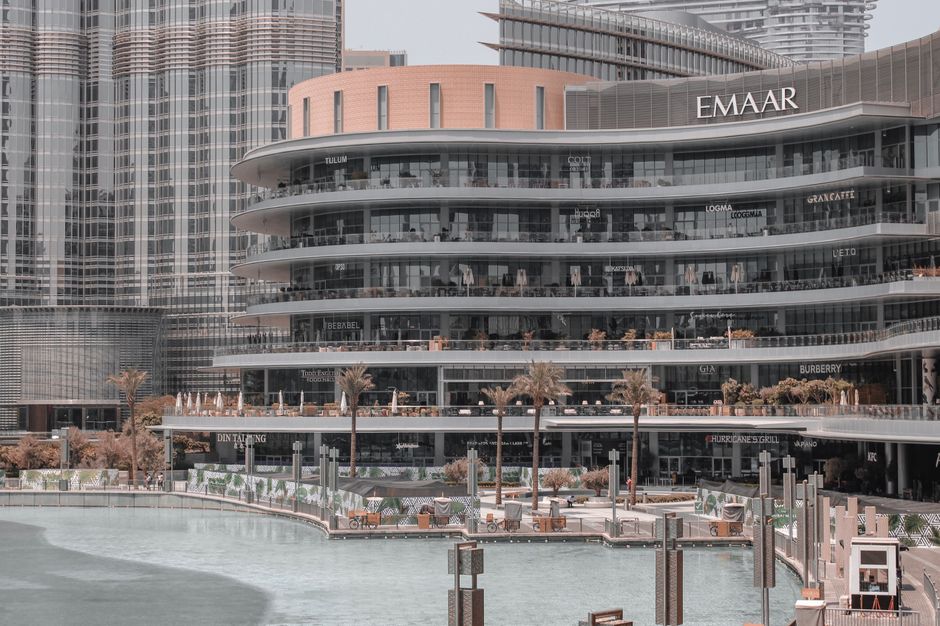
"We're competing for talent differently now," explains the business development director at a mid-sized marketing firm based near Emaar Boulevard. "Five years ago, a junior employee might have stayed for three to five years. Now, after eighteen months, they're testing their own venture." The shift mirrors global patterns but carries distinctly local characteristics: many entrepreneurs leverage Dubai's tax incentives for freelancers and tap into the region's multicultural consumer base.
What's particularly significant is how this trend is reshaping skill premiums. Graphic designers, video editors, and social media specialists who once commanded modest salaries now negotiate premium rates as independent contractors—sometimes earning 40-50 per cent more than their corporate counterparts. This has forced established companies to either raise salaries or offer flexibility that mimics entrepreneurial autonomy: results-based contracts, remote-work options, and equity participation.
The ripple effects extend beyond compensation. Recruitment timelines have stretched as companies struggle to fill positions requiring specialised digital skills. HR departments across the emirate report longer vacancies and increased reliance on contract workers. Simultaneously, training budgets have shifted: firms increasingly invest in retention-focused upskilling programmes rather than hiring externally.
Real estate dynamics have shifted too. Demand for hot-desking spaces and private offices in Business Bay and JLT has surged, with monthly rates now ranging from AED 800 to AED 2,500 depending on location and amenities—pricing that would have seemed premium just two years ago.
For Dubai's broader economy, the trend signals a maturing, decentralised talent ecosystem. Whether it ultimately strengthens or fragments the labour market remains an open question—but one thing is certain: the days of linear career paths within single corporations are fading, replaced by a fluid, entrepreneurial-minded workforce that is forcing the emirate's business community to evolve rapidly.
This article was compiled by AI from the sources linked above and screened before publishing. See our editorial standards.