Dubai's Retail-Hospitality Rebound: What Economic Signals Tell Us About Investment Appetite
As capital flows shift across the region, new spending patterns in Downtown and along Sheikh Zayed Road reveal where Gulf investors are placing their bets.
As capital flows shift across the region, new spending patterns in Downtown and along Sheikh Zayed Road reveal where Gulf investors are placing their bets.
Dubai's retail and hospitality sectors are sending mixed but instructive signals about investor confidence heading into the second half of 2026. While headline footfall numbers remain robust, the underlying composition of spending—and where development capital is being deployed—tells a more nuanced story about regional economic health.
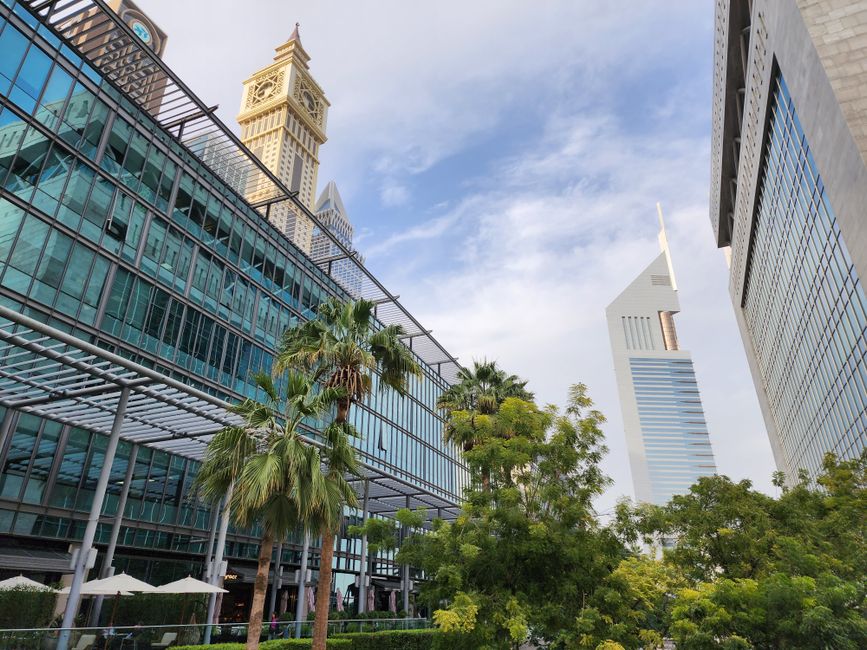
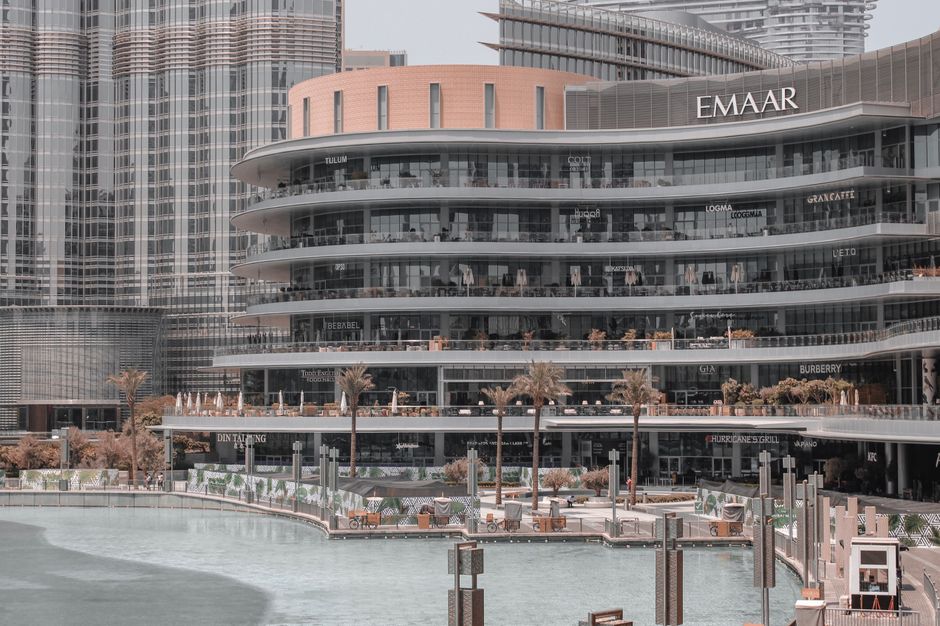
The Downtown Dubai precinct has absorbed approximately AED 3.2 billion in new hospitality investment over the past eighteen months, according to property advisory data. This concentration reflects a clear bet: international travellers and regional high-net-worth individuals remain resilient spending cohorts. New boutique hotel concepts near the Dubai Mall and Souk Al Bahar are targeting the luxury segment, where average room rates have climbed to AED 1,800-2,200 nightly, up from AED 1,550 in early 2025.
Retail tells a different tale. Mega-malls face genuine headwinds. While Ibn Battuta and Mall of the Emirates maintain steady visitor numbers, specialty retailers along Jumeirah Beach Road and in the Dubai Marina cluster are reporting compressed margins. Consumer spending on discretionary goods has contracted roughly 4-6 per cent year-on-year, according to retail analytics firms tracking payment data across emirate transactions.
Yet this contraction paradoxically signals where smart money is flowing. Investment in food and beverage concepts—particularly casual dining and cloud kitchens—has accelerated sharply. The Jumeirah and Al Wasl areas have seen fifteen new F&B ventures launch in the past six months, primarily targeting delivery-first models. Average startup capital requirements have fallen to AED 400,000-600,000, down from AED 800,000 two years ago, as operators optimize labour costs and lease smaller footprints.
What explains this reorientation? Suburban consolidation. As residential density increases in communities like Damac Hills and Arabian Ranches, consumer spending is bifurcating. Ultra-luxury tourism remains buoyant—driving Downtown investment. But everyday retail is migrating toward convenience and proximity, favouring neighbourhood nodes over monolithic mall structures.
Critically, foreign direct investment in F&B franchising has shifted. European and Asian hospitality groups are increasingly viewing Dubai not as a destination market but as a regional hub—using the Emirates as a testing ground for expansion into Saudi Arabia and the broader GCC. This explains why investors are prioritizing replicable models over bespoke flagship locations.
The implication for stakeholders is clear: capital allocation is becoming granular and efficiency-conscious. Broad-based expansion strategies are yielding to targeted, data-driven deployment. For investors watching Dubai, the message isn't retreat—it's recalibration toward demonstrable yield.
This article was compiled by AI from the sources linked above and screened before publishing. See our editorial standards.
How does this story make you feel?
Spread the word
About this article
Published by The Daily Dubai
Daily brief
Free, in your inbox before 7am. Weekdays.
More in Business