Why Your Dubai Grocery Bill and Rent Depend on Global Trade Tensions
As geopolitical conflicts reshape supply chains, everyday residents are seeing real impacts on prices and product availability—here's what you need to know.
As geopolitical conflicts reshape supply chains, everyday residents are seeing real impacts on prices and product availability—here's what you need to know.
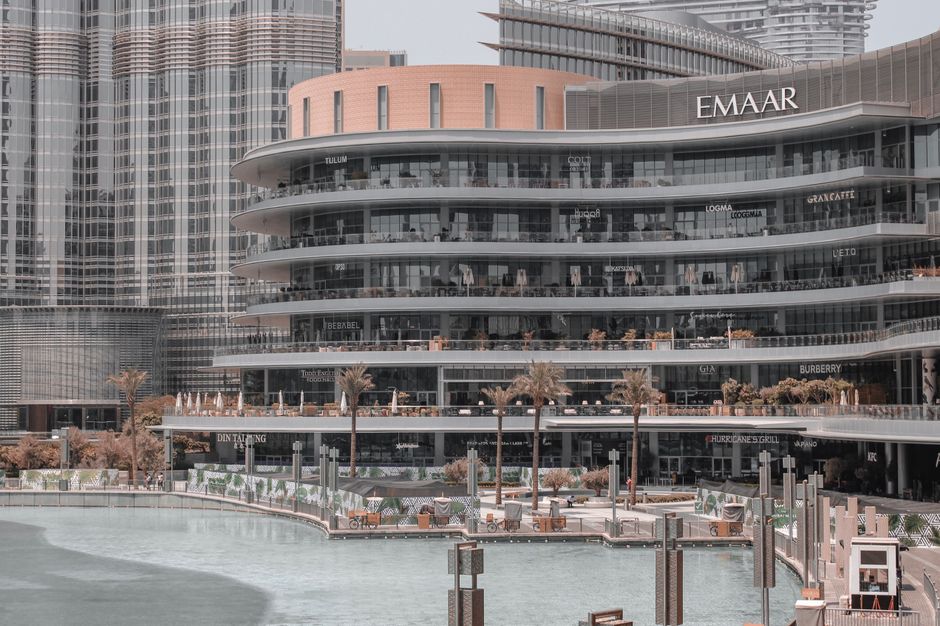
Walk into any Carrefour on Sheikh Zayed Road or browse the stalls at the Spice Souk, and you're witnessing one of the world's most complex supply chain stories play out in real time. Recent escalations in Middle Eastern tensions and trade disputes between major powers are creating ripple effects that directly affect your monthly expenses and the products you find on shelves.
Dubai's economy relies heavily on being a global trading hub. About 80 per cent of the emirate's non-oil GDP depends on international commerce, according to trade analysts. When geopolitical tensions rise—whether it's disruptions in key shipping lanes or sanctions affecting major trading partners—the cost eventually lands on residents' doorsteps.
Consider something as mundane as your grocery shopping. Many staple items sold in Marina Mall or Ibn Battuta Mall originate from countries now facing political or economic uncertainty. Certain imported vegetables, dairy products, and packaged goods that were once competitively priced have seen cost increases ranging from 8 to 15 per cent over the past eighteen months, according to retail observers tracking Dubai's consumer markets. Shipping delays and rerouted cargo add days and dirhams to delivery costs.
Real estate tells a similar story. Dubai's property market attracts international investors seeking stability. When global confidence wavers—whether due to conflicts affecting trade routes or uncertainty in major economies—foreign investment patterns shift. This influences everything from villa prices in Arabian Ranches to apartment rental rates in Downtown Dubai. Your neighbour's ability to afford that new apartment may hinge partly on investment flows disrupted by international tensions thousands of kilometres away.
The job market feels these tremors too. Businesses operating from the Dubai International Financial Centre (DIFC) and commercial hubs like Jebel Ali Port respond to global economic conditions. When trade slows, hiring freezes follow. Conversely, when tensions threaten alternative routes, companies sometimes relocate operations to Dubai for its perceived stability—creating employment opportunities.
For everyday residents, understanding these connections means recognizing that your cost of living isn't determined solely by local decisions. Currency fluctuations, shipping insurance, tariffs, and geopolitical risk premiums all feed into what you pay for imported goods—which is practically everything in Dubai.
The takeaway: pay attention to international news. When major trade routes face disruption or significant economies enter conflict, expect delayed product availability and gradual price adjustments within weeks. Diversifying where your household sources essentials—comparing prices across different retailers and considering bulk purchases during stable periods—offers practical insulation against these global forces.
This article was compiled by AI from the sources linked above and screened before publishing. See our editorial standards.
How does this story make you feel?
Spread the word
About this article
Published by The Daily Dubai
Daily brief
Free, in your inbox before 7am. Weekdays.
More in Business


