Dubai's tourism sector is sending unmistakable economic signals, and savvy investors are reading them carefully. With visitor numbers crossing 13.6 million in 2025—a figure that continues climbing into 2026—the emirate's hospitality ecosystem is attracting fresh capital flows that extend far beyond hotel occupancy rates.
The numbers tell a compelling story. Average daily room rates across downtown Dubai properties have stabilised around AED 680-750, a healthy indicator of demand without irrational exuberance. More tellingly, the length of stay has extended to 4.2 nights on average, suggesting visitors are deeper-pocketing than the traditional two-night weekend crowd. This matters because longer stays generate multiplier effects—spending spreads across dining in Bastakiya, retail in Dubai Mall, and experiences along Sheikh Zayed Road.
Capital investment flows reflect confidence. Major hospitality groups have committed over AED 15 billion to new projects in 2024-2026, with significant concentrations in Jumeirah, Downtown Dubai, and the emerging Business Bay corridor. These aren't speculative bets; they're responses to measurable demand patterns and regulatory clarity from the Department of Tourism and Commerce Marketing.
International visitor composition has shifted in ways worth monitoring. While European arrivals remain steady, Southeast Asian visitors now represent 28% of total footfall—up from 19% three years ago. This reshaping matters because Asian middle-class tourists spend differently: higher spend on F&B, lower spend on luxury retail, and consistent weekend business. Airlines have responded with increased capacity on routes from Mumbai, Bangkok, and Manila—a lagging indicator that typically confirms sustained demand.
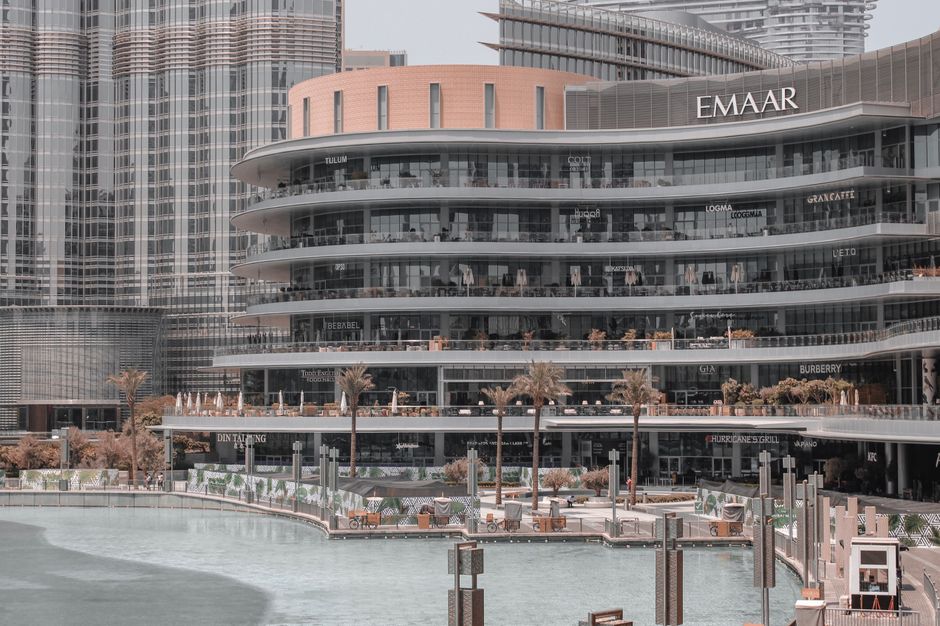
The commercial real estate ripple effect cannot be ignored. Retail space along the Ground Floor of Dubai Mall commands premium rates as fashion and hospitality brands compete for visitor-facing positions. Similarly, serviced apartment operators report occupancy rates of 87-92%, substantially above the 75% threshold that justifies new development financing.
What's particularly instructive is where money isn't flowing. Speculative office space in secondary locations remains sluggish, while hospitality-adjacent sectors—airport services, transport technology, digital booking platforms—are seeing venture capital attention. This reflects sophisticated market signals about where tourism spending actually concentrates.
For business observers, the lesson is straightforward: Dubai's tourism economy isn't simply recovering—it's rebalancing. The mix of visitors is changing, spending patterns are evolving, and capital is flowing toward enterprises best positioned to serve these emerging preferences. Understanding these indicators separates informed investment decisions from reactive ones in a market moving faster than many realise.
This article was compiled by AI from the sources linked above and screened before publishing. See our editorial standards.