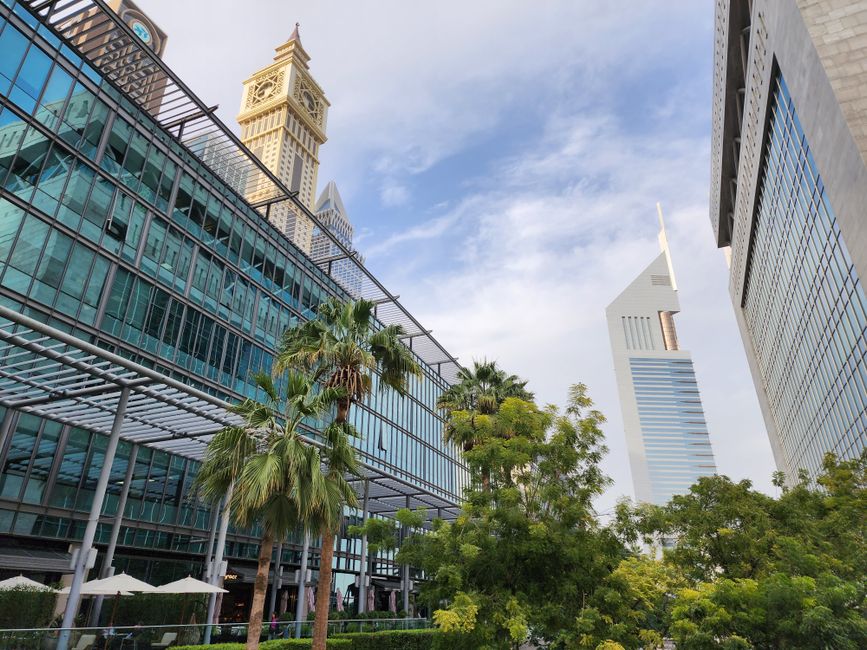
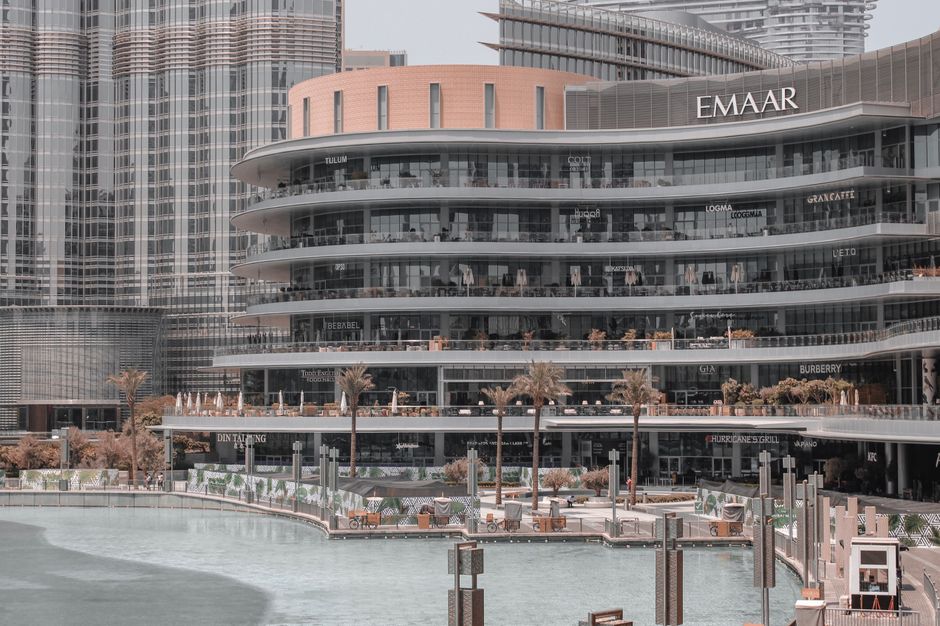
The gleaming office parks of DIFC and the sprawling business districts along Sheikh Zayed Road are experiencing a subtle but significant transformation. Six months into 2026, Dubai's job market is being reshaped by a quiet revolution: the normalization of remote and hybrid work arrangements that are fundamentally altering how companies recruit, retain, and structure their operations across the emirate.
Traditional office occupancy rates in premium locations—from the towers flanking the Dubai Mall to the financial hubs in Emirates Hills—are hovering around 60-65%, according to industry sources tracking real estate utilization. This shift has forced major employers to reconsider their real estate commitments. Several multinational firms have downsized their office footprints in Downtown Dubai and Bur Juman over the past 18 months, redirecting capital toward talent acquisition and professional development instead.
The implications for the local job market are profound. Companies can now recruit specialized talent from across the Gulf region and beyond without requiring relocation to Dubai. A software engineer in Amman or a financial analyst in Riyadh can now work for a Dubai-based firm while maintaining their cost of living. This geographic arbitrage is intensifying competition for premium salaries—employers offering on-site roles in Dubai increasingly command 15-20% salary premiums compared to their remote-first counterparts.
Meanwhile, demand for roles requiring physical presence—facilities management, cybersecurity operations, and client-facing positions in hospitality and financial services—remains robust. The hospitality sector particularly, spanning from Jumeirah to Al Baraka, continues hiring aggressively as tourism volumes remain elevated.
Co-working spaces and flexible office operators report mixed results. Providers across Dubai Marina and Business Bay are adapting their models, shifting from long-term leases toward day-pass and hot-desking arrangements that cater to hybrid workers rotating through the office.
Recruitment agencies operating from offices on Baniyas Road and along the Trade Centre Road corridor report that candidates now prioritize flexibility over traditional perks. Health insurance and professional development budgets rank higher than proximity to Sheikh Zayed Road, marking a significant departure from hiring priorities just three years ago.
The government's initiatives promoting digital entrepreneurship and tech hubs—particularly in Dubai Silicon Oasis and Jumeirah Lake Towers—are beginning to compete effectively for talent previously drawn to established financial sectors. Younger professionals, especially Emiratis and regional Arabs, are increasingly drawn to innovation-focused roles over traditional corporate hierarchies.
By mid-2026, it's clear: the talent market in Dubai is no longer geographically constrained by office locations. Companies that adapt quickly to this reality will capture the best talent. Those clinging to traditional office-centric models risk being outpaced.
This article was compiled by AI from the sources linked above and screened before publishing. See our editorial standards.