How Global Instability Is Reshaping Dubai's Small Business Playbook
From supply chain chaos to shifting investor appetite, entrepreneurs across the emirate are learning to navigate a world turned upside down.
From supply chain chaos to shifting investor appetite, entrepreneurs across the emirate are learning to navigate a world turned upside down.
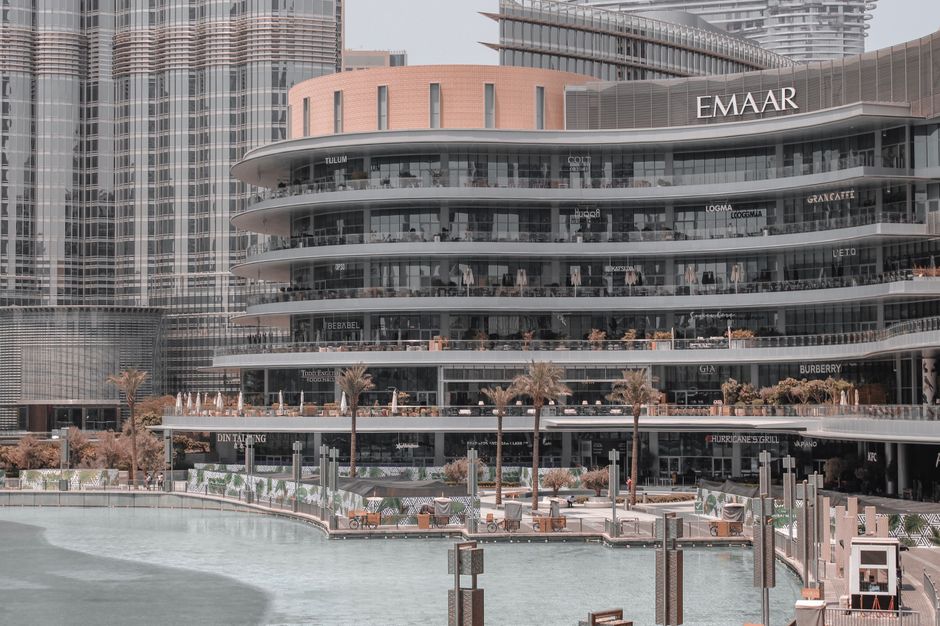
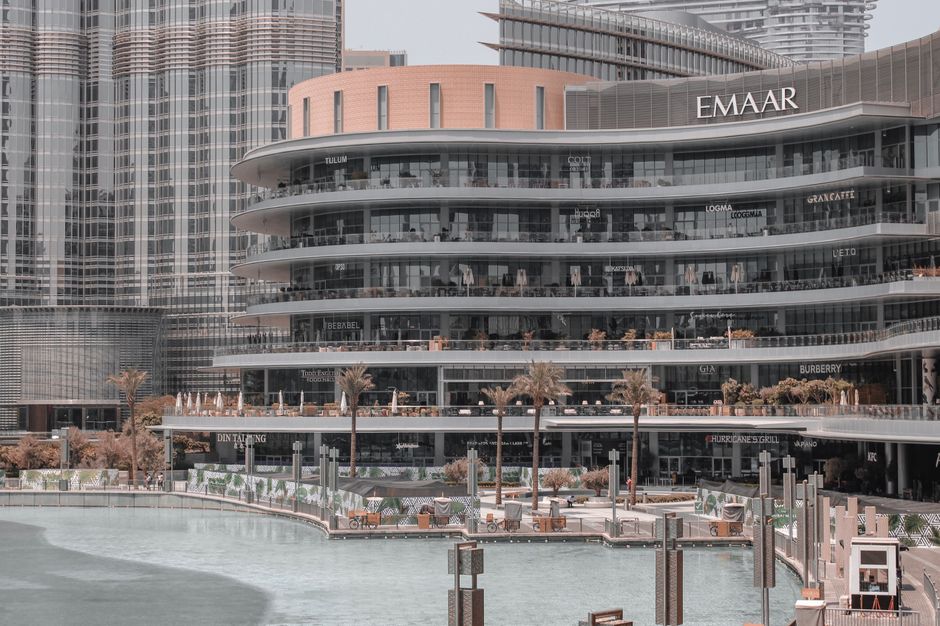
Walking through the Business Bay promenade on a Monday morning, you'll spot something that wasn't routine five years ago: small business owners huddled around coffee shop tables, laptops open, recalibrating their entire operational strategies. The reason isn't local—it's global.
The cascading effect of international instability is now Dubai's small business reality. Tariff threats, geopolitical tensions in the Middle East, currency volatility in emerging markets, and logistical bottlenecks have created a perfect storm that forces even the nimblest entrepreneurs to rethink fundamentally how they operate.
Take the e-commerce and logistics sector, which powers much of Dubai's entrepreneurial economy. Businesses operating from Al Quoz industrial zones and around Jebel Ali Port face unprecedented freight costs. A 40-foot container from Shanghai now costs 40-50% more than it did in early 2024, according to freight forwarding firms operating in the UAE. For a mid-sized retailer sourcing inventory from Asia, that's not a rounding error—it's the difference between profitability and closure.
"What we're seeing is a fundamental shift in where small business owners source from," explains one regional trade consultant. Entrepreneurs are increasingly looking to Turkey, Egypt, and India rather than traditional Asian suppliers, simply to absorb transportation costs. This reshuffles established supplier relationships built over decades.
Currency fluctuations compound the challenge. The Venezuelan economic crisis, Pakistan-Afghanistan instability, and Iran sanctions discussions mean that entrepreneurs with exposure to these markets or currency-sensitive pricing models face margin compression. Meanwhile, talent acquisition—critical in Dubai's competitive marketplace—has shifted as geopolitical uncertainty makes international hiring less predictable.
Yet the story isn't entirely cautionary. Several boutique consultancies operating from DTEC (Dubai Silicon Oasis) report a surge in demand from businesses seeking to "Dubai-proof" their operations—essentially making the emirate a resilience hub rather than just a sales point. Companies are establishing regional headquarters here to mitigate supply chain risk across MENA and Asia-Pacific markets.
Commercial real estate in pragmatic locations like Discovery Gardens and Barsha Heights reflects this shift, with small business leasing upticks driven by companies building redundancy into their operations. What looked like overexpansion two years ago now appears strategic.
The message for Dubai's 800,000-plus small and medium enterprises is clear: global instability isn't a temporary headwind. It's the new operating environment. Survival belongs to those who see international chaos not as disruption, but as opportunity to redesign their business models.
This article was compiled by AI from the sources linked above and screened before publishing. See our editorial standards.
How does this story make you feel?
Spread the word
About this article
Published by The Daily Dubai
Daily brief
Free, in your inbox before 7am. Weekdays.
More in Business