Desert Shift: What Dubai's Small Business Owners Need to Know About Q3 Market Trends
As summer heat peaks, cost pressures mount and consumer behaviour changes—here's what entrepreneurs across the emirate must watch.
As summer heat peaks, cost pressures mount and consumer behaviour changes—here's what entrepreneurs across the emirate must watch.
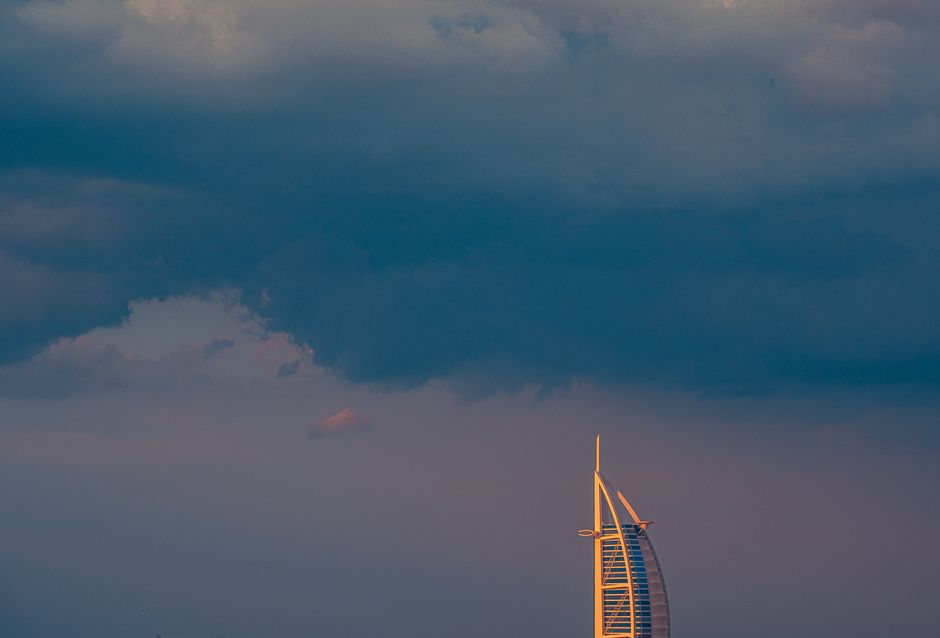
The summer slump is no myth in Dubai, and small business owners across Downtown, Deira, and Business Bay are already feeling the pinch. With temperatures regularly exceeding 45°C and many UAE residents heading abroad, footfall in retail hotspots like the Gold Souk and Beach Road has dropped by an estimated 25-30% compared to the winter season, according to data from the Dubai Chamber of Commerce and Industry.
For entrepreneurs operating in the hospitality and retail sectors, the challenge is acute. Rental costs in prime locations like DIFC and Dubai Marina remain stubbornly high—commercial spaces averaging AED 150-200 per square foot annually—while customer volumes dip. Yet savvy business owners are pivoting their strategies in real time.
"The narrative has shifted," explains the sentiment across small business forums and networking hubs like the Entrepreneur Hub near JAFZA. Successful operators are doubling down on digital channels and delivery services. Food and beverage entrepreneurs, particularly those in Jumeirah and Al Barsha, are seeing a 40% surge in cloud kitchen models and meal prep subscriptions as residents prefer home delivery during peak summer months.
Labour cost inflation remains another critical concern. With the implementation of enhanced labour protections and ongoing wage pressure, many small manufacturers and service providers in Industrial City and Jebel Ali are reporting a 12-15% increase in operational costs year-on-year. This has forced some to explore automation and efficiency gains rather than headcount expansion.
The silver lining? Tourism diversification and summer promotions are working. The Dubai Shopping Festival extended promotions and experience-based offerings—from wellness services to cultural events—are creating new revenue streams for boutique businesses willing to innovate. Several small fitness and wellness entrepreneurs in Al Safa and Satwa have capitalized on indoor fitness demand, with membership packages up 18% since January 2026.
Real estate and co-working spaces are also seeing shifts. Demand for flexible, short-term office solutions in emerging hubs like Dubai South and Dubai Silicon Oasis has grown as entrepreneurs test new markets before committing to traditional leases.
For business owners planning H2 2026, the advice is consistent: diversify revenue streams, embrace digital transformation, and carefully manage cash flow during the quieter summer period. Those who view this seasonal challenge as an opportunity to innovate—rather than simply survive—are positioning themselves for stronger performance when autumn arrives and the emirate's business tempo quickens again.
This article was compiled by AI from the sources linked above and screened before publishing. See our editorial standards.
How does this story make you feel?
Spread the word
About this article
Published by The Daily Dubai
Daily brief
Free, in your inbox before 7am. Weekdays.
More in Business


