Dubai's tourism sector is experiencing an unexpected acceleration in the second half of 2026, with visitor arrivals tracking 8% ahead of forecasts and average daily hotel occupancy rates holding steady above 82% across both beachfront and downtown properties. The surge is creating immediate opportunities for established players while opening unexpected windows for smaller operators and service providers across the hospitality value chain.
The momentum began in May, driven by a convergence of factors: reduced airfares from European gateways following capacity increases on Gulf carriers, improved air connectivity from secondary markets in the Indian subcontinent, and a sustained appetite among Gulf nationals for staycations during summer months. Premium hospitality operators along Sheikh Zayed Road and in the Downtown Dubai precinct have responded by extending promotional packages and upgrading service offerings, while mid-range hotel operators clustered around Bur Dubai and Al Manara are reporting their strongest advance bookings in three years.
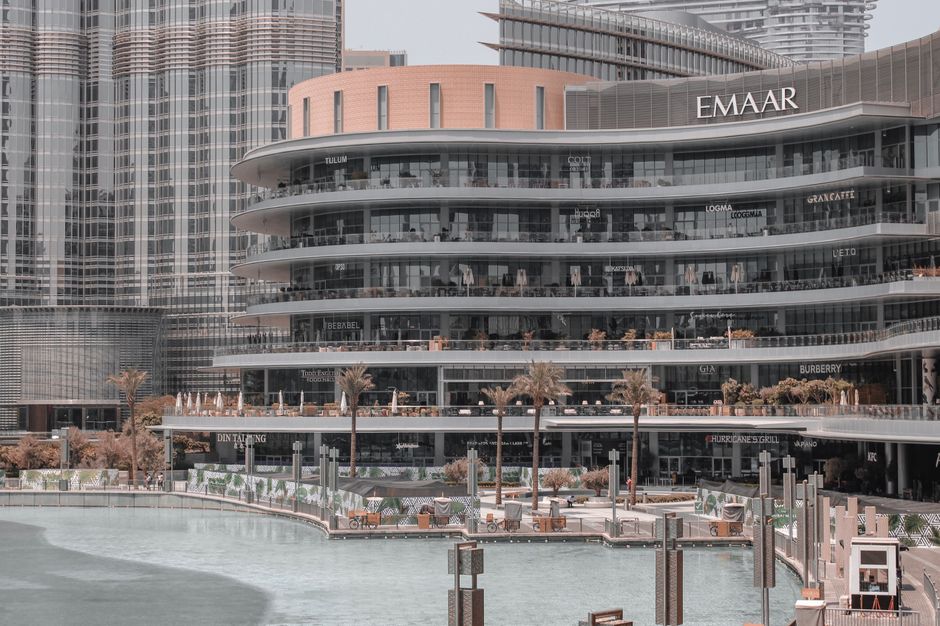
The benefits extend far beyond hotel lobbies. Retail establishments across The Dubai Mall and Ibn Battuta Mall are capitalizing on extended visitor dwell times, with luxury goods retailers reporting that international tourists now account for nearly 60% of quarterly revenues—up from 51% in the same period last year. Dining establishments in Al Seef and along the Creek waterfront, including both established Michelin-recognized venues and newer independent eateries, are operating near capacity during peak hours.
Ground transportation and tour operators represent another significant beneficiary class. Companies offering desert experiences, dhow cruises, and heritage tours through Old Dubai are adding afternoon and early-evening slots to accommodate demand. Emerging digital platforms connecting tourists with local guides and curated experiences have grown their user bases by 34% year-on-year, indicating a shift toward personalized, non-traditional tourism products.
Real estate-adjacent services—short-term rental management, property servicing, and laundry facilities—have also seen marked growth as property owners increasingly convert apartments into hospitality-grade units for the summer season. This informal accommodation sector now generates an estimated 12-15% of total visitor bednight capacity, a significant shift from five years ago.
However, sector observers caution that this upswing, while substantial, masks uneven distribution of gains. Luxury operators and established retail chains have secured the lion's share of margin expansion. Smaller independent operators and service providers remain vulnerable to seasonal volatility and tighter competition from corporate players acquiring assets and market share rapidly.
As visitor forecasts for Q3 and Q4 continue upward revision, the question facing Dubai's business community is whether this represents a structural recovery in post-pandemic travel demand or a temporary confluence of favorable conditions that will normalize once global capacity stabilizes further.
This article was compiled by AI from the sources linked above and screened before publishing. See our editorial standards.