Dubai's investment landscape, long celebrated as a beacon of stability and opportunity, is confronting a sobering array of challenges as 2026 unfolds. From Marina-based fund managers to traders operating across the Dubai International Financial Centre (DIFC), professionals are grappling with a confluence of pressures that threaten both returns and local competitiveness.
The cost of living squeeze is acute. Residential rental prices in established neighbourhoods—Jumeirah, Downtown Dubai, and Business Bay—have climbed steadily, with three-bedroom apartments now commanding 180,000 to 220,000 dirhams annually, up roughly 12 percent since 2024. Simultaneously, utility costs, schooling fees at premium institutions, and healthcare expenses have risen faster than many investors anticipated. For expatriate professionals managing portfolios or running investment advisory firms, margin compression is real.
Property investment, traditionally a cornerstone of wealth-building here, faces its own headwinds. Secondary market values have stalled in several segments, and off-plan developers are offering fewer incentives. Recent regulatory scrutiny of short-term rental practices has dampened buy-to-let returns, particularly in high-density areas like Deira and Bur Dubai, where renovation costs have climbed alongside material shortages.
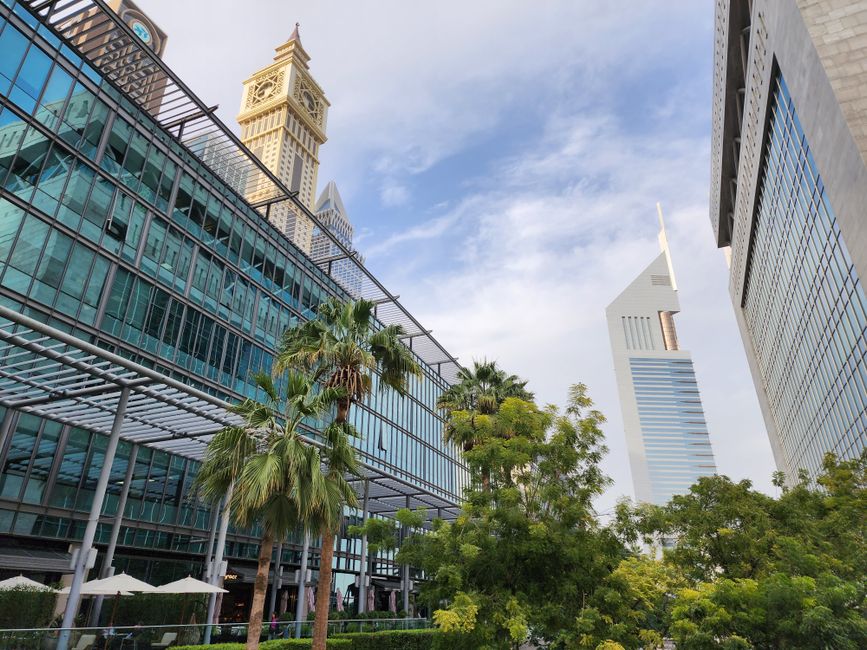
Regional geopolitical tensions are another persistent cloud. Volatility in Middle Eastern markets, sanctions pressure, and broader trade uncertainty have made institutional investors more cautious. Capital flows into the UAE, while still healthy, have become more selective. Financial institutions clustered in Gate Avenue and the broader DIFC precinct report that deal pipelines, especially cross-border transactions, have thinned considerably compared to the bullish environment of 2023–2024.
The talent retention challenge compounds these difficulties. Rising living costs are pushing mid-to-senior level finance professionals toward other global hubs—Singapore, London, and increasingly, Riyadh—where compensation packages or lower cost bases offer better real returns. Recruitment costs for specialised roles in asset management and private equity have spiked by 15–20 percent.
Yet the narrative is not uniformly bleak. Investors with patient capital and long-term conviction continue to see opportunity in Dubai's diversifying economy, its strategic position, and its regulatory maturity. However, optimism is now tempered by realism. The days of easy returns and unchallenged growth have given way to a more discerning market where due diligence, cost management, and strategic positioning separate winners from the struggling middle.
For Dubai's finance sector to sustain its lustre, stakeholders must address cost pressures head-on and navigate geopolitical uncertainty with transparency and agility.
This article was compiled by AI from the sources linked above and screened before publishing. See our editorial standards.