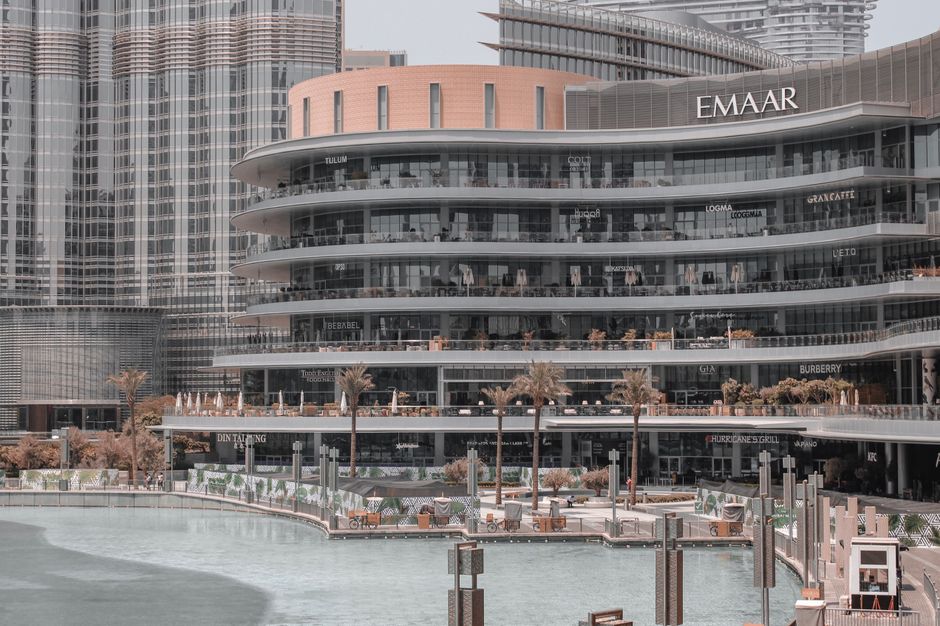
Dubai's restaurant and hospitality industry—which generates an estimated AED 45 billion annually and employs over 180,000 workers—is bracing for turbulent times as global geopolitical tensions ripple through supply chains, labour markets, and tourist arrivals.
The impacts are already visible along the emirate's most vibrant dining corridors. In the DIFC and Downtown Dubai, where premium restaurants command average check sizes of AED 250-400 per person, operators report increased pressure on ingredient sourcing. Food imports from Pakistan, Iran, and Eastern Europe—historically critical suppliers of fresh produce, spices, and speciality goods—face delays and cost volatility. One establishment in Jumeirah recently absorbed a 12 per cent increase in sourcing costs for Middle Eastern ingredients alone, forcing difficult menu pricing decisions in a competitive market.
Labour availability presents another headwind. Hospitality venues across Dubai Marina, Business Bay, and Al Barsha rely heavily on migrant workers from South Asian nations and the Levantine region. Recent geopolitical developments have disrupted recruitment pipelines and visa processing, with some operators reporting 15-20 per cent longer hiring timelines compared to 2024 levels.
Tourism patterns are equally unpredictable. While the UAE's diplomatic positioning insulates it from the worst effects, hospitality leaders report increased caution among travellers from North America and parts of Europe. Hotel occupancy across the Burj Khalifa district remains robust, but mid-tier establishments report softer booking curves—particularly in the discretionary fine-dining segment. Casual dining concepts in Mall of the Emirates and Ibn Battuta Mall have proven more resilient, suggesting consumers are trading down.
The flight disruptions and uncertainty affecting Middle Eastern and Iranian airspace have also complicated logistics. Ingredient delivery times from Mumbai to Dubai, normally 4-6 days, now stretch to 8-10 days, straining inventory management for restaurants maintaining carefully calibrated fresh-produce systems.
Yet the sector is adapting. Forward-thinking operators are diversifying suppliers, investing in local sourcing relationships with UAE producers, and renegotiating contracts to absorb volatility. Some establishments are pivoting menu strategies to emphasise locally-sourced offerings—a shift that also appeals to increasingly conscious consumers.
The Dubai Chamber of Commerce forecasts that while the sector will remain fundamentally resilient due to the emirate's diversified visitor base and strong domestic demand, profitability margins will compress by 3-5 per cent through 2027 for operators without supply chain flexibility. The message for Dubai's hospitality sector is clear: adaptability, not growth, is the watchword.
This article was compiled by AI from the sources linked above and screened before publishing. See our editorial standards.