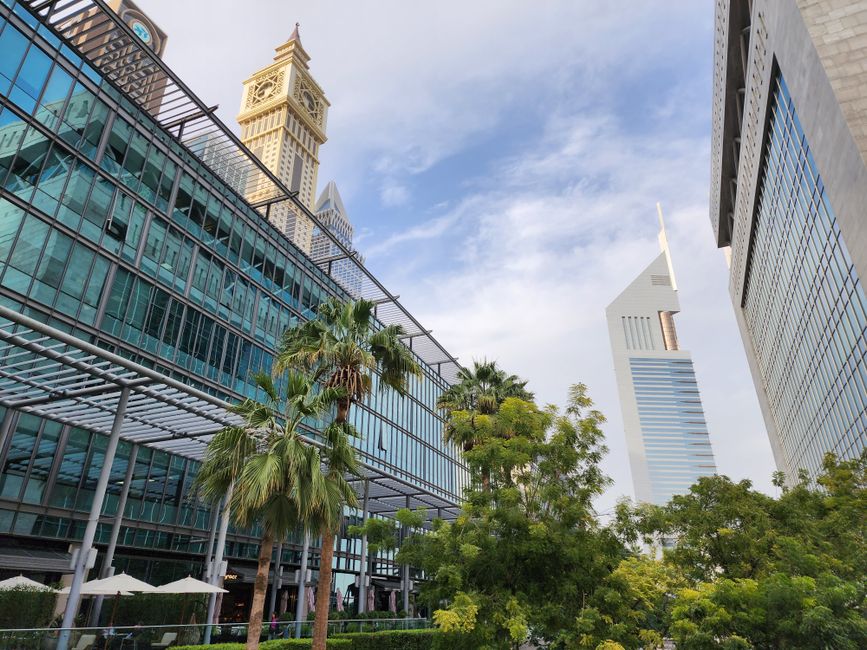
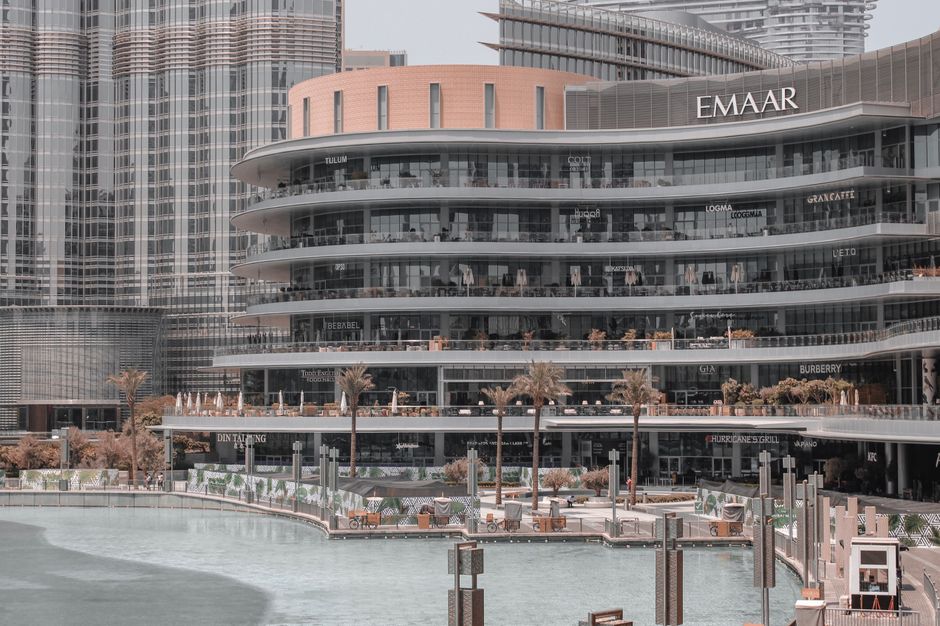
Dubai's office market is experiencing a renaissance that few residents fully understand, yet nearly everyone will feel its effects. With prime commercial space in Downtown Dubai now commanding rents exceeding AED 250 per square foot annually—up significantly from pre-pandemic levels—landlords and developers are reshaping entire neighbourhoods, creating ripple effects across residential real estate that matter far more to your wallet than you might realise.
The surge stems partly from international companies relocating regional headquarters to the Emirates, drawn by Dubai's tax advantages, regulatory framework, and position as a gateway to Asian and African markets. Over the past 18 months, major firms have expanded operations across Business Bay and the Dubai International Financial Centre, absorbing available space at premium rates. This commercial confidence has a direct consequence: landlords are capitalizing on rising property values by converting mixed-use buildings or redeveloping residential-adjacent properties for commercial use.
Consider what's happening in neighbourhoods like Jumeirah Lake Towers and Dubai Marina. As commercial developers eye these areas for office conversions and new commercial towers, residential supply tightens. Fewer apartments means higher rents for everyone else. The average one-bedroom apartment in areas bordering commercial zones has seen rental increases of 8-12 percent year-on-year, according to local property analysts.
But there's a second-order effect many residents miss: infrastructure strain. New office developments attract workers, commuters, and service providers. Traffic on Sheikh Zayed Road and around DIFC has intensified noticeably. Public transport and parking demand have surged. These aren't abstract economic trends—they affect your daily commute, school runs, and quality of life.
For renters specifically, the message is sobering. Commercial property appreciation signals investor confidence in Dubai's long-term stability, which is positive overall. However, it also means landlords view residential portfolios increasingly as stepping stones to commercial redevelopment or as secondary income streams they can afford to raise rents on. If you're in a lease renewal cycle, expect modest-to-significant increases, particularly if your apartment is in a neighbourhood deemed commercially strategic.
Prospective movers should factor in neighbourhood trajectory. Areas directly adjacent to major commercial zones—Deira, Bur Dubai, parts of New Dubai—face faster rent escalation but also benefit from improved amenities and infrastructure. More established residential areas like Arabian Ranches or Meadows offer stability, though at premium starting prices.
The bottom line: Dubai's commercial boom is real and economically healthy, but residents shouldn't assume they're insulated from its consequences. Monitor your lease renewal dates, understand your neighbourhood's zoning plans, and recognize that residential property increasingly orbits commercial property dynamics. Your rent depends on it.
This article was compiled by AI from the sources linked above and screened before publishing. See our editorial standards.