The past 18 months have reshaped how multinational corporations view their global operations, and nowhere is that shift more visible than in Dubai's job market. Driven by geopolitical tensions, trade route uncertainties, and the emergence of new economic partnerships across Asia, Africa and Latin America, international businesses are competing fiercely for a specialized talent pool that understands both logistics complexity and regional nuance.
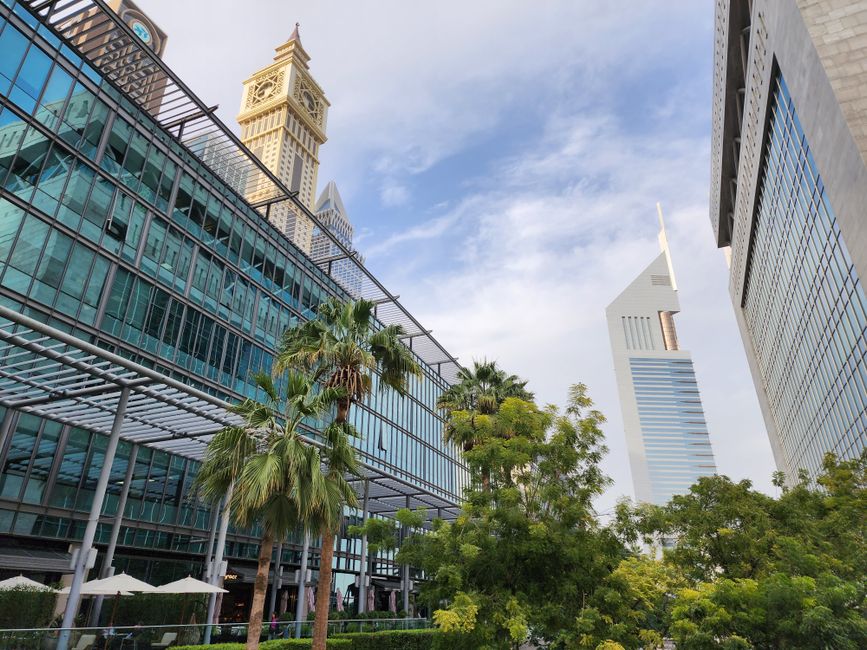
The trend is unmistakable in areas like DIFC and along Sheikh Zayed Road, where recruitment agencies report a 34 percent year-on-year increase in vacancies for supply chain managers, trade compliance officers, and emerging-market strategists. "We're seeing roles that didn't exist three years ago," says the hiring sector, with companies seeking professionals who can navigate shifting tariff regimes and alternative shipping corridors.
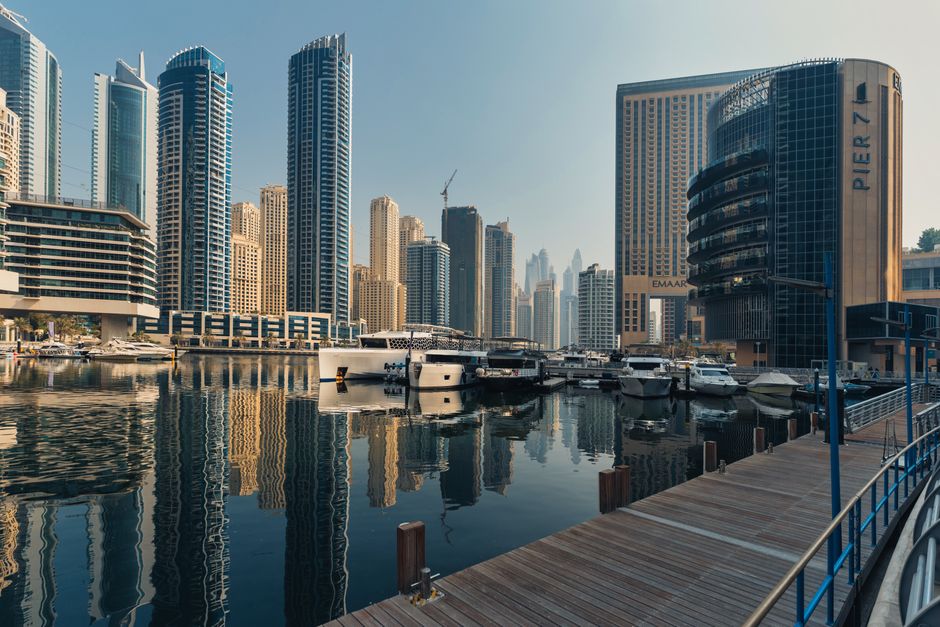
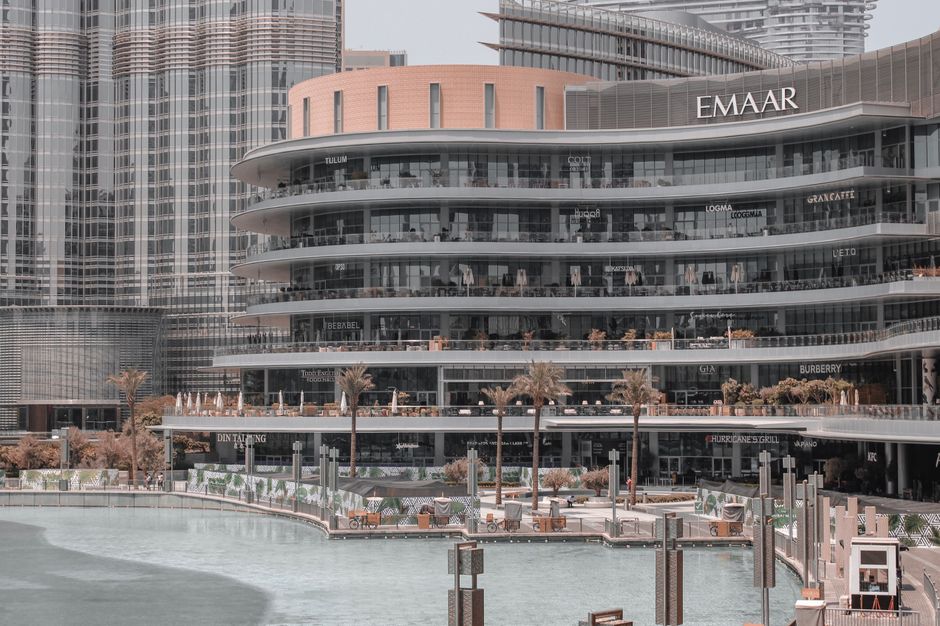
Major trading firms headquartered in Dubai Marina and Jebel Ali port zones are aggressively recruiting from markets including South Asia, sub-Saharan Africa, and Southeast Asia—regions that have become critical to reconfigured supply networks. Salary packages for senior logistics roles have climbed 22 percent since early 2025, according to regional recruitment benchmarks, with experienced supply chain directors commanding annual packages between AED 450,000 and AED 700,000 in prime locations like Downtown Dubai.
The pressure extends beyond traditional trading houses. Tech companies in Dubai Silicon Oasis are hiring data analysts specialized in tracking trade flow patterns and geopolitical risk. Financial services firms along DIFC's Gate Avenue are recruiting specialists in trade finance and currency hedging. Even hospitality and construction sectors are seeking procurement professionals who understand diversified sourcing strategies.
For job seekers, the opportunity is real but competitive. Employers increasingly demand multilingual capabilities—Mandarin, Spanish, Portuguese, and Arabic combinations are particularly valued. Experience in emerging markets carries significant premium, as does familiarity with regulatory frameworks in multiple jurisdictions. Entry-level positions in trade operations now routinely require prior exposure to at least two major trading zones.
The shift also reflects Dubai's own strategic positioning. As a global crossroads historically dependent on connectivity, the emirate benefits when companies hedge their geographic exposure. Firms establishing regional hubs here need local talent that understands both Emirati business culture and international trade mechanics.
However, the rapid transformation presents challenges. Universities and vocational institutes in the UAE are struggling to produce graduates fast enough to meet demand. Relocation packages for experienced professionals from competing hubs like Singapore and Hong Kong have become increasingly generous, intensifying a regional talent war that shows no signs of cooling.
This article was compiled by AI from the sources linked above and screened before publishing. See our editorial standards.