What Dubai Residents Really Need to Know About Rising Costs in Dining and Retail
As inflation reshapes menus and pricing strategies across the emirate, here's how the shift affects your wallet and where smart shoppers are adapting.
As inflation reshapes menus and pricing strategies across the emirate, here's how the shift affects your wallet and where smart shoppers are adapting.
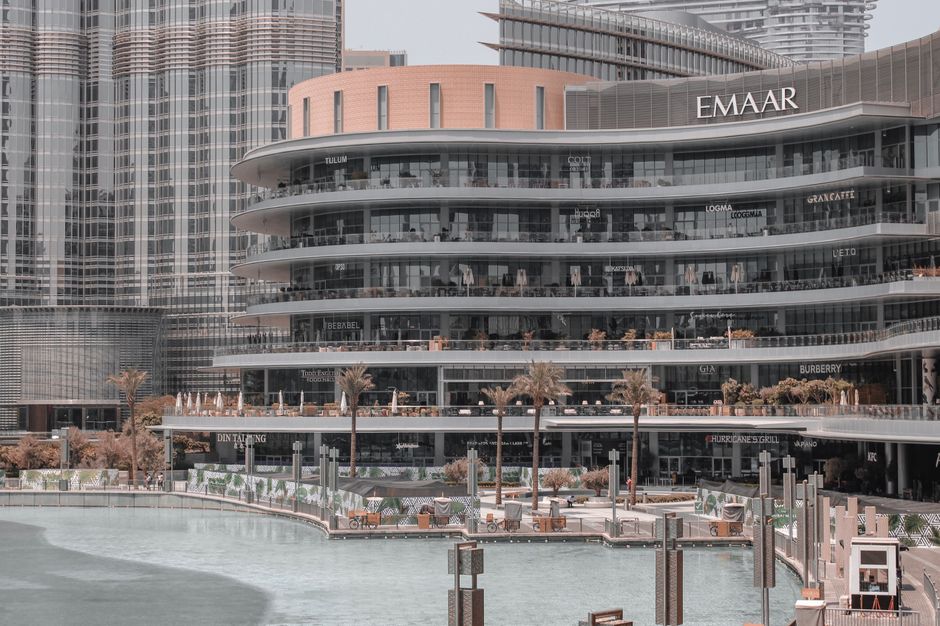
Walk down the Boulevard at the Emaar Boulevard or through the Old Town's retail corridors, and you'll notice something unmistakable: price tags are climbing. For Dubai's diverse resident population—from young professionals to established families—understanding the forces reshaping the retail and hospitality landscape isn't just about budgeting. It's about navigating a market that's fundamentally shifting beneath our feet.
The numbers tell a clear story. Recent data suggests that dining costs in Dubai's mid-range establishments have increased by 8 to 12 per cent year-on-year, with particular pressure in areas like Downtown Dubai, Jumeirah, and emerging foodie hubs like Alserkal Avenue in Al Quoz. A casual meal that cost 85 dirhams two years ago now regularly fetches 95 to 105 dirhams. Premium venues around Business Bay and near the Marina have seen even steeper adjustments, with tasting menus and fine dining experiences climbing into previously uncharted price territory.
What's driving this? Import costs, labour expenses, and supply chain pressures remain elevated. But there's more: hospitality operators are also absorbing infrastructure investments and adapting to stricter sustainability standards—costs that ultimately flow to consumers. Retail operators, meanwhile, are managing similar pressures. Fashion and homeware retailers in the Dubai Mall and Deira's traditional souks report higher inventory costs, though competitive pressure keeps clothing relatively stable compared to specialised goods and dining.
The real story for residents is adaptation and opportunity. Smart consumers are shifting habits. Lunch deals and off-peak dining packages have become increasingly popular across Sheikh Zayed Road establishments. Supermarket shopping—particularly at venues like Carrefour and Lulu Hypermarket branches across Dubai—offers better value than restaurant equivalents for basics. Neighbourhood gems in Satwa, Karama, and Bur Dubai continue offering excellent value, often overlooked by those fixated on branded destinations.
Delivery services, once a premium convenience, are becoming strategic for budget-conscious diners managing portion sizes and frequency. Similarly, residents are exploring retail alternatives: independent boutiques in the Design District are offering curated goods at competitive prices compared to mall anchors.
The hospitality and retail sectors remain healthy—Dubai's tourism figures and consumer confidence suggest genuine underlying strength. But for everyday residents, the shift demands smarter choices. The message isn't dire; it's pragmatic. Understanding where inflation bites hardest helps you make informed decisions about where to splurge and where efficiency matters most.
This article was compiled by AI from the sources linked above and screened before publishing. See our editorial standards.
How does this story make you feel?
Spread the word
About this article
Published by The Daily Dubai
Daily brief
Free, in your inbox before 7am. Weekdays.
More in Business