Dubai's Tourism Economy: Reading the Signals Behind Record Visitor Numbers
New investment metrics reveal how global traveller flows are reshaping real estate, hospitality and retail across the emirate.
New investment metrics reveal how global traveller flows are reshaping real estate, hospitality and retail across the emirate.
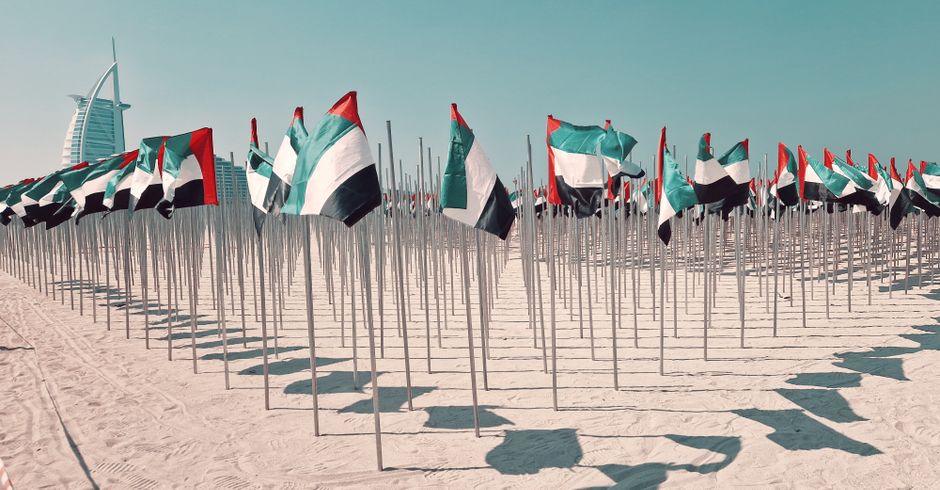
Dubai's visitor economy is sending unmistakable signals to investors. With over 16 million international arrivals projected for 2026, the tourism sector is generating measurable ripple effects across property markets, hospitality development and consumer spending—and savvy capital is following the data.
The economic indicators tell a precise story. Hotel occupancy rates along Sheikh Zayed Road and in the Downtown Dubai cluster remain consistently above 85 per cent, a benchmark that typically triggers new supply investment. More tellingly, average daily room rates have climbed to AED 650–750 in four-star properties, up from AED 580 two years ago. This price resilience—even as new hotel keys enter the market—suggests genuine demand elasticity rather than speculative growth.
Real estate investment flows reflect this confidence. Commercial office space in the Dubai International Financial Centre (DIFC) is attracting regional hospitality management firms and tour operators seeking proximity to decision-makers. Residential property in areas like Jumeirah and the Downtown core continues commanding premium valuations, supported by the rental yields tourism-adjacent markets generate. Short-term rental platforms report average monthly revenue of AED 8,000–12,000 for one-bedroom apartments in high-traffic zones—attractive enough to channel institutional investment into serviced residences.
The retail sector provides another transparency window. Footfall data from The Dubai Mall and Mall of the Emirates show 40 per cent of peak-season visitors are international travellers, driving luxury goods sales and mid-market fashion purchases. Merchants report that June-to-August shoulder periods now rival December trading, a seasonal shift reflecting expanded air connectivity and emerging market tourism growth.
Investment banks tracking Gulf hospitality see Dubai's diversification strategy paying dividends. The city is no longer dependent on winter tourism. Direct foreign investment in hospitality infrastructure—hotels, attractions, transport hubs—reached USD 2.3 billion in 2025, with project pipelines extending to 2028. Institutional investors are backing hotel management companies, not just buying bricks and mortar.
Labour market data strengthens the case further. Tourism and hospitality employment surpassed 380,000 in 2026, a 12 per cent annual increase. Salary inflation in the sector outpaces broader averages, signalling tight labour markets and robust margins.
The takeaway for investors: Dubai's tourism numbers aren't merely vanity metrics. They correlate tightly with measurable investment returns across multiple asset classes. As geopolitical uncertainty unsettles other regional markets, the emirate's transparent, data-driven visitor economy remains a bellwether for capital seeking clarity and yield.
This article was compiled by AI from the sources linked above and screened before publishing. See our editorial standards.
How does this story make you feel?
Spread the word
About this article
Published by The Daily Dubai
Daily brief
Free, in your inbox before 7am. Weekdays.
More in Business


