The Dubai business landscape is experiencing a subtle but significant recalibration. While the emirate continues to attract international investment at a robust pace, recent market trends suggest that both established enterprises and emerging startups need to rethink their financial strategies for the remainder of 2026.
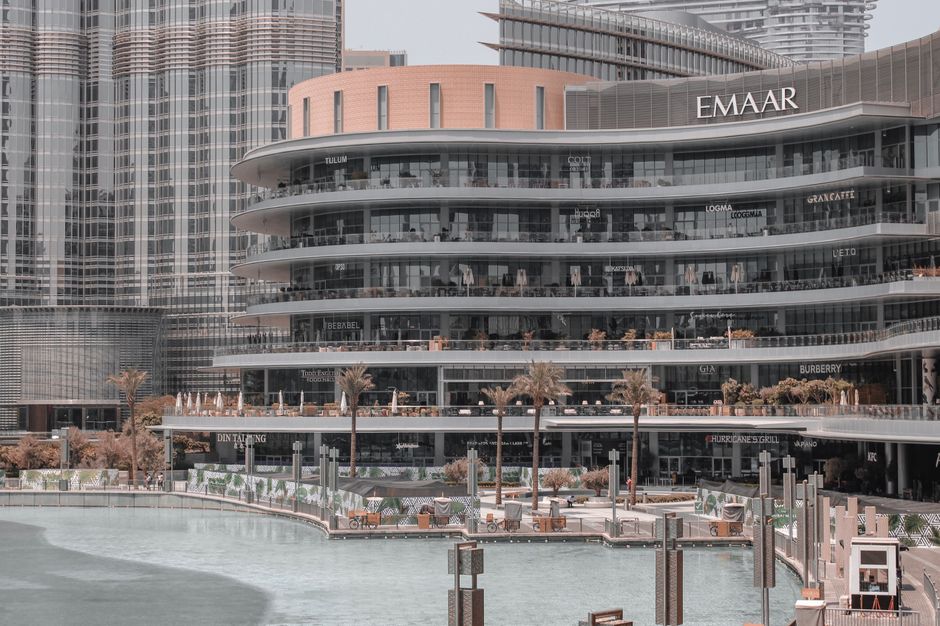
Commercial real estate in the Business Bay and Downtown Dubai corridors has stabilised after two years of rapid appreciation. Grade-A office space now commands approximately AED 200-250 per square foot annually—a plateau that's forcing companies to optimise their workspace allocation rather than expand footprints. Meanwhile, retail rents along the Sheikh Zayed Road and around the Dubai Mall have compressed by 8-12 per cent as e-commerce continues to reshape consumer spending patterns. For businesses traditionally dependent on foot traffic, this represents both a challenge and an opportunity to negotiate better lease terms.
The cost of living for Dubai's expatriate workforce—which comprises roughly 88 per cent of the emirate's population—remains elevated. A family budget of AED 15,000-20,000 monthly for middle-income households reflects sustained pressure on accommodation, education, and childcare expenses. This has prompted forward-thinking employers across Dubai Healthcare City, the Dubai Internet City cluster, and Jumeirah's hospitality sector to revisit compensation structures and employee benefit packages to maintain talent retention.
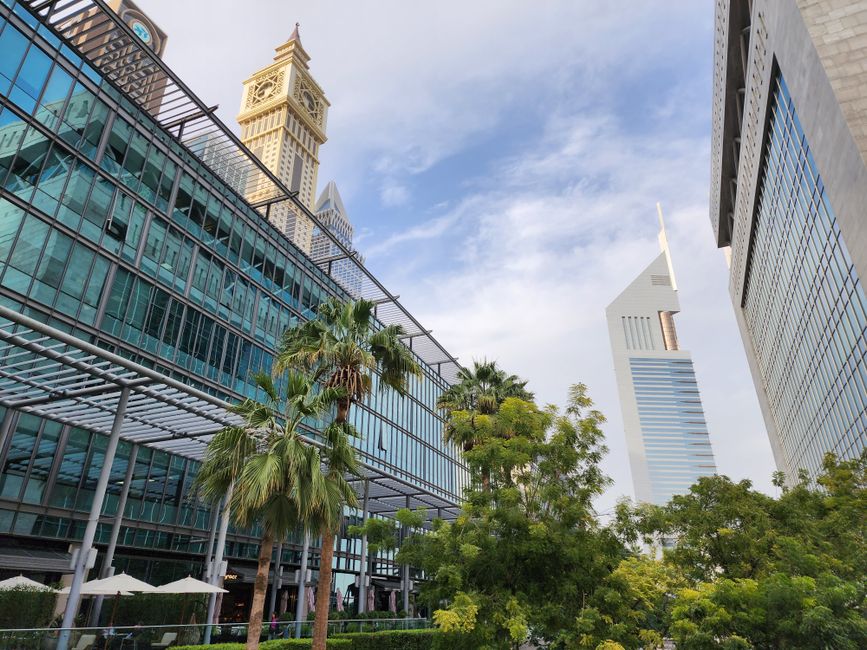
Foreign direct investment flows have shown interesting patterns. While traditional sectors like real estate and hospitality attract steady capital, fintech and digital transformation initiatives are drawing unprecedented institutional attention. The DIFC (Dubai International Financial Centre) has reported a 23 per cent increase in licensing applications from blockchain and AI-focused enterprises compared to last year, signalling a sector-wide pivot toward innovation-driven investment.
Banking institutions and wealth management firms headquartered in and around the DIFC are cautiously navigating geopolitical uncertainties affecting regional stability. Liquidity management has become paramount, with several major local and international banks adjusting their regional exposure strategies. Meanwhile, family offices—a significant wealth management segment in Dubai—are diversifying away from concentrated real estate holdings toward mixed portfolios spanning technology, healthcare, and renewable energy.
For small and medium enterprises operating across Dubai's various free zones and commercial districts, the message is clear: operational efficiency and financial agility are no longer optional. Rising employment costs, coupled with moderate rental stabilisation, mean that margin improvement must come from productivity gains and strategic market positioning rather than volume expansion alone.
Businesses looking ahead should monitor currency fluctuations, particularly the AED's peg to the US dollar, which influences import costs and export competitiveness. As geopolitical tensions persist globally, Dubai's position as a neutral trading hub becomes increasingly valuable—but only for companies prepared to execute with precision and foresight.
This article was compiled by AI from the sources linked above and screened before publishing. See our editorial standards.