Dubai's office market is experiencing a subtle but significant recalibration as geopolitical headwinds reshape corporate decision-making across the globe. The anticipated U.S.-Iran negotiations and ongoing regional tensions are prompting multinationals to reassess their Middle East footprints, directly influencing demand for premium workspace in the emirate's key business districts.
Data from leading commercial real estate advisors suggests that while Downtown Dubai and the Business Bay remain competitive, occupancy patterns have shifted markedly in the past eighteen months. Some Fortune 500 firms have consolidated operations or adopted hybrid models, reducing their appetite for sprawling floor plates in iconic towers along Sheikh Zayed Road. Average office rents in prime locations have stabilized at AED 150-200 per square metre annually, a plateau that reflects cautious corporate sentiment rather than the growth trajectory seen pre-2024.
The broader geopolitical picture—compounded by economic volatility affecting major trading partners including Pakistan and Venezuela—has accelerated a strategic realignment. Companies operating in sectors ranging from financial services to logistics are conducting deeper due diligence on their Middle East operations. Some are maintaining skeleton crews in Dubai while scaling back expansion plans. Others are exploring alternative regional hubs, though Dubai's established infrastructure, regulatory stability, and zero corporate income tax continue to anchor confidence.
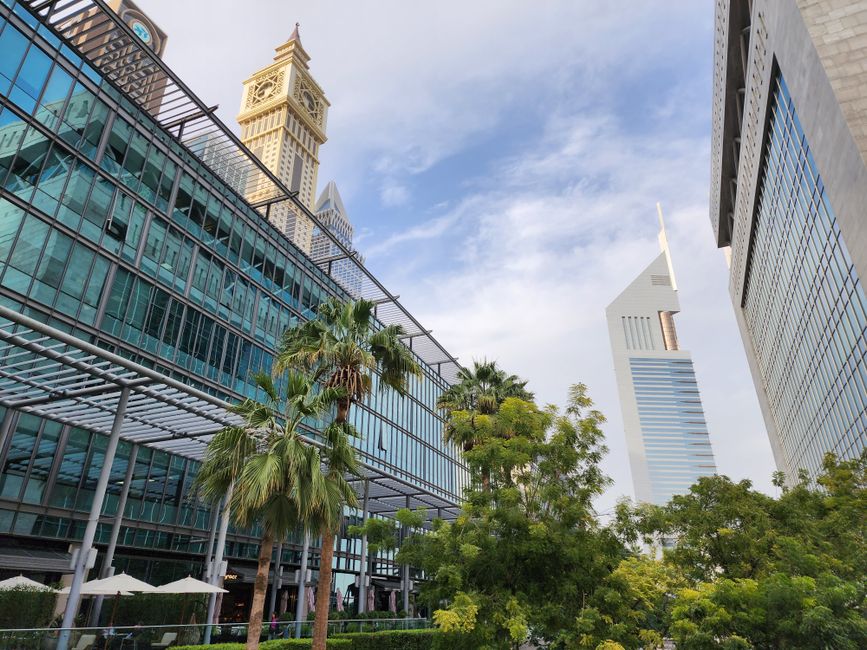
"The market is bifurcated," explains the commercial property landscape here. Premium Grade-A offices in sought-after nodes like Emirates Towers and the DIFC continue to attract quality tenants, but secondary markets in areas such as Deira and Bur Dubai face headwinds. Coworking spaces and flexible office solutions have gained traction as firms hedge their bets, with providers reporting steady demand from smaller firms and startups unwilling to commit to long-term leases.
International uncertainty has also emboldened landlords to sharpen their value propositions. Properties offering enhanced security infrastructure, redundant connectivity, and green credentials are commanding premiums. Several major developments have accelerated sustainability certifications and upgraded facilities to appeal to ESG-conscious corporate tenants increasingly sensitive to operational risk.
For Dubai's commercial property sector, the message is clear: global stability directly translates to local demand. While the emirate's diversified economy and business-friendly environment provide resilience, the office market remains tethered to international confidence cycles. Smart investors and operators are positioning themselves to capitalize on longer-term structural demand while navigating near-term volatility with realistic pricing and flexible lease terms.
This article was compiled by AI from the sources linked above and screened before publishing. See our editorial standards.