What Every Dubai Resident Should Know About Rising Food and Hospitality Costs This Summer
As temperatures soar and tourism peaks, prices across F&B venues are climbing—here's what's driving change and where savvy consumers can adapt.
As temperatures soar and tourism peaks, prices across F&B venues are climbing—here's what's driving change and where savvy consumers can adapt.
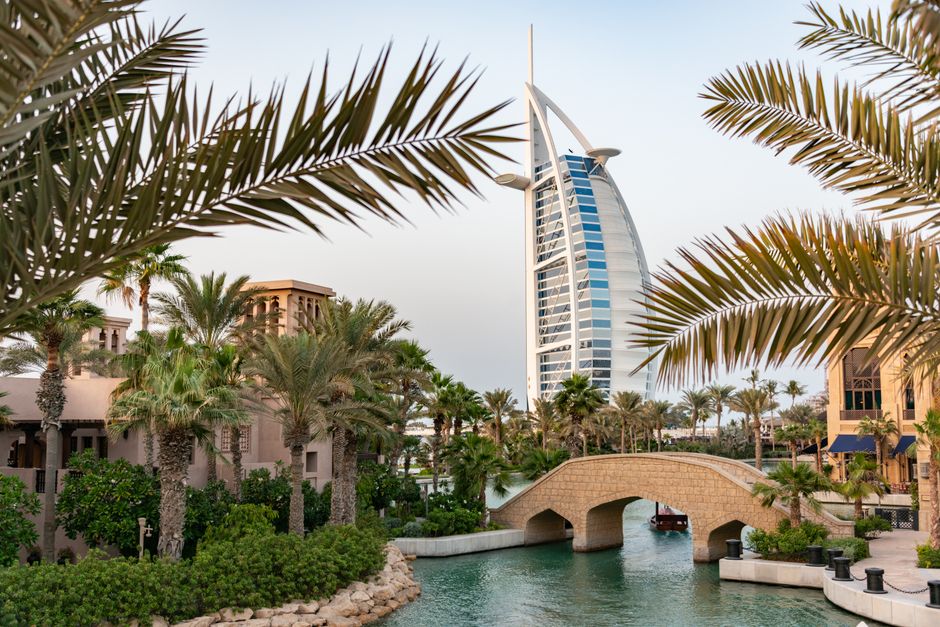
Dubai's food and hospitality sector is experiencing a pronounced shift in pricing dynamics as we enter the peak summer season, and residents should understand the forces reshaping their dining and leisure experiences across the emirate.
Industry data from major hospitality operators suggests that average meal costs at mid-range establishments across Dubai Marina, Downtown Dubai, and Deira have increased between 8-12% compared to the same period last year. This uptick reflects a combination of factors: elevated energy costs needed to maintain air conditioning in extreme heat, increased importation expenses for fresh produce, and higher staffing premiums during the busy summer tourism season.
The casual dining segment—particularly along Sheikh Zayed Road and in Business Bay—has seen notable menu restructuring. Several established venues have introduced smaller portion sizes at previous price points rather than openly raising prices, a strategy that effectively increases per-unit costs for consumers. Fine dining establishments in areas like the Emirates Hills and Downtown have generally adopted more transparent price increases, ranging from 10-15%, while quick-service restaurants in Deira and Bur Dubai have remained relatively stable, offering value-conscious alternatives.
For everyday residents, several practical considerations emerge. Supermarket food prices, particularly for imported items at Spinneys and Carrefour locations across the city, have risen 6-8% year-on-year. Fresh produce sourced locally through the Dubai Municipality's farmers markets remains comparatively affordable and supports budget management. Coffee culture—integral to Dubai's daily rhythm—has seen premium café chains in Jumeirah and The Beach increase prices by AED 2-4 per cup, while independent cafés in older neighbourhoods maintain lower margins.
The hospitality sector's staffing situation also warrants attention. Many establishments are experiencing higher turnover during summer, occasionally affecting service consistency. Residents may notice extended wait times at popular venues during peak dining hours, particularly in high-traffic zones like The Dubai Mall and Ibn Battuta Mall.
Looking forward, industry analysts suggest prices may stabilize in autumn when tourism normalizes and energy demands decrease. Smart consumers should consider dining during off-peak hours to access promotional menus, explore emerging neighbourhood spots in Al Quoz and Satwa for value-driven experiences, and leverage loyalty programmes at major hospitality groups for meaningful savings.
Understanding these trends helps residents make informed choices about where and when to dine, ensuring they navigate Dubai's evolving F&B landscape without compromising their budgets or leisure experiences.
This article was compiled by AI from the sources linked above and screened before publishing. See our editorial standards.
How does this story make you feel?
Spread the word
About this article
Published by The Daily Dubai
Daily brief
Free, in your inbox before 7am. Weekdays.
More in Business


