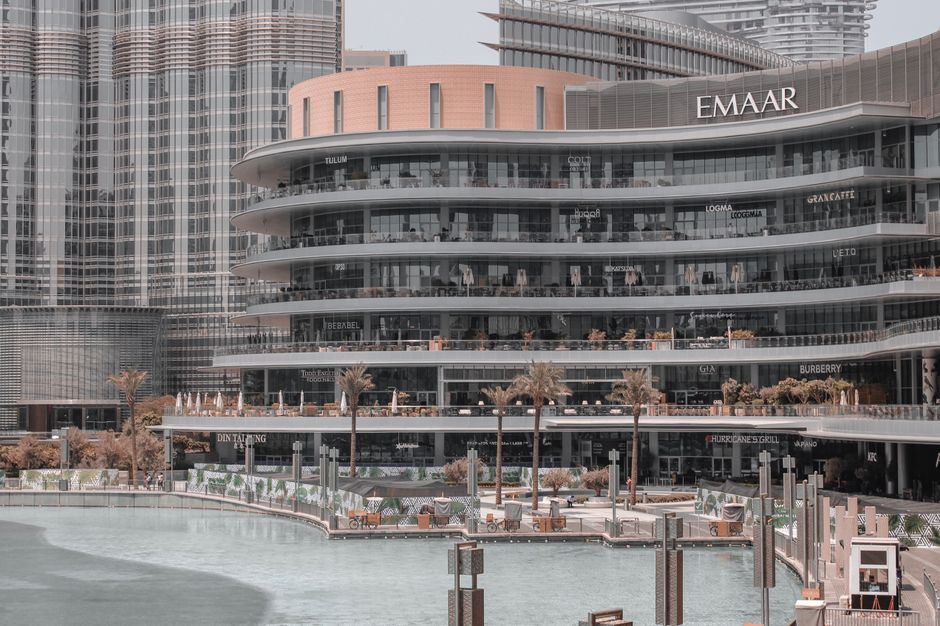
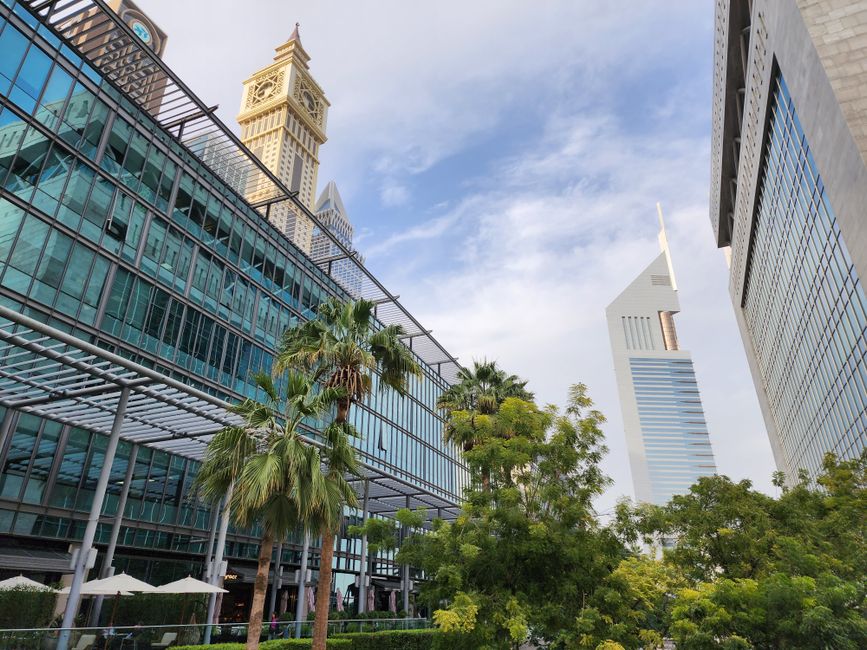
Dubai's economy is sending mixed signals in mid-2026, and parsing them requires understanding the mechanics driving both opportunity and affordability challenges across the emirate. Recent foreign direct investment (FDI) figures show capital flooding into tech hubs along the Dubai Silicon Oasis and real estate projects in Downtown Dubai, yet simultaneously, residents are grappling with elevated housing costs and everyday expenses.
Investment flows into the UAE have accelerated, with venture capital activity in fintech and logistics clustering around Emirates Financial Towers and the Dubai International Financial Centre (DIFC) reaching levels not seen since 2021. This capital inflow typically signals confidence in economic fundamentals—regulatory stability, infrastructure maturity, and talent availability. However, these same forces driving investor enthusiasm have bidirectional effects on cost of living.
Real estate provides the clearest example. Villa prices in Emirates Hills and townhouses in Town Square have appreciated steadily, reflecting strong foreign buyer interest and limited supply. Meanwhile, rental yields in mid-market segments—one-bedroom apartments in Jumeirah Lake Towers, for instance—remain compressed, creating affordability pressure for middle-income earners. Property consultants tracking the market note that while transaction volumes signal healthy demand, price-to-income ratios have widened, particularly in family-sized accommodation.
Broader inflation metrics paint a nuanced picture. While headline inflation has moderated compared to 2023–2024 spikes driven by utilities and groceries, core services—education, healthcare, and transportation—continue tracking upward. A family budgeting for private schooling on Sheikh Zayed Road or healthcare at major networks can expect annual cost increases of 4–6 percent. Grocery prices at retailers like Spinneys and Carrefour in Deira and Al Barsha reflect both local demand pressures and global commodity volatility.
The currency dimension matters too. With the dirham pegged to the US dollar, interest rate decisions by the US Federal Reserve directly influence borrowing costs for mortgages and business loans. Recent Fed policy shifts have cascaded through Dubai's lending markets, affecting monthly repayments and project financing across the construction and hospitality sectors.
For investors, these crosscurrents create opportunity within discipline. Sectors attracting capital—renewable energy projects, artificial intelligence applications, and logistics automation—offer growth potential. Yet timing matters. Asset prices reflect optimism already; identifying undervalued opportunities requires distinguishing between hype and fundamentals.
The bottom line: Dubai's investment dynamics and cost pressures are two sides of the same coin—capital seeking returns pushes up asset prices, while robust economic activity anchors confidence. Understanding this interplay helps residents and investors navigate decisions from mortgage commitments to portfolio allocation with eyes genuinely open.
This article was compiled by AI from the sources linked above and screened before publishing. See our editorial standards.