Dubai's Retail-Hospitality Crossover Reshapes Market: What Businesses Need to Know Now
As experiential dining and hybrid venues dominate, traditional operators face pressure to adapt or risk losing ground in a rapidly evolving consumer landscape.
As experiential dining and hybrid venues dominate, traditional operators face pressure to adapt or risk losing ground in a rapidly evolving consumer landscape.
Dubai's retail and hospitality sectors are undergoing a fundamental shift that demands urgent attention from business owners and investors. The days of standalone restaurants and conventional shopping experiences are fading fast, replaced by integrated venues that blur the lines between retail, dining, and entertainment—and operators who haven't adapted are already feeling the squeeze.
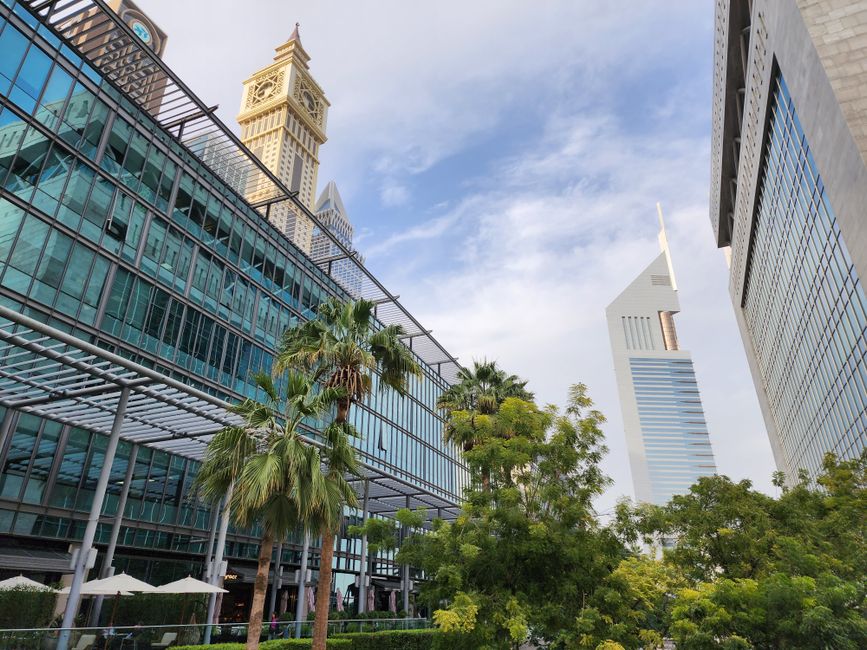
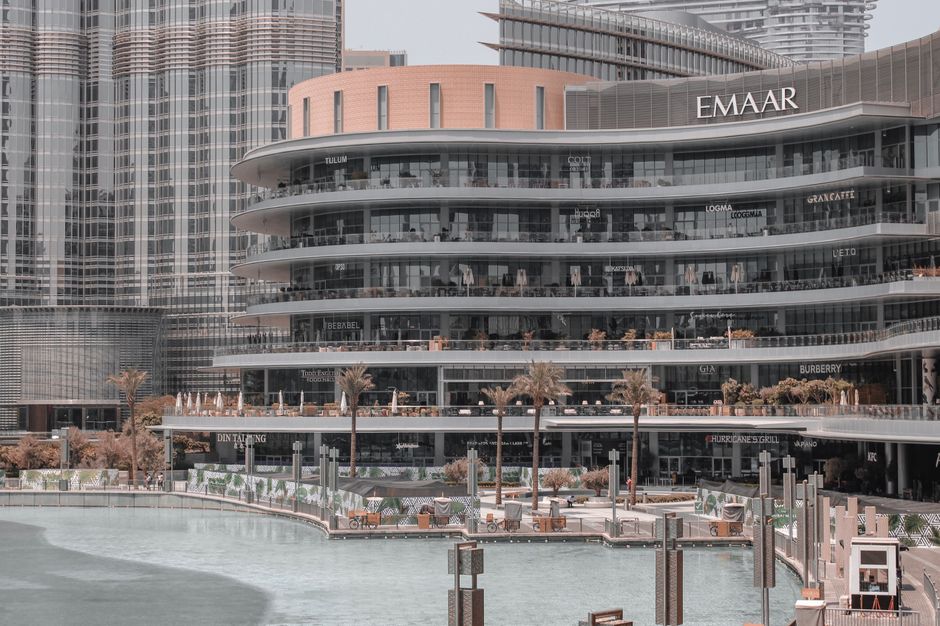
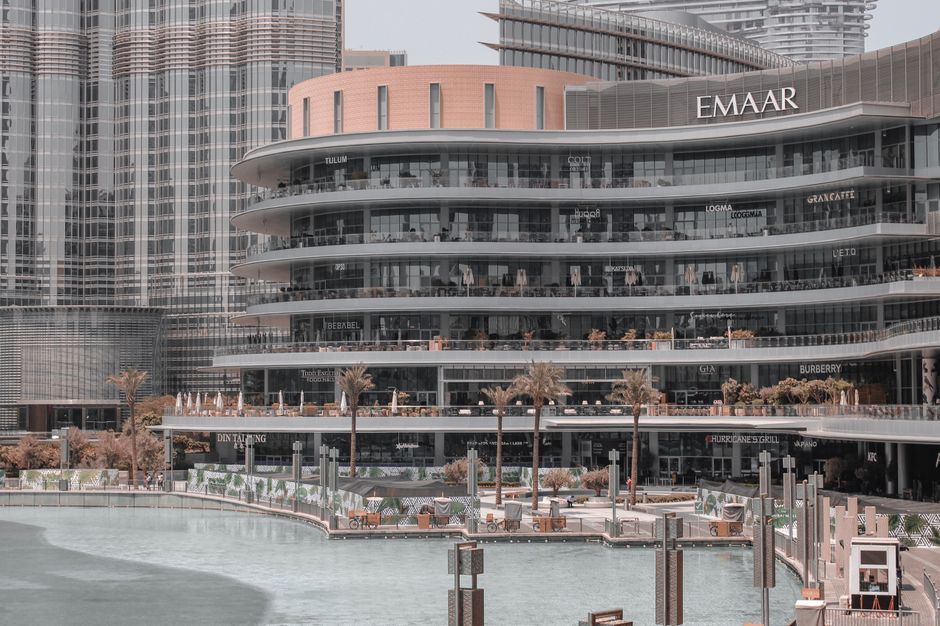
The trend is most visible along DIFC's promenade and in the Jumeirah Bay precinct, where concept stores combining retail with food service are outperforming traditional competitors. Industry data from Dubai Chamber of Commerce suggests that hybrid venues grew footfall by an average of 34 percent year-on-year, while standalone F&B establishments saw modest 8 percent growth. The shift reflects changing consumer behaviour: today's shopper doesn't want to choose between browsing and eating—they expect both seamlessly integrated.
Pricing dynamics are equally significant. Premium dining venues in Business Bay and Downtown Dubai are commanding higher covers, with average spend per customer climbing to AED 280-320 for lunch service, up from AED 220 just eighteen months ago. Yet volume is tightening. Successful operators are compensating through ancillary retail: branded merchandise, takeaway products, and curated goods now represent 15-20 percent of total revenue at leading establishments.
Labour costs remain the sector's most pressing challenge. Hospitality wage pressures persist, with experienced F&B managers commanding between AED 8,000-12,000 monthly—a 12 percent increase since early 2025. Smart operators in areas like Arabian Ranches and Downtown are investing in technology: self-ordering systems, kitchen automation, and AI-driven inventory management are becoming competitive necessities rather than luxuries.
Delivery and logistics have become critical differentiators. Aggregator platforms now drive 28 percent of Dubai's food service revenue, up from 19 percent two years ago. Restaurants without robust delivery infrastructure are losing significant market share to those who've invested in their own dark kitchens and fleet operations.
For retail, the picture is equally challenging. Traditional shopping districts face headwinds from e-commerce competition, but operators embedding food experiences—coffee bars, casual dining, quick-service concepts—are seeing improved retention. The Dubai Mall and Mall of the Emirates have tripled their F&B offerings since 2023.
Sustainability messaging increasingly influences purchasing decisions, particularly among younger demographics concentrated in areas like Dubai Marina and Deira. Businesses promoting locally-sourced ingredients, waste reduction, and ethical sourcing are capturing premium margins and customer loyalty that price-competition alone cannot match.
The takeaway for businesses is clear: integration, technology, and experiential value are no longer optional. The market is rewarding agility; those clinging to traditional models face declining relevance.
This article was compiled by AI from the sources linked above and screened before publishing. See our editorial standards.
How does this story make you feel?
Spread the word
About this article
Published by The Daily Dubai
Daily brief
Free, in your inbox before 7am. Weekdays.
More in Business