As Dubai's visitor economy continues its post-pandemic surge—with nearly 14 million international arrivals recorded last year—a new generation of local entrepreneurs is carving out a distinctive niche beyond the glittering towers and beachfront resorts that define the city's skyline.
One standout operator is leveraging the emirate's vast desert hinterland and deep-rooted Bedouin heritage to create immersive experiences that appeal to the world's most discerning travellers. Based near the Al Marmoom Conservation Reserve, southeast of the city, this venture has positioned itself at the intersection of luxury, sustainability, and authentic cultural exchange—a trifecta increasingly valued by high-net-worth visitors.
The model is straightforward but sophisticated: small-group desert camps featuring custom-built suites with climate control and private infinity pools, paired with curated activities ranging from falconry masterclasses with Emirati instructors to sunrise photography expeditions across the dunes. Pricing starts around 2,500 AED per night, positioning the offering squarely in the ultra-premium bracket, yet occupancy rates have remained consistently strong throughout the year.
What sets this operation apart in Dubai's crowded tourism marketplace is its commitment to partnering directly with local communities. The entrepreneur has established training programmes in nearby villages, ensuring that roles from guiding to culinary preparation flow through the local talent pipeline rather than relying solely on imported hospitality workers. This approach has resonated with corporate retreat planners and incentive travel specialists seeking destinations with genuine cultural authenticity.
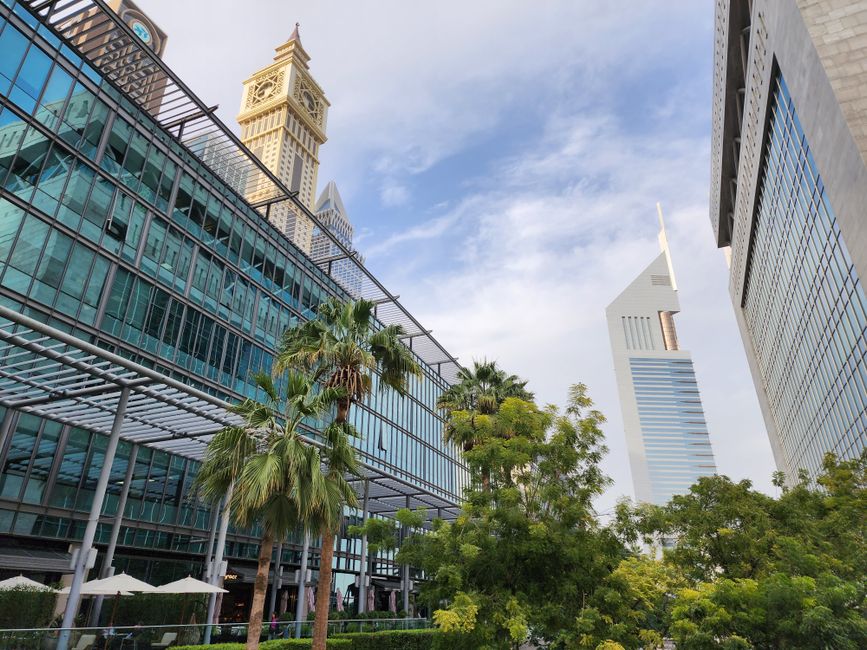
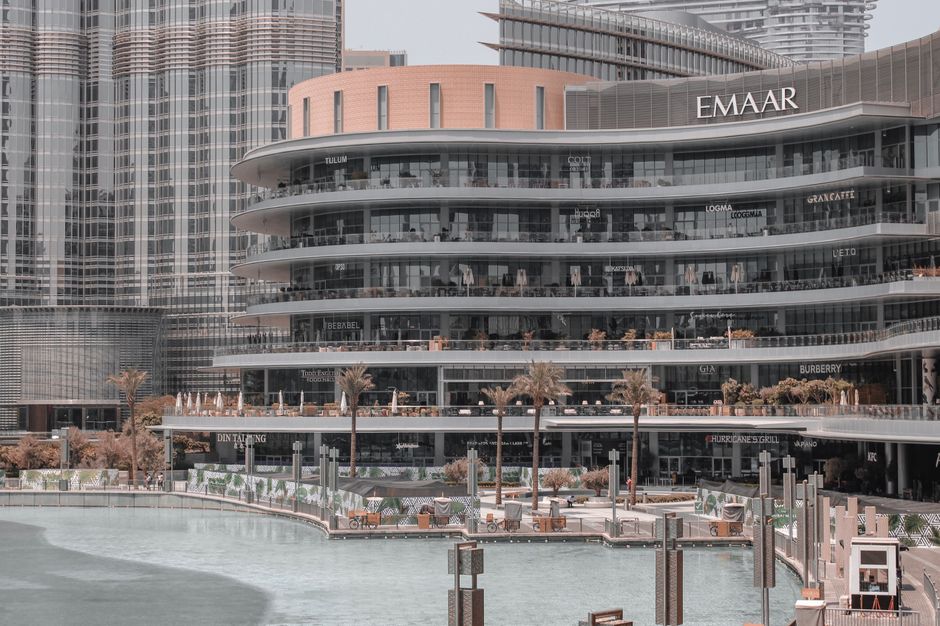
The venture also exemplifies a broader strategic shift within Dubai's visitor economy. While the city remains synonymous with superlative attractions—the Burj Khalifa, the Palm, the Dubai Mall—stakeholders increasingly recognize that sustainable growth requires product diversification and premium positioning. The Department of Tourism and Commerce Marketing has actively encouraged homegrown operators to develop differentiated offerings that extend visitor stays beyond the traditional three-day shopping and beach itinerary.
Early indicators suggest the strategy is working. Average length of stay among luxury segment visitors has ticked upward, and repeat visitation rates among the ultra-high-net-worth demographic have climbed notably. Industry analysts point to this entrepreneur's success as a template: leverage Dubai's geographic and cultural assets, maintain uncompromising quality standards, and build experiences that simply cannot be replicated elsewhere.
As the emirate competes for global travel dollars amid a crowded regional landscape, the message is clear: the future of Dubai's tourism economy may well belong to those brave enough to venture beyond the city limits and bold enough to celebrate what makes the region genuinely distinctive.
This article was compiled by AI from the sources linked above and screened before publishing. See our editorial standards.