Dubai's Job Market Faces Headwinds as Talent Competition and Cost Pressures Bite
Rising operational expenses and intensifying regional competition are forcing employers across the emirate to rethink recruitment and retention strategies in 2026.
Rising operational expenses and intensifying regional competition are forcing employers across the emirate to rethink recruitment and retention strategies in 2026.
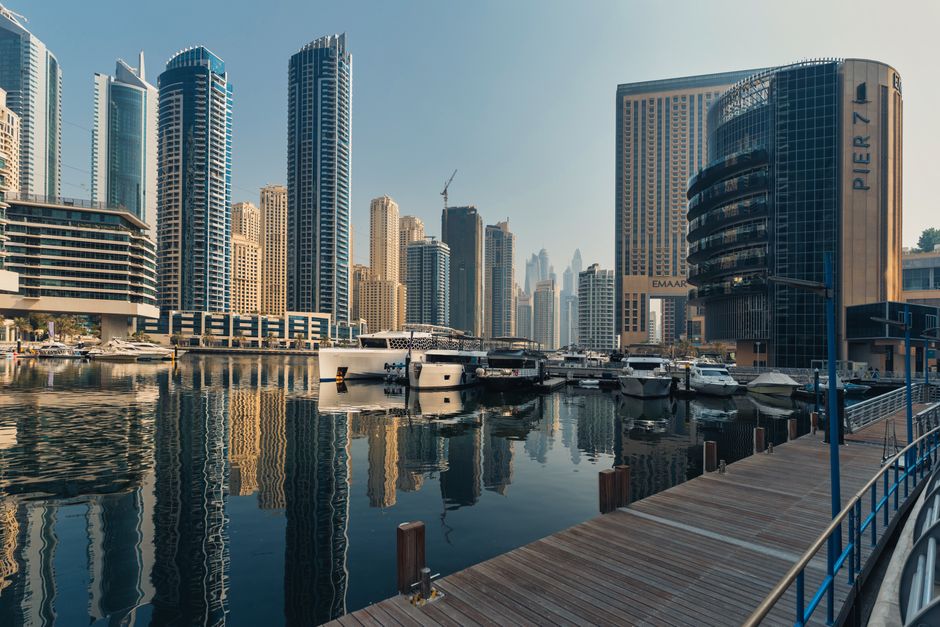
Dubai's employment landscape is navigating a notably turbulent stretch, as businesses across DIFC, Downtown, and beyond grapple with mounting cost pressures and an increasingly fragmented talent pool competing with emerging regional hubs.
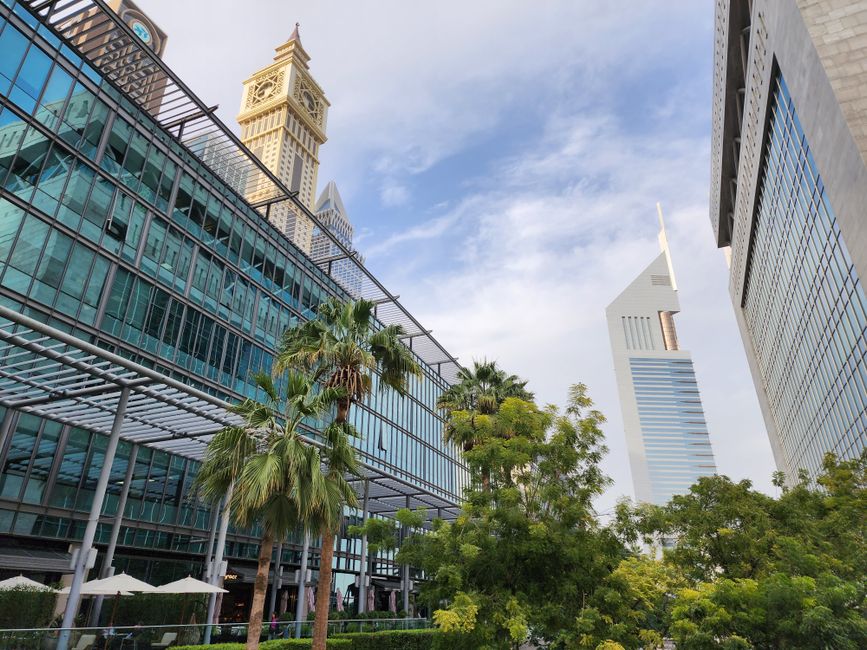
The challenge is particularly acute in financial services, hospitality, and tech sectors—the engines of Dubai's modern economy. Office rental costs in prime locations near DIFC have edged upward 7-9 percent year-on-year, squeezing operational budgets that companies had hoped to allocate toward competitive salaries. Meanwhile, professionals are increasingly exploring opportunities in Riyadh, Abu Dhabi, and Doha, where tax incentives and salary packages have grown more attractive.
"We're seeing candidates with 5-10 years of experience openly shopping their CV across the Gulf," observes recruitment specialists working along Sheikh Zayed Road, where vacancy rates for mid-to-senior roles have stalled compared to previous years. The phenomenon reflects a broader shift: Dubai's traditional appeal as the region's employment epicenter no longer guarantees a deep talent bench.
The visa sponsorship landscape has also tightened. While the UAE's Golden Visa programme expanded pathways for entrepreneurs and investors, it inadvertently created complexity for standard employment visa applications, adding administrative overhead for HR departments already stretched thin. Processing delays at immigration offices have forced some hiring decisions to stretch across quarters rather than months.
Training and upskilling initiatives, once lavishly funded, are being reassessed. Several multinational corporations headquartered in the Marina and Business Bay districts have consolidated learning programmes, signalling caution about long-term headcount expansion. Entry-level hiring—traditionally a bellwether for economic confidence—has softened noticeably across retail, customer service, and hospitality sectors concentrated around Downtown Deira and the hospitality corridors near Jumeirah.
Salary expectations remain a flashpoint. Median salary growth has plateaued at 2-3 percent annually, while inflation and housing costs in sought-after neighbourhoods have outpaced wage increases. This squeeze particularly affects mid-career professionals unable to qualify for premium accommodation allowances.
Yet the outlook is not entirely bleak. Sectors like renewable energy, logistics, and digital transformation continue recruiting, albeit with stricter skill requirements. The message to job seekers is clear: generalist profiles face headwinds, while specialists with data analytics, cybersecurity, or supply-chain expertise remain in demand.
As the year progresses, employers and workers alike are recalibrating expectations. For Dubai's economy, the question is whether the labour market's current friction proves temporary or signals a more fundamental recalibration of the emirate's role in the regional talent competition.
This article was compiled by AI from the sources linked above and screened before publishing. See our editorial standards.
How does this story make you feel?
Spread the word
About this article
Published by The Daily Dubai
Daily brief
Free, in your inbox before 7am. Weekdays.
More in Business