Dubai's Tourism Engine Faces Headwinds as Visitor Economy Stumbles
Rising operational costs, regional volatility and shifting travel patterns are testing the emirate's ability to maintain its position as the Middle East's premier destination.
Rising operational costs, regional volatility and shifting travel patterns are testing the emirate's ability to maintain its position as the Middle East's premier destination.
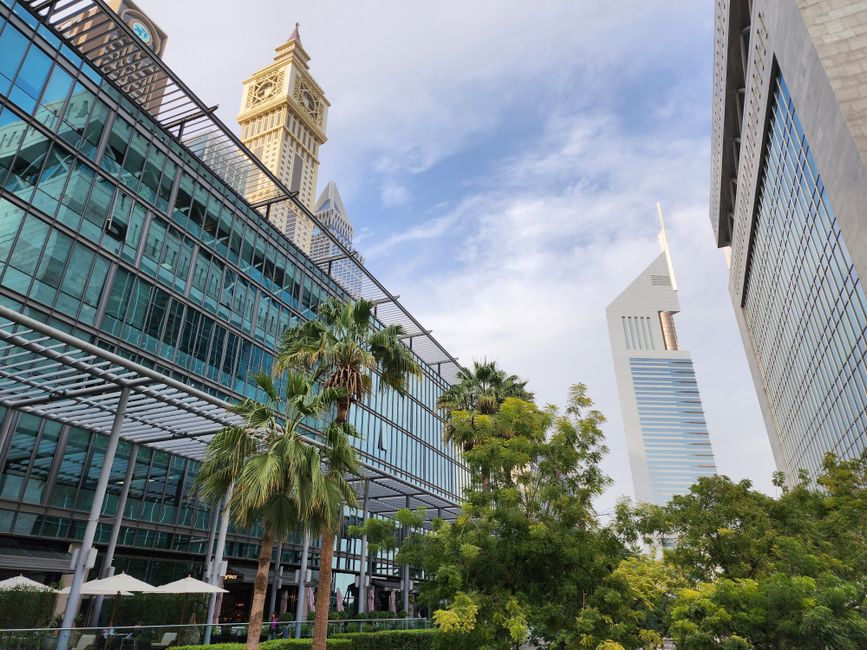
Dubai's visitor economy, long the engine of the emirate's diversification strategy, is encountering unexpected turbulence in 2026. Hotel occupancy rates along Sheikh Zayed Road have softened compared to the same period last year, while average daily rates at four- and five-star properties have compressed under competitive pressure from regional competitors and a broader shift in leisure travel patterns.
The challenges are multifaceted. Regional geopolitical tensions continue to spook international booking patterns, particularly from European and North American markets that traditionally account for significant portions of Dubai's visitor arrivals. Travel insurance costs have risen sharply, and some tour operators report clients postponing or cancelling bookings citing broader Middle Eastern instability—despite the emirate's relative stability and security.
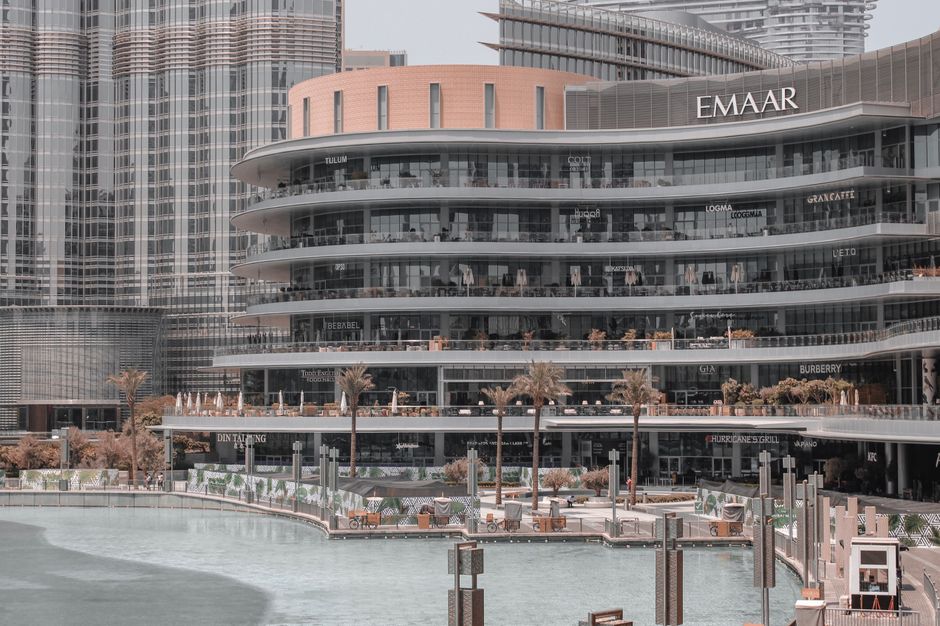
Operationally, the sector faces mounting pressures. Labour costs in hospitality have climbed steadily, with local hospitality unions citing wage and benefits pressures as staffing constraints persist across Downtown Dubai and the Marina. Restaurant and retail operators along the Beach Road corridor report declining foot traffic and reduced average spending per visitor, particularly in discretionary categories like luxury retail and fine dining.
The Expo 2020 legacy has also complicated the narrative. While the mega-event bolstered visitor numbers during its run, the return to baseline tourism has highlighted the challenge of sustaining elevated visitation. Industry observers note that the novelty factor that once drew repeat visitors for 'events tourism' has diminished, requiring deeper investments in experience innovation to maintain appeal.
International flight capacity to Dubai International and Al Maktoum International has not expanded proportionally to demand forecasts, constraining growth prospects. Meanwhile, visa processing delays for certain nationalities have emerged as friction points, with reports of extended application times affecting business and leisure travellers alike.
The accommodation sector is adjusting. Several boutique hotel projects scheduled for launch have been delayed, and some developers have recalibrated unit counts downward. Serviced apartment operators, particularly those serving the business travel segment, report lengthening booking cycles and shorter average stays.
Tourism and hospitality sector leaders acknowledge these pressures require strategic recalibration. Diversifying source markets beyond traditional Western guests, deepening investment in experiential attractions beyond retail-focused experiences, and addressing operational cost structures are emerging as consensus priorities among industry bodies.
For Dubai's broader economic ambitions, the moment demands attention. Tourism contributes substantially to GDP and employment. The next 12-18 months will reveal whether these headwinds are cyclical disruptions or signals of a structural shift requiring more fundamental repositioning of the emirate's visitor value proposition.
This article was compiled by AI from the sources linked above and screened before publishing. See our editorial standards.
How does this story make you feel?
Spread the word
About this article
Published by The Daily Dubai
Daily brief
Free, in your inbox before 7am. Weekdays.
More in Business