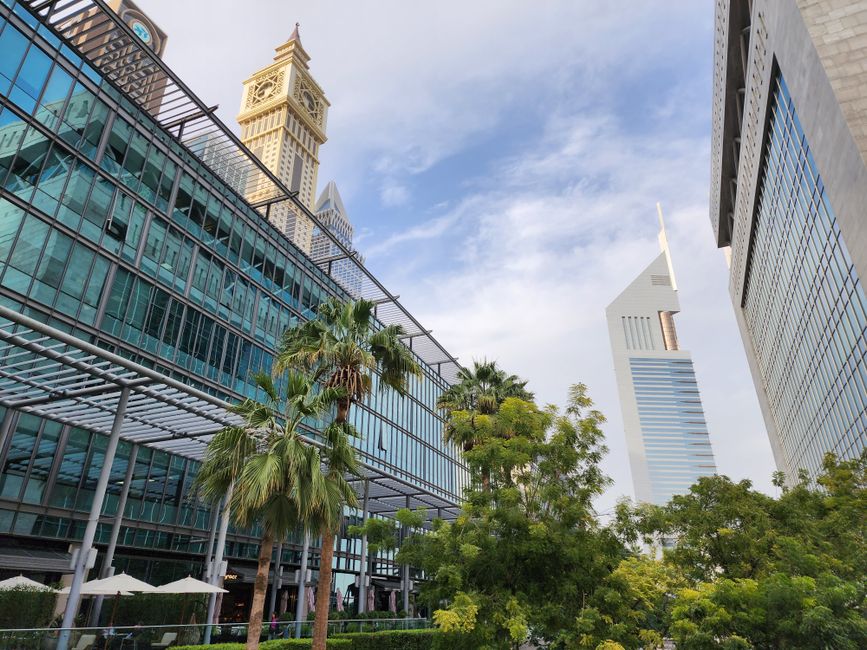
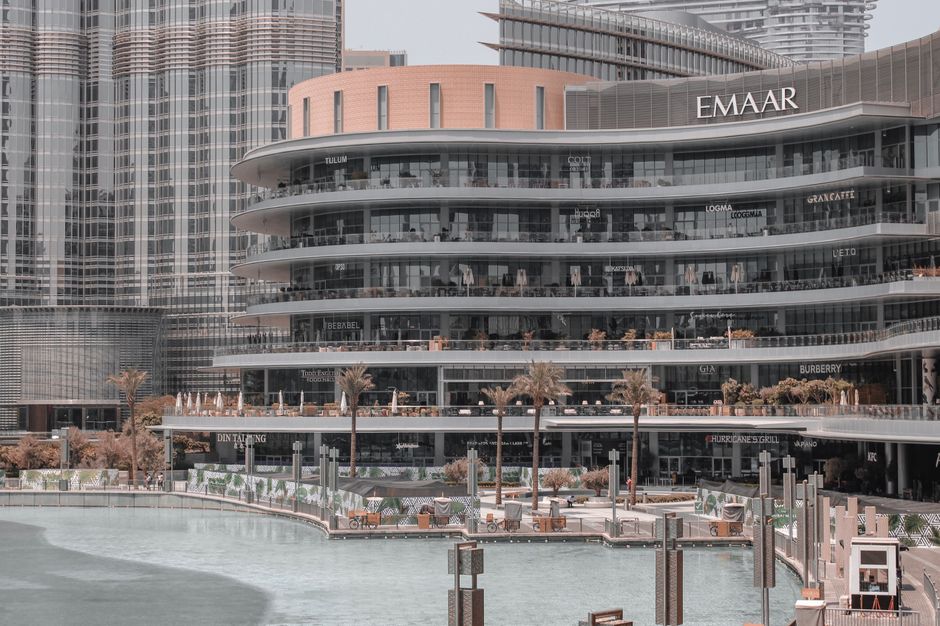
The commercial property landscape in Dubai is undergoing a fundamental shift, and the consequences for the job market are proving as significant as the vacancy rates themselves.
Over the past 18 months, demand for traditional long-term office leases in prime locations like Business Bay and Downtown Dubai has contracted noticeably. Major corporates that once locked in five-to-ten year agreements are now opting for flexible, modular workspace solutions—a trend that's fundamentally reshaping how employers compete for talent in this increasingly sophisticated market.
The numbers tell a compelling story. Average office rents across the Dubai International Financial Centre corridor have plateaued, with some landlords offering generous incentive packages to retain tenants. Simultaneously, serviced office operators and co-working providers are expanding aggressively. WeWork-style operators now occupy premium real estate from Jumeirah Lake Towers to Downtown Dubai, signalling a broader acceptance of non-traditional work arrangements among multinational firms.
This flexibility has become a recruitment tool. Financial services firms, tech companies, and consulting practices competing for scarce talent—particularly mid-to-senior level professionals—now use workspace autonomy as a key differentiator. The ability to offer employees a blend of office days, remote work, and flexible meeting space has become almost as important as salary in attracting experienced hires from international markets.
The talent implications are profound. Companies no longer need to commit to massive fixed costs in premium locations, which means they can redirect budgets toward competitive compensation packages and professional development programmes. For job seekers, this creates leverage: employers are essentially bidding against each other on working conditions and flexibility, not just salary alone.
Yet the shift presents challenges. Smaller firms and startups, traditionally priced out of Business Bay rents, now find that co-working spaces have democratised access to prestigious addresses. This has intensified competition for entry-level and mid-career talent. Employers can no longer rely on location prestige alone to retain staff.
HR consultants operating across Dubai report increasing queries about workplace design and flexibility policies. The days when a company's office footprint was simply a cost centre appear to have passed. It's now a strategic talent asset.
As the commercial property market continues its recalibration, Dubai's competitive position for global talent will increasingly depend not on square footage secured, but on how imaginatively companies use the spaces they occupy. The market that built itself on ambition and scale is learning that flexibility, too, is a form of boldness.
This article was compiled by AI from the sources linked above and screened before publishing. See our editorial standards.