Mid-Range Restaurants Dubai: The New Dining Boom
Discover why mid-range dining between AED 80–150 is booming in Dubai. Independent restaurants across Downtown and Jumeirah are outpacing ultra-luxury venues as diners prioritize authenticity.
Discover why mid-range dining between AED 80–150 is booming in Dubai. Independent restaurants across Downtown and Jumeirah are outpacing ultra-luxury venues as diners prioritize authenticity.
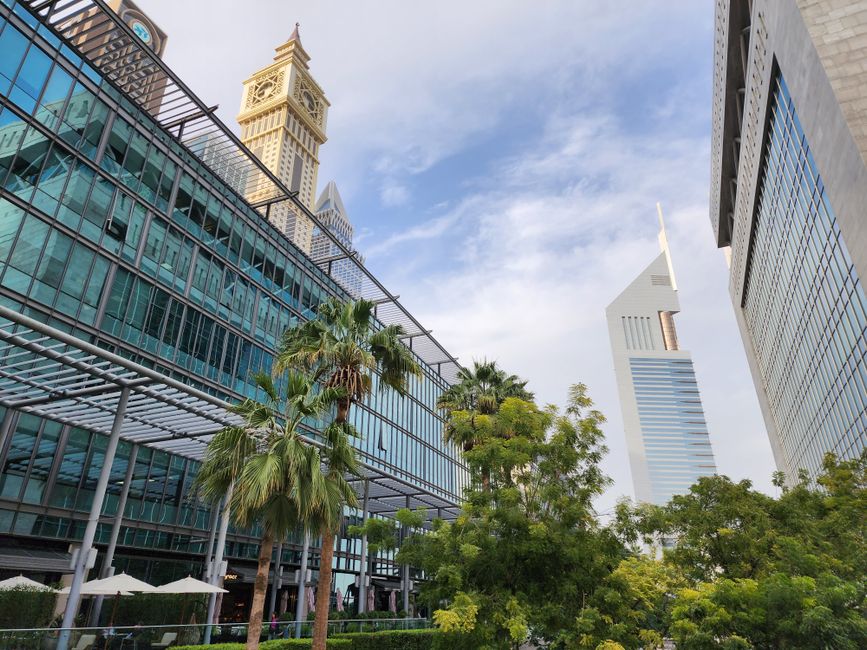
The Dubai dining landscape is undergoing a quiet but unmistakable realignment. While the Michelin-starred establishments along the Marina continue to command attention, a lucrative gap has opened in the mid-to-premium segment—and savvy operators are already profiting from it.
Data from hospitality consultancies tracking the emirate's F&B sector suggests that venues positioned between AED 80–150 per head are experiencing the strongest growth trajectory in 2026, outpacing both casual chains and ultra-fine dining. The shift reflects a broader consumer preference: diners increasingly value culinary narrative and ingredient quality over marble facades and celebrity chef pedigrees.
The beneficiaries are evident. Independent and emerging regional brands are expanding aggressively into Jumeirah, Al Wasl, and particularly Alserkal Avenue—the Arts District's cultural anchor—where creative kitchens and wine bars have become destination draws. These venues typically operate with healthier unit economics than their luxury counterparts, requiring less capital-intensive fit-outs while commanding strong pricing power.
One notable trend: the rapid proliferation of neighbourhood-anchored concepts in areas like Satwa and Deira. What was once overlooked as purely transactional hospitality—labour camps, budget retailers—is now being recast as authentic Dubai heritage, attracting both tourists and locals seeking genuine experiences. Several established hotel groups have launched standalone restaurant brands targeting this demographic, betting that the middle-income consumer now drives frequency and volume.
The retail component mirrors this pattern. Department store flagships are contracting, but smaller, curated shopping experiences—particularly in Souk Al Bahar's recently renovated sections and emerging pop-up districts—are thriving. Footfall data suggests that venues combining retail with F&B, or offering experiential elements (tastings, workshops, producer collaborations), achieve 25–30% higher dwell times than traditional retail-only formats.
Labour economics are also shifting. The mid-market segment requires skilled but not stratospheric-cost staff. This has drawn significant investment from hospitality training institutes and recruitment firms, creating a pipeline that favours operators who can scale without astronomical wage bills.
The opportunity is not unlimited. Competition is intensifying, particularly from regional players with lower cost bases. But operators who understand Dubai's demographic evolution—a maturing, more discerning consumer base—are positioning themselves well. The next 18 months will likely crystallize which entrants establish lasting brand equity and which prove to be trend chasers.
For investors and entrepreneurs watching the sector, the lesson is clear: the age of undifferentiated luxury is giving way to authentic experience at rational price points. In Dubai's hypercompetitive market, that's where the real returns are emerging.
This article was compiled by AI from the sources linked above and screened before publishing. See our editorial standards.
How does this story make you feel?
Spread the word
About this article
Published by The Daily Dubai
Daily brief
Free, in your inbox before 7am. Weekdays.
More in Business


