Dubai's Job Market Shifts: What Businesses Need to Know in Mid-2026
As hiring patterns evolve across sectors, companies operating in Dubai face new talent challenges and opportunities that demand strategic workforce planning.
As hiring patterns evolve across sectors, companies operating in Dubai face new talent challenges and opportunities that demand strategic workforce planning.
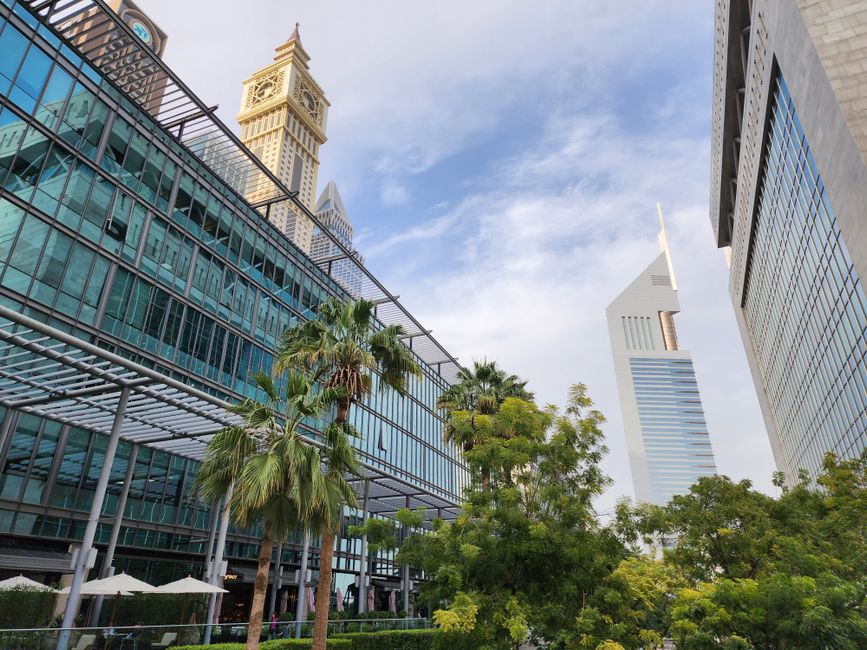
Dubai's employment landscape is entering a new phase this year, marked by sector-specific demand shifts and evolving worker expectations that are reshaping how businesses across the emirate approach recruitment and retention.
The most significant trend emerging from recent labour market data is the bifurcated demand pattern affecting companies clustered around Business Bay, Downtown Dubai, and the emerging tech hubs in Dubai Silicon Oasis. While traditional sectors like hospitality and retail continue to face staffing pressures—particularly in roles across the Ibn Battuta Mall precinct and hospitality venues along Sheikh Zayed Road—technology, renewable energy, and financial services are witnessing accelerated hiring momentum.
Professional services firms based in the DIFC (Dubai International Financial Centre) are notably increasing headcount as regional deal activity rebounds. Simultaneously, companies pivoting toward sustainability initiatives are aggressively recruiting talent with green credentials, a shift reflecting broader Middle Eastern economic repositioning. This creates a compressed talent pool in high-skill categories, driving salary expectations upward across engineering, data science, and digital marketing roles.
A secondary but critical trend involves remote and hybrid work normalisation. Many multinational operations headquartered in Dubai are now competing for talent across wider geographical zones—no longer confined to UAE residents. This has intensified wage competition for mid-to-senior positions, particularly in software development and project management. Companies that haven't adapted their compensation strategies face talent attrition risks.
The regulatory environment is also shifting. Recent emphasis on Emiratisation targets means businesses must demonstrate concrete progress in recruiting and developing Emirati talent or risk compliance complications. This particularly affects companies in Marina, JBR, and other high-density commercial zones where foreign workforce concentration has traditionally been highest.
For businesses operating across Dubai's diverse economy, several immediate actions warrant priority. First, audit current compensation against market rates—salary stagnation is now a documented driver of departures. Second, invest in employer branding, particularly through digital channels, as traditional recruitment methods increasingly underperform. Third, develop clear Emiratisation pathways aligned with regulatory expectations while genuinely creating advancement opportunities.
Perhaps most importantly, businesses should assess flexibility in work arrangements. The expectation of hybrid options has become baseline rather than premium benefit, especially among younger talent pools critical to sustained growth.
The market isn't contracting—it's recalibrating. Companies that view this transition as a strategic recalibration opportunity rather than a challenge will emerge better positioned as Dubai's economy continues its sectoral evolution through 2026.
This article was compiled by AI from the sources linked above and screened before publishing. See our editorial standards.
How does this story make you feel?
Spread the word
About this article
Published by The Daily Dubai
Daily brief
Free, in your inbox before 7am. Weekdays.
More in Business


