Dubai's Innovation Districts Are Rewriting the Job Market Rulebook
As tech hubs sprawl across the emirate, traditional career paths are fracturing and a new breed of talent competition is reshaping how companies hire.
As tech hubs sprawl across the emirate, traditional career paths are fracturing and a new breed of talent competition is reshaping how companies hire.
The transformation is unmistakable on the streets around Dubai Silicon Oasis and along the Sheikh Zayed Road corridor. Where once the emirate's job market revolved almost entirely around oil, real estate, and finance, a sprawling ecosystem of innovation districts is now competing fiercely for the same pool of engineering talent, product managers, and software developers.
This shift is fundamentally altering hiring practices across Dubai. Startups clustering in areas like DTEC (Dubai Technology and Free Zone Establishment) in Jebel Ali and the growing nexus of companies in Al Baraka are no longer simply recruiting from traditional talent pools. They're actively poaching from each other, offering equity packages, flexible working arrangements, and career trajectories that established corporations historically monopolised. Salaries for mid-level software engineers in these zones have climbed roughly 18-22 per cent over the past two years, according to recruitment specialists tracking the sector.
The numbers tell a story of structural change. Dubai's startup ecosystem now hosts over 4,000 registered tech ventures, up from around 2,100 in 2020. With the emirate targeting 1 million new residents by 2030, competition for skilled workers has intensified dramatically. Companies are expanding their hiring radius beyond traditional expatriate pipelines, actively recruiting from Pakistan, India, Eastern Europe, and increasingly, from within the region itself.
But this boom has created unexpected friction. Established employers—banks headquartered on Sheikh Zayed Road, major construction firms in Business Bay—are struggling to retain mid-career professionals lured by startup promises of rapid advancement and ownership stakes. HR directors report turnover rates among technical staff have doubled in some sectors.
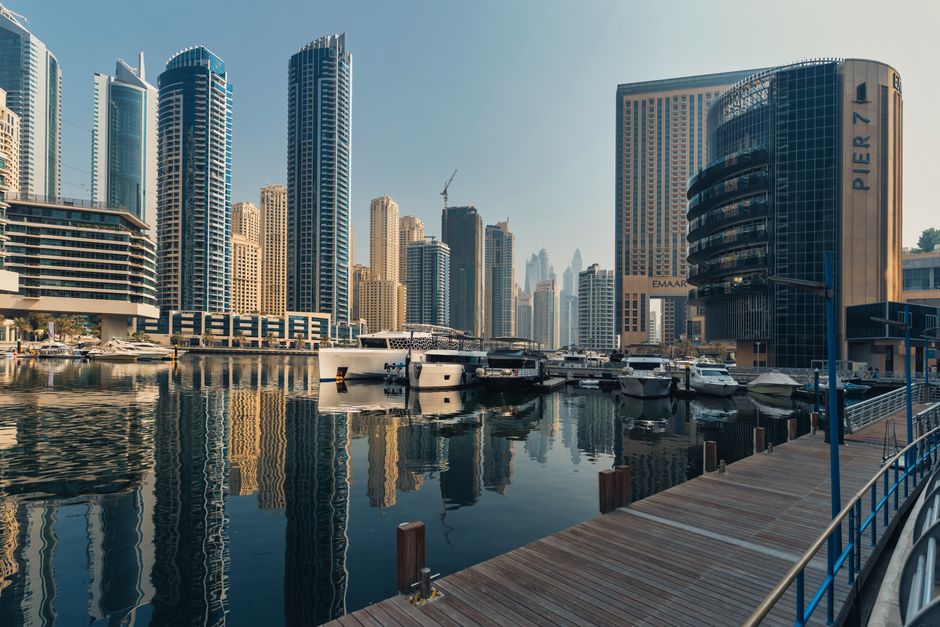
The knock-on effects ripple across the emirate's service economy too. Office landlords are fragmenting their portfolios to accommodate smaller startups; co-working spaces from Dubai Marina to Downtown have become de facto recruitment grounds. Educational institutions are scrambling to align curricula with emerging skills demands in AI, blockchain, and sustainable technology.
Perhaps most significantly, the traditional hierarchy of Dubai employment—where nationality and sponsorship status heavily determined opportunity—is gradually loosening. Merit-based hiring is becoming more common in tech roles, though significant disparities remain. This represents a genuine departure from how the emirate's labour market functioned for decades.
As innovation districts mature, they're reshaping not just where people work, but how they're valued. For Dubai's ambitions as a global tech hub to materialise, sustaining this talent competition while maintaining livability will prove crucial.
This article was compiled by AI from the sources linked above and screened before publishing. See our editorial standards.
How does this story make you feel?
Spread the word
About this article
Published by The Daily Dubai
Daily brief
Free, in your inbox before 7am. Weekdays.
More in Business