What Dubai's Job Market Numbers Really Tell Us About Investment Flows
Understanding the economic signals behind hiring trends and capital movement reveals where Dubai's economy is genuinely headed.
Understanding the economic signals behind hiring trends and capital movement reveals where Dubai's economy is genuinely headed.
Dubai's employment landscape offers a clear window into broader investment patterns reshaping the emirate's economy. Recent data points suggest a decisive shift from construction-heavy hiring toward technology and financial services—a pivot worth understanding for anyone tracking regional economic health.
The numbers are instructive. Dubai's unemployment rate has held steady around 1.8 percent, among the lowest globally, yet recruitment activity tells a more nuanced story. Job postings in fintech and digital services have grown 34 percent year-on-year, according to regional labour market analysis, while traditional real estate development roles have plateaued. This rebalancing reflects where international capital is flowing: away from property-driven development and toward knowledge economy sectors.
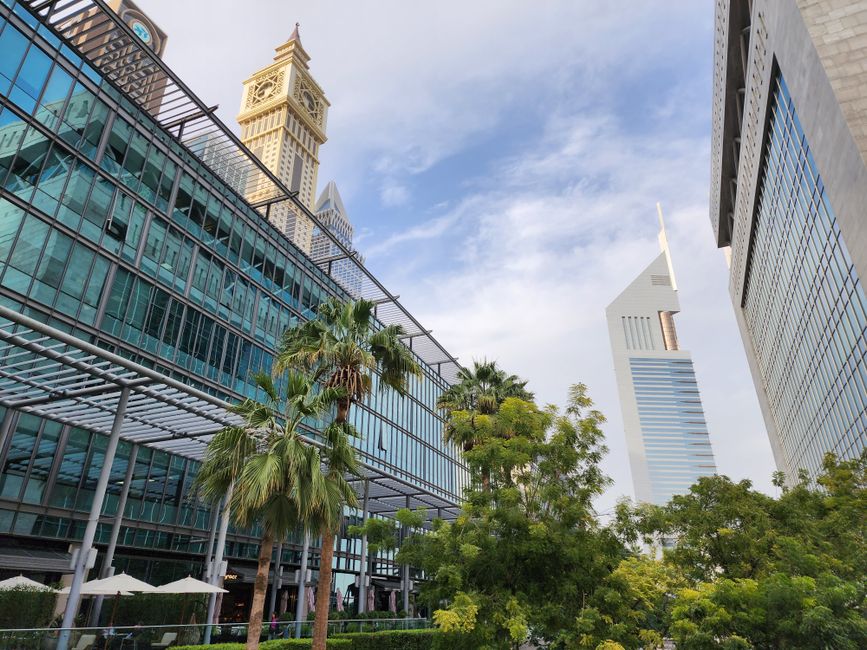
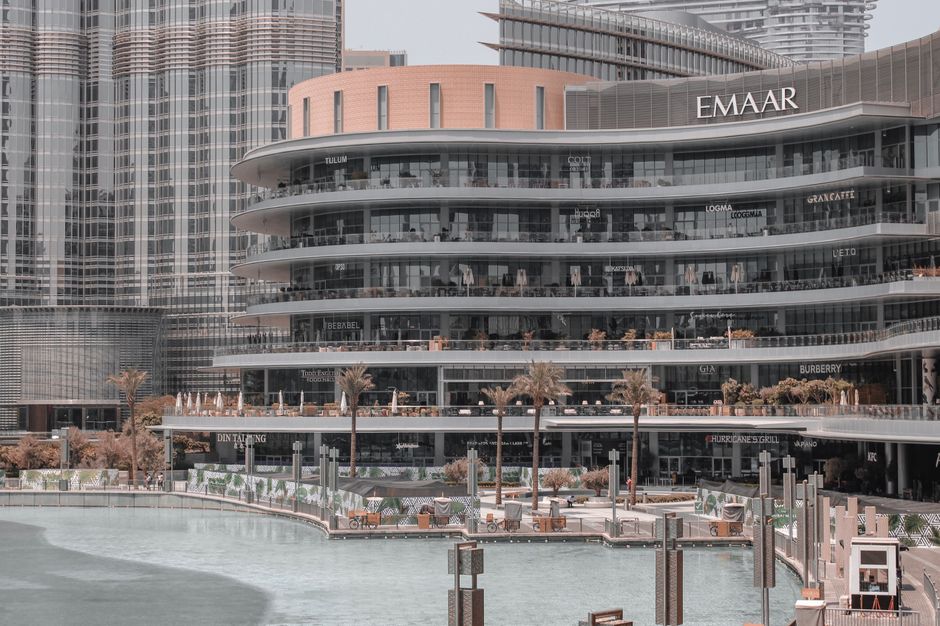
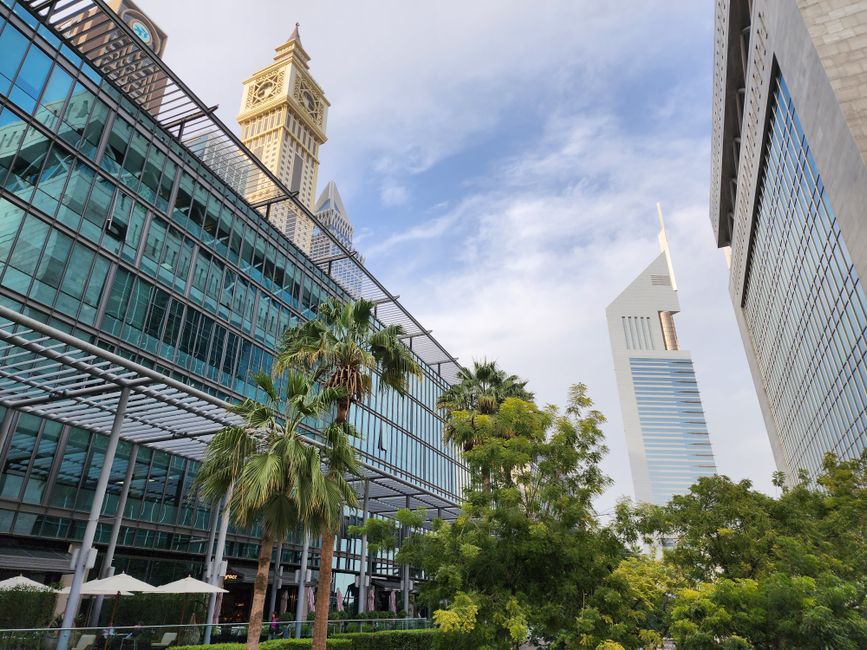
Consider what's happening on the ground. The Dubai International Financial Centre (DIFC) in Downtown Dubai continues to attract global banks and asset managers, with headcount growth outpacing the broader economy. Meanwhile, companies relocating administrative hubs from London and Singapore are expanding operations across Business Bay and JLT. These moves signal investor confidence in Dubai's regulatory framework and tax advantages, translating into tangible hiring.
Salary trends reinforce this picture. Entry-level positions in fintech and cybersecurity now command 18-22 percent premiums over comparable roles five years ago, reflecting genuine talent scarcity and sustained investment. By contrast, hospitality and retail wages have remained compressed—suggesting slower capital allocation in those sectors despite tourism recovery.
Foreign direct investment flows validate these employment signals. Tech-focused venture capital into Dubai startups reached $847 million in 2025, nearly triple the 2021 figure. This capital doesn't simply sit idle; it transforms into salaries, office leases in Marina or Downtown, and downstream spending across the economy. When venture funds commit to Dubai-based founders, they're essentially betting on the city's ability to retain skilled talent and sustain ecosystem growth.
Government policy has amplified these trends. The long-term visa framework introduced in 2020, now fully embedded, has enabled companies to plan workforce expansion beyond quarterly cycles. Remote work policies, while less visible, have attracted talent from across Asia and the Middle East who previously wouldn't consider relocation.
The emerging challenge lies in skills mismatch. While job creation accelerates in tech roles, local talent often lacks specialised credentials, forcing employers to sponsor international hires. This dynamic—strong investment flows meeting recruitment friction—typically triggers wage pressures and cost-of-living concerns, dynamics visible in current housing market data.
The headline: Dubai's job market isn't simply growing. It's restructuring toward sectors with higher capital velocity and profit margins. Investment flows are voting decisively for the knowledge economy. Those monitoring Dubai's trajectory should watch employment data not as an end point, but as a leading indicator of capital reallocation still underway.
This article was compiled by AI from the sources linked above and screened before publishing. See our editorial standards.
How does this story make you feel?
Spread the word
About this article
Published by The Daily Dubai
Daily brief
Free, in your inbox before 7am. Weekdays.
More in Business