As Global Tensions Mount, Dubai's Tourism Engine Faces Headwinds From Geopolitical Uncertainty
Rising instability across key source markets threatens the visitor numbers and spending that fuel the emirate's hospitality and retail sectors.
Rising instability across key source markets threatens the visitor numbers and spending that fuel the emirate's hospitality and retail sectors.
Dubai's tourism machinery has long thrived on predictability. International visitors arrive knowing what to expect: world-class infrastructure, year-round sunshine, and a business-friendly environment. But as geopolitical tensions simmer across traditional source markets, hospitality operators and retail businesses along Sheikh Zayed Road and throughout Downtown are watching global headlines with growing concern.
The uptick in regional instability—from Pakistan-Afghanistan border clashes to renewed U.S.-Iran diplomatic manoeuvring—arrives at a delicate moment for Dubai's visitor economy. While the emirate welcomed 14.9 million international visitors in 2024, according to Dubai Statistics Centre, maintaining that trajectory requires stable conditions in feeder markets including Iran, Pakistan, and broader Gulf markets.
"We're seeing cautious sentiment among corporate travel bookers," explains a spokesperson for a major hotel group operating properties in DIFC and Business Bay. "Clients in certain regions are deferring meetings and extending decision timelines. It affects everything from room occupancy to F&B revenues."
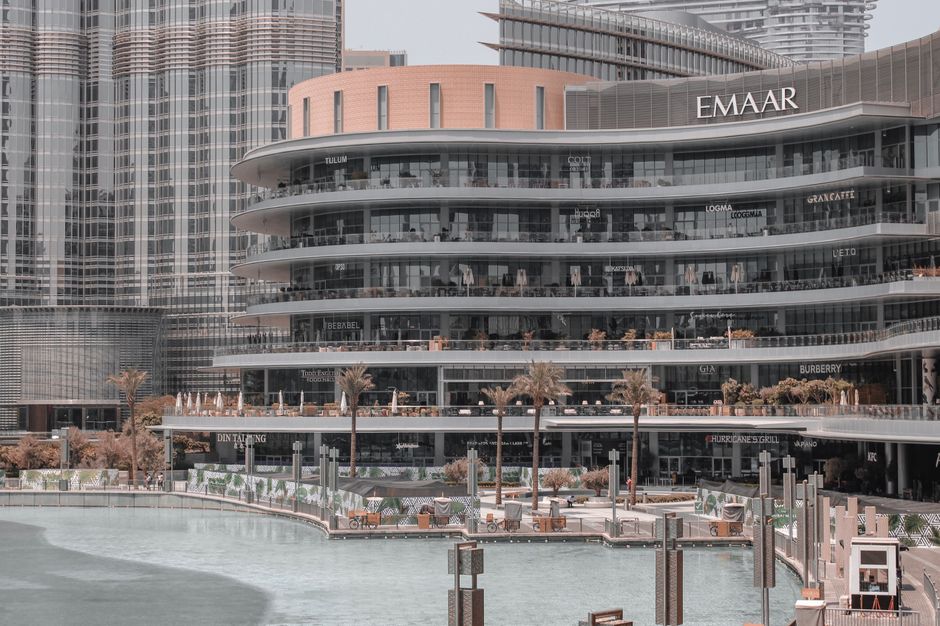
The pressure extends beyond hotels. Retail destinations like the Dubai Mall and Gold Souk in Deira, traditionally reliant on regional visitors and expatriate families conducting business travel, are monitoring booking patterns closely. Tourism and shopping collectively represent approximately 11 percent of Dubai's GDP, according to recent government data, making visitor sentiment a genuine economic indicator.
Airlines operating from Dubai International Airport and Al Maktoum International have already adjusted capacity on certain routes, citing demand uncertainty rather than operational constraints. For ground handlers, tour operators, and the broader supply chain supporting tourism, these decisions cascade into scheduling challenges and margin pressure.
What distinguishes Dubai's current situation is the emirate's diversification strategy. Unlike previous economic cycles, tourism no longer dominates the growth narrative. Real estate development, financial services, and logistics have broadened the economic base. Yet tourism's multiplier effect remains significant—visitor spending drives retail sales, hotel revenues, and restaurant traffic that employ thousands across hospitality and service sectors.
Industry observers note that Dubai's positioning as a neutral business hub—historically attractive precisely because regional tensions elsewhere disrupted travel—becomes paradoxically vulnerable when global instability makes visitors themselves hesitant to travel. Meetings that might have relocated to Dubai during Middle East crises now proceed virtually or face postponement.
The near-term outlook hinges on whether current geopolitical friction proves cyclical or structural. For Dubai's hospitality sector and the small businesses depending on tourist foot traffic, that distinction will determine whether 2026 closes as a consolidation year or the beginning of a broader slowdown.
This article was compiled by AI from the sources linked above and screened before publishing. See our editorial standards.
How does this story make you feel?
Spread the word
About this article
Published by The Daily Dubai
Daily brief
Free, in your inbox before 7am. Weekdays.
More in Business