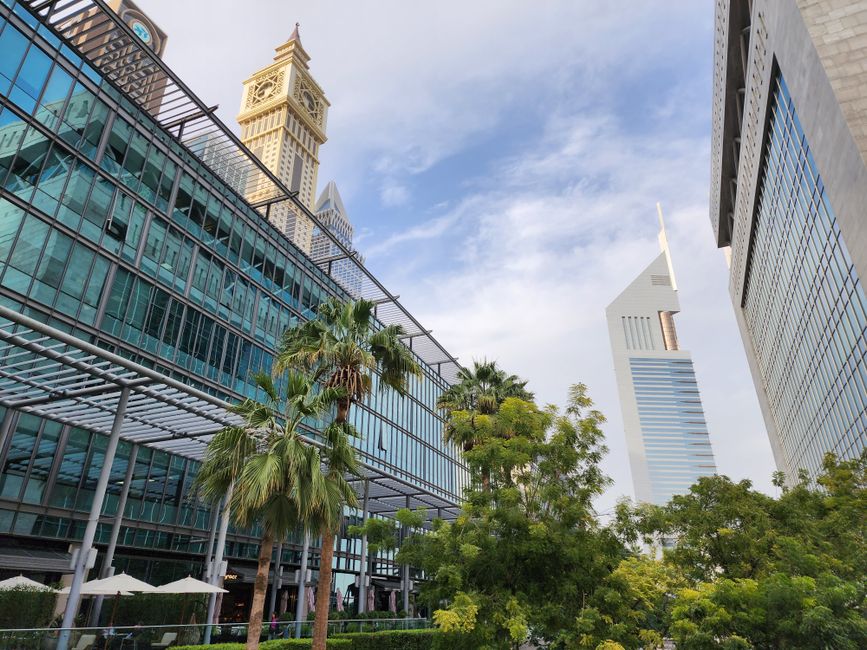
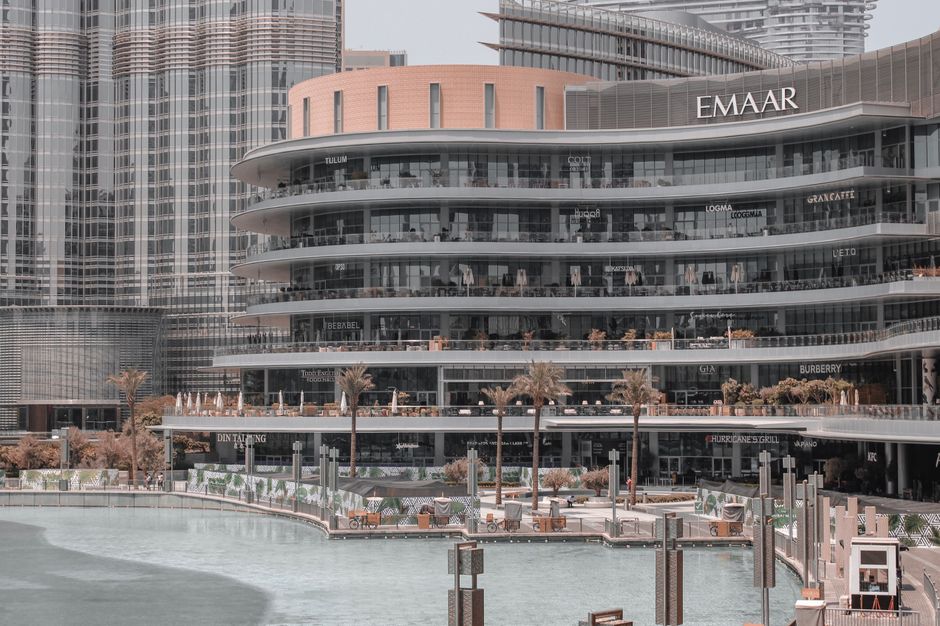
Walk through Al Wasl Plaza on a Tuesday afternoon, and you'll see a thriving ecosystem of independent cafés, boutiques, and service providers. But behind the polished storefronts and carefully curated Instagram backdrops lies a quieter reality that should matter to anyone living in Dubai: small business owners are caught in a squeeze that's reshaping the retail landscape.
Recent commercial property data shows that retail rents in central locations like Al Wasl, Jumeirah, and the DIFC periphery have climbed between 8 and 12 per cent annually over the past 18 months. A modest 300-square-metre shopfront that cost AED 10,000 monthly three years ago now runs closer to AED 13,500. For a café owner working on typical hospitality margins of 15 to 20 per cent, that translates directly to higher menu prices.
This matters because small businesses are the backbone of Dubai's day-to-day consumer experience. They're the neighbourhood coffee roasters, the independent tailors on Satwa Street, the wellness studios in Wasl Square, and the family-run restaurants where residents actually spend their disposable income. Unlike major chains that can absorb cost increases through scale, these operators must make hard choices: raise prices, reduce staff hours, shrink portion sizes, or relocate to less expensive areas like Deira or Bur Dubai.
Many are choosing the latter. Several established independent retailers have quietly shifted operations to emerging zones, following Dubai's economic gravitational pull outward. The move saves rent but often means reduced foot traffic and less convenient access for customers who preferred the proximity and walkability of established neighbourhoods.
What everyday residents need to understand is this: when your regular barista disappears or your favourite lunch spot suddenly feels pricier, it's not always about inflation or greed. It's frequently a symptom of real estate economics that most of us never see. A small business owner paying AED 500,000 annually in rent is fundamentally different from one paying AED 150,000 in a secondary location. That difference usually shows up in your till receipt.
The silver lining? Some entrepreneurs are adapting creatively—moving to co-working retail spaces, reducing hours to match demand, or pivoting to delivery-first models. Others are banking on Dubai's continued growth attracting new, younger consumers with different priorities.
For residents, the takeaway is simple: support independent businesses intentionally. The ecosystem you enjoy today depends on owners making tight margins work. Your choice of where to spend matters more than ever.
This article was compiled by AI from the sources linked above and screened before publishing. See our editorial standards.