Africa's Trade Boom Opens New Doors for Dubai's Middle ...
As continental commerce accelerates, early movers in the Business Bay and Al Baraka are already capturing outsized returns.
As continental commerce accelerates, early movers in the Business Bay and Al Baraka are already capturing outsized returns.
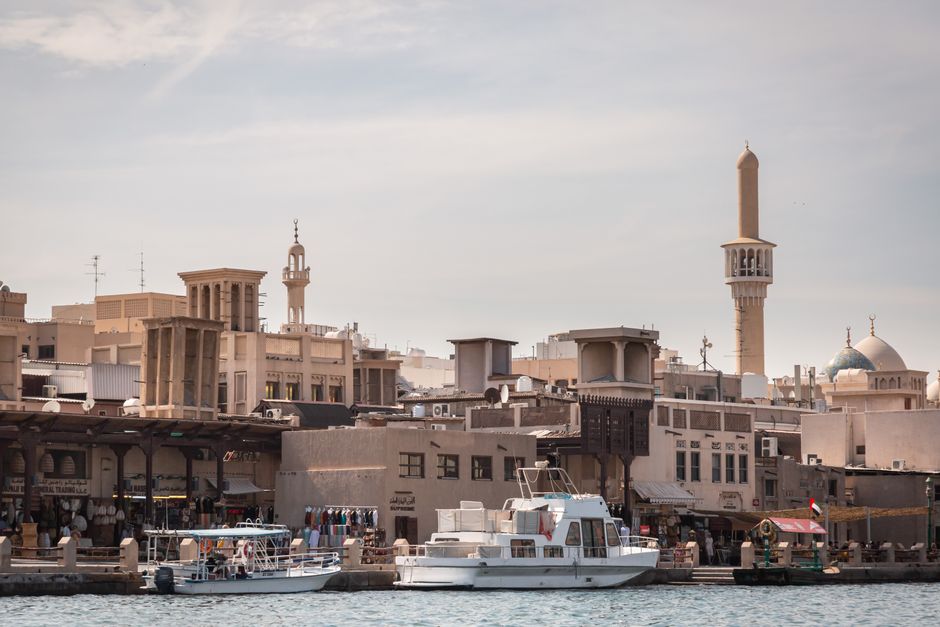
Dubai's position as a global trade nexus is entering a new chapter, with African commerce emerging as the decade's most significant untapped opportunity for regional operators. The shift reflects broader geopolitical recalibration and represents a tangible wealth creation moment for businesses already positioned to capitalise on it.
The numbers tell a compelling story. African intra-continental trade, facilitated partly through Gulf intermediaries, has grown at roughly 12 per cent annually since 2023, according to trade facilitation analysts. For Dubai's logistics and trading communities—concentrated along Sheikh Zayed Road and in the sprawling warehouse districts of Jebel Ali—this translates to immediate commercial advantage.
"We're seeing unprecedented demand for consolidation and re-export services," explains the operations environment at major freight forwarders now managing corridors that barely existed five years ago. A standard 20-foot container moving through Jebel Ali port to sub-Saharan markets now commands premium pricing, with turnaround times that premium shippers willingly pay for. Port authorities have responded; container volumes on African routes have increased approximately 23 per cent year-on-year.
The beneficiaries are already visible. Trading houses clustered in Business Bay's commercial towers are establishing Africa-focused desks faster than they can hire staff. Import-export licensing applications filed at the Department of Economic Development in Deira show a marked uptick in applications citing African destinations, with particular concentration in West and Southern African markets. One mid-sized enterprise in the Al Khaleej Al Arabi Street corridor reports that African trade now represents 34 per cent of their revenue, up from 11 per cent in 2022.
Smaller players are also moving quickly. Customs brokers operating from modest offices in Naif and Deira are negotiating direct relationships with port authorities in Lagos, Tema, and Dar es Salaam, establishing themselves as trusted local intermediaries. The margins on this emerging infrastructure play remain substantial for early entrants.
What's driving the shift? A combination of factors: African currencies strengthening against major reserves, reduced geopolitical friction in key maritime corridors, and simply the demographic reality that 1.4 billion consumers represent the planet's most underserved market. Dubai's historical role as a neutral, efficient trading platform suddenly carries renewed strategic weight.
The window for capturing disproportionate gains remains open, but narrowing. Established logistics conglomerates and international trading houses are deploying capital aggressively. For Dubai-based operators with existing supply chain infrastructure and regional relationships, the next 18 months represent a critical window to consolidate advantage before competition intensifies. Those who've already moved are already winning.
This article was compiled by AI and screened before publishing. See our editorial standards.
How does this story make you feel?
Spread the word
About this article
Published by The Daily Dubai
Daily brief
Free, in your inbox before 7am. Weekdays.
More in Business


