Dubai's business landscape has always thrived on being a crossroads. Yet the past eighteen months have tested this advantage in ways the emirate hasn't fully anticipated. As international trade routes recalibrate—driven by regional tensions, sanctions complexity, and strategic realignments—the city's employers are facing an unfamiliar challenge: finding the right talent to navigate an increasingly fragmented global economy.
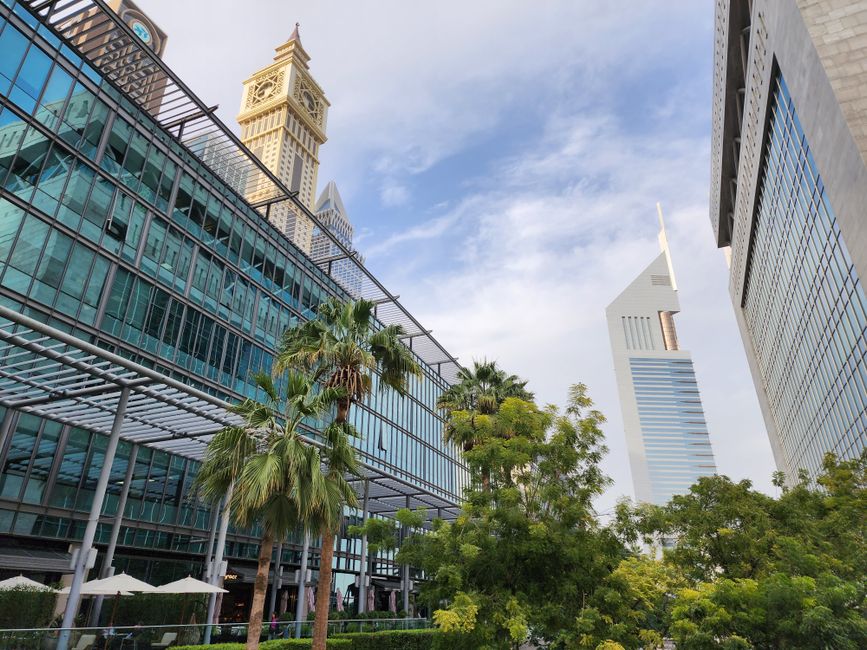
The shift is evident across the business districts. In Downtown Dubai and along Sheikh Zayed Road, multinational firms are urgently recruiting specialists in trade compliance, supply chain diversification, and emerging market analysis. A Dubai Chamber of Commerce report released earlier this year noted that 67 percent of trading companies surveyed had expanded their hiring for roles focused on alternative trade routing and regulatory expertise—positions that barely existed five years ago.
"We're seeing demand spike for people who understand sanctions frameworks, geopolitical risk, and how to operate across non-traditional corridors," says a senior recruiter based in the DIFC, Dubai's financial hub. The emirate's location—positioned between volatile geopolitical actors and stable Western markets—has made such expertise suddenly invaluable. Yet the local talent pool remains shallow. Many specialized professionals prefer established financial centres or are increasingly drawn to emerging hubs like Riyadh or Abu Dhabi, where sovereign wealth funds are investing aggressively in trade infrastructure.
The competition for talent extends beyond finance. Logistics companies operating from Jebel Ali Port and the surrounding Deira warehousing district are offering 15-25 percent salary premiums to attract experienced supply chain managers capable of optimizing routes that avoid traditional choke points. Meanwhile, tech firms in Dubai Silicon Oasis are hunting for engineers and data analysts who can build prediction models for trade volatility—another niche skill set that requires expensive global recruitment.
This talent crunch is reshaping Dubai's business culture. Employers are investing more heavily in continuous learning programmes and reskilling initiatives. Several large trading houses have established partnerships with universities in Canada and Singapore to create pipeline agreements, essentially pre-recruiting talent before they graduate.
The challenge cuts deeper than mere headcount. Young Emiratis entering the workforce face a genuinely different job market than their predecessors. Rather than generalist roles in established trade lanes, opportunities now cluster around resilience, adaptation, and geopolitical literacy. For Dubai to maintain its commercial relevance, the city must accelerate workforce development—or risk becoming a hub where global capital flows through, but crucial decisions are made elsewhere.
This article was compiled by AI from the sources linked above and screened before publishing. See our editorial standards.